Interview: Why ADHD Is Diagnosed So Late in Women
It often starts with a quiet, creeping suspicion. You’re in your thirties, forties, or even fifties, a master of juggling a career, a family, and a semblance of a social life, yet you feel like you’re
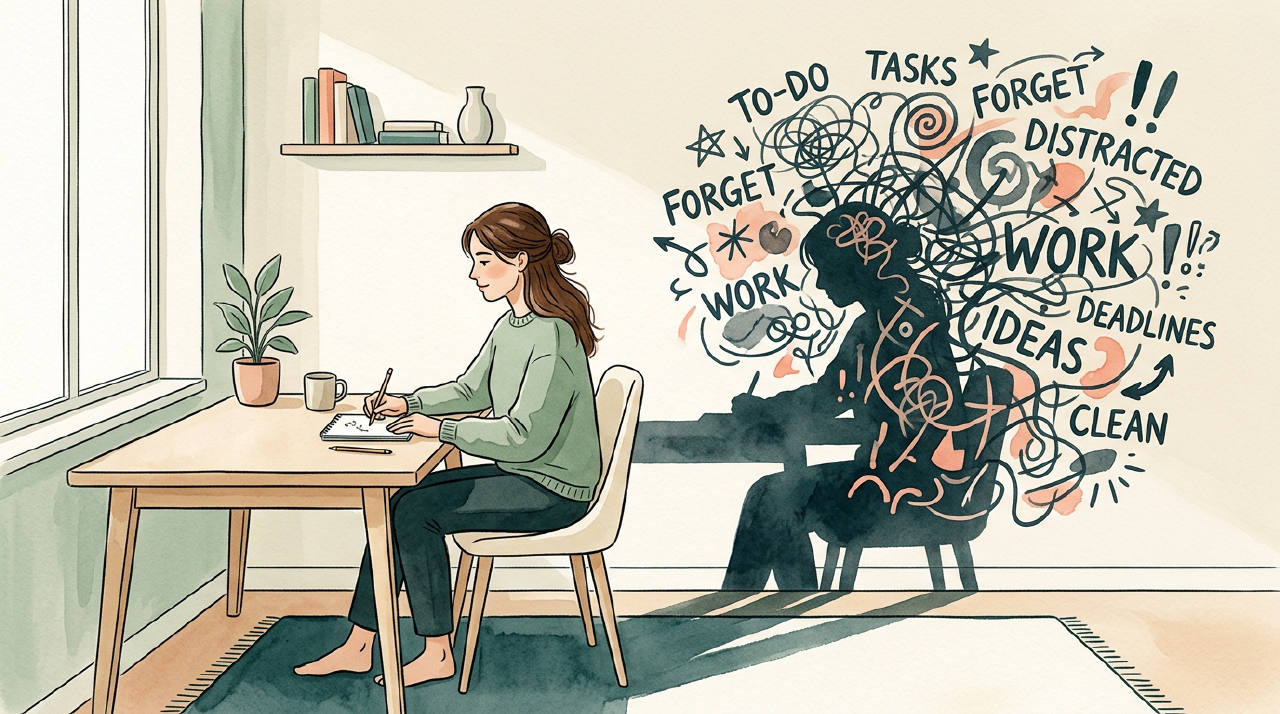
It often starts with a quiet, creeping suspicion. You’re in your thirties, forties, or even fifties, a master of juggling a career, a family, and a semblance of a social life, yet you feel like you’re constantly one dropped ball away from total chaos. You misplace your keys, again. You zone out in an important meeting, again. You feel a surge of overwhelming frustration trying to start a simple task, again. You’ve been called “sensitive,” “spacey,” or “lazy” your whole life and have internalized these labels as character flaws. Then, one day, you stumble upon a social media post, an article, or a friend’s story about Attention-Deficit/Hyperactivity Disorder (ADHD) in adult women, and the words on the screen feel less like a description and more like a biography. This “aha!” moment is becoming increasingly common, as a generation of women discovers that the root of their lifelong struggles might not be a personal failing, but a misunderstood and misdiagnosed neurological condition.
To understand why this is happening now, and what it means for the millions of women who feel seen for the first time, we sat down with Dr. Elena Vance, a composite expert representing the collective wisdom of leading clinical psychologists and researchers in the field. With over two decades of experience specializing in neurodiversity and women's mental health, Dr. Vance helps us unravel the complex tapestry of why ADHD in women has remained hidden in plain sight for so long.
The Hidden Experience: ADHD in Adult Women
The current discourse around ADHD is shifting dramatically. What was once considered a childhood disorder primarily affecting hyperactive boys is now being recognized as a lifelong condition that impacts people of all genders. For women, this recognition is long overdue. Many have spent decades navigating life with undiagnosed ADHD, developing intricate (and exhausting) coping mechanisms to mask their symptoms. They’ve been misdiagnosed with anxiety, depression, or bipolar disorder, treated for the symptoms but never the root cause. Now, as awareness grows, they are finally finding the language and the validation to understand their own minds.
An Interview with Dr. Elena Vance
We spoke with Dr. Vance to get an evidence-based perspective on this phenomenon, exploring the history, symptoms, and pathways to support for women with ADHD.
Why are so many women getting an ADHD diagnosis later in life?
The primary reason is a deep-seated historical bias in medical research and diagnostic criteria. For decades, the archetypal ADHD patient was a young, disruptive boy who couldn't sit still in a classroom. The foundational studies, and consequently the Diagnostic and Statistical Manual of Mental Disorders (DSM), were built around this externalizing, hyperactive presentation. Girls, who tend to present with less disruptive, more internalized symptoms, were simply missed. They weren't causing problems for anyone but themselves, so their struggles were overlooked by parents, teachers, and even clinicians. We are now playing a long-overdue game of catch-up, recognizing and validating a presentation that has always been there, just hidden from view.
How does ADHD presentation typically differ between girls and boys?
The difference often comes down to internalizing versus externalizing symptoms. While there is overlap and everyone’s experience is unique, we see some very common patterns. Boys are more likely to display the classic hyperactive-impulsive symptoms that are visible and disruptive. Girls, on the other hand, are more likely to have the inattentive presentation. Their "hyperactivity" is often internal—a brain that won’t shut off, racing thoughts, or a constant internal monologue. They learn from a young age to suppress their impulses to fit social expectations for girls, a phenomenon we call "masking."
Here’s a simplified comparison of those classic childhood presentations:
| Common Presentation in Boys (Externalizing) | Common Presentation in Women (Internalizing) |
|---|---|
| Physical hyperactivity (fidgeting, running) | Mental hyperactivity (racing thoughts, rumination) |
| Impulsive outbursts, interrupting others | People-pleasing, holding back true thoughts |
| Disruptive behavior in class | Daydreaming, appearing "spacey" or distracted |
| Difficulty waiting their turn | Extreme emotional sensitivity, shyness |
| Seen as a "behavior problem" | Seen as "anxious," "ditzy," or "a chatterbox" |
Because a girl’s symptoms are less disruptive to others, they are often misinterpreted as personality traits rather than signs of a neurological condition.
What are the long-term consequences of a missed diagnosis in childhood?
The consequences are profound and can permeate every aspect of a woman's life. When you grow up not understanding why simple things feel so hard for you, you develop a narrative that you are fundamentally flawed. This often leads to a cascade of challenges:
- Co-occurring Mental Health Conditions: Undiagnosed ADHD is a significant risk factor for developing anxiety disorders, major depression, eating disorders, and substance use issues. These are often the "louder" conditions that get diagnosed first, while the underlying ADHD remains hidden.
- Low Self-Esteem: A lifetime of being told you’re “not living up to your potential,” or feeling like you’re lazy or incompetent, erodes your sense of self-worth.
- Chronic Burnout: The sheer effort required to function in a world not built for your brain is exhausting. Women with undiagnosed ADHD often feel perpetually burnt out from the effort of masking and compensating.
- Relationship and Career Instability: Challenges with emotional regulation, perceived rejection, and executive functions can make it difficult to maintain stable relationships and career paths.
It's a heavy burden to carry, and the diagnosis often brings an incredible sense of relief—a re-framing of a lifetime of struggle.
You mentioned "masking." Can you explain what that is and how it affects women?
Masking, or camouflaging, is a set of coping strategies used (often subconsciously) to hide ADHD symptoms and appear "neurotypical." It's a survival mechanism driven by a desire to fit in and avoid rejection or criticism. For women, who are often socialized to be agreeable and accommodating, masking can become second nature.
Examples of masking include:
- Perfectionism: Over-compensating for a fear of making mistakes by spending excessive time and energy on tasks.
- Scripting conversations: Mentally rehearsing what you're going to say in social situations to avoid blurting something out impulsively.
- Mimicking: Watching and copying the social behaviors and organizational systems of others.
- Excessive planning: Using complex systems of lists, calendars, and reminders to stay on top of responsibilities, often to the point of rigidity and anxiety.
While these strategies can be effective, they come at an immense cost. Masking requires a constant, draining cognitive effort. It’s like running a complex piece of software in the background of your brain at all times. This is a primary reason why so many women with ADHD report feeling chronically exhausted and overwhelmed. 🌱
"For so many women, the diagnosis is a moment of profound grace. It’s the first time they can look back at their life—the struggles, the self-blame, the feeling of being 'too much' or 'not enough'—and see it not as a story of personal failure, but as a story of resilience in the face of an invisible challenge."
The "Aha!" Moment: Recognizing the Signs in Adulthood
For many women, the path to diagnosis begins with learning about the less-obvious signs of ADHD. These aren’t the stereotypical symptoms of a child bouncing off the walls, but the nuanced, internal experiences that characterize the inattentive presentation, especially in adults.

What are some common, but often overlooked, signs of inattentive ADHD in adult women?
Beyond the textbook "can't pay attention," the signs are much more subtle and pervasive. Many women I see in my practice resonate deeply with these experiences:
- Time Blindness: A chronic difficulty perceiving the passage of time. This isn’t just being late; it’s consistently under- or over-estimating how long tasks will take, making planning incredibly difficult.
- Object Impermanence: The "out of sight, out of mind" phenomenon in a very literal sense. If something (a bill, a project, an item) isn't directly in your line of sight, it may as well not exist. This contributes to messiness and disorganization.
- Rejection Sensitive Dysphoria (RSD): This isn't an official diagnosis, but it’s a very real experience for many with ADHD. It's an extreme emotional sensitivity and pain triggered by the perception of being rejected, teased, or criticized. It can feel like a sudden, overwhelming physical blow.
- Task Paralysis: The intense feeling of being overwhelmed by a task to the point where you can't start it, even if it’s simple or urgent. Your brain knows what to do, but the "doing" mechanism just won't engage.
- Hyperfocus: The flip side of inattention. It's the ability to get into a state of intense, prolonged concentration on something you find interesting, often losing track of time, hunger, and other responsibilities. 💡
- Emotional Dysregulation: Difficulty managing the intensity and duration of emotional responses. This can look like sudden flashes of anger, frustration, or overwhelming sadness that seem disproportionate to the situation.
- Pervasive Feelings of "Overwhelm": A constant background hum of being overwhelmed by the demands of daily life—managing a household, responding to emails, running errands—that seem to come easily to others.
Hormones and ADHD: A Complicated Relationship
One of the most critical and under-discussed factors in the late diagnosis of women is the powerful interplay between ADHD symptoms and hormonal fluctuations throughout their lives. This is often the key that unlocks why coping mechanisms suddenly stop working.
How do hormones, like during the menstrual cycle or perimenopause, interact with ADHD symptoms?
This is a huge piece of the puzzle. The neurotransmitter dopamine is a key player in ADHD; it’s essential for focus, motivation, and executive function. The hormone estrogen acts as a modulator for dopamine. When estrogen levels are high, it can boost dopamine and help manage ADHD symptoms. When estrogen levels drop, ADHD symptoms can flare up dramatically.
We see this across a woman's life:
- Puberty: The onset of hormonal cycles can be a time when symptoms first become more noticeable.
- Monthly Cycle: Many women report a significant worsening of their ADHD symptoms—brain fog, irritability, inattention—in the week or two before their period, when estrogen plummets.
- Post-Partum: The dramatic drop in hormones after childbirth can be a major trigger for worsening symptoms.
- Perimenopause and Menopause: This is a huge one. As estrogen levels become lower and more erratic during this transition, many women find their lifelong coping strategies completely fail them. The brain fog, memory lapses, and emotional dysregulation of perimenopause can feel identical to, and massively amplify, underlying ADHD. This is often the breaking point that finally leads women in their 40s and 50s to seek a diagnosis. 📊
Here’s a simple visual of how estrogen levels can impact ADHD symptom severity:
Symptom Severity & Estrogen Levels

High Estrogen (e.g., Ovulation)
  |
  |    Symptoms More Manageable
  |    ************************
  |   **************************
  |  ****************************
  |********************************
  +-------------------------------------> Estrogen Level
  |********************************
  |  ****************************
  |   **************************
  |    ************************
  |    Symptoms More Severe
  |
Low Estrogen (e.g., Pre-menstrual, Perimenopause)
This hormonal link is why a woman might feel like she "had it together" in her 20s, only to feel like she's "falling apart" in her 40s. It wasn’t a change in her willpower; it was a change in her biology.
Navigating a Path Forward
Recognizing the signs is the first step. The next is taking action, which can feel daunting. But the journey toward a diagnosis is a journey toward self-understanding and empowerment.
If a woman suspects she has ADHD, what are her next steps?
If this all sounds achingly familiar, the most important thing is to approach the next steps with curiosity and self-compassion. 💧
- Educate Yourself: Continue learning from reputable sources. Look for books, podcasts, and articles by clinicians and researchers who specialize in adult ADHD in women.
- Document Your Experience: Start a journal or use a notes app. Write down specific examples of how your suspected symptoms affect your daily life—at work, at home, in your relationships. This will be invaluable when you speak to a professional.
- Seek a Qualified Professional: This is key. Look for a psychiatrist or a clinical psychologist who explicitly states that they have experience with diagnosing adult ADHD, particularly in women. Don't be afraid to ask about their specific experience in this area when you call to make an appointment.
- Prepare for Your Assessment: Bring your notes. If you have them, bring old report cards—comments like "chatty," "daydreams," or "bright but doesn't apply herself" can be early clues. Be prepared to talk about your entire life, not just your current struggles, as ADHD is a developmental disorder.
What does life after a diagnosis look like? Is it just about medication?
A diagnosis isn't a finish line; it’s a new starting line. And no, it’s not just about medication. A comprehensive approach is most effective.
Medication can be a transformative tool for many, helping to quiet the noise and make other strategies more effective. It’s like putting on glasses for the first time—it doesn’t teach you how to read, but it makes the letters clear so you can read.
Beyond medication, support often includes:
- Therapy: Cognitive Behavioral Therapy (CBT) adapted for ADHD can help with building skills for time management, organization, and emotional regulation. Therapy also provides a space to process the grief and relief that comes with a late diagnosis.
- ADHD Coaching: A coach can help you build practical, real-world systems and habits that work with your unique brain.
- Lifestyle Adjustments: Regular exercise, a protein-rich diet, and prioritizing sleep are all powerful, non-pharmaceutical tools for managing ADHD symptoms. 🧘
- Self-Compassion and Community: The biggest shift is internal. It's learning to work with your brain instead of against it. Finding community with other women with ADHD can be incredibly validating and reduces the sense of isolation. It's about letting go of shame and embracing a new, more accurate understanding of yourself. 🕊️
Three Key Takeaways from Our Conversation
- Presentation is Key: ADHD in women often presents as inattentive and internalized (racing thoughts, emotional sensitivity, overwhelm) rather than the classic externalized hyperactivity seen in boys.
- Masking and Hormones are Crucial Factors: Women learn to mask symptoms from a young age, which is mentally exhausting. Hormonal shifts throughout life, especially during perimenopause, can significantly worsen symptoms, often triggering the search for a diagnosis.
- Diagnosis is a Lens, Not a Label: An adult ADHD diagnosis is not an excuse, but an explanation. It provides a new framework for understanding your life, unlocking pathways to effective support, and fostering radical self-compassion. ✨
Frequently Asked Questions
Can I have ADHD if I did well in school?
Absolutely. Many bright girls with ADHD become high achievers. They often cope by using their intelligence, leaning into perfectionism, or relying on the adrenaline of last-minute deadlines. They may get good grades, but the internal cost—anxiety, all-nighters, immense stress—is huge. The success is often despite the ADHD, not because of its absence.
Is ADHD just being overdiagnosed now because of social media?
It's more accurate to say it's being under-diagnosed less. Social media has created a powerful wave of awareness, allowing women to see their own experiences reflected in others and giving them the language to seek help. This is leading to more people from previously overlooked demographics (like adult women) getting the assessments they should have had years ago. It's a correction, not an over-inflation.
What's the difference between having ADHD and just being overwhelmed by modern life?
This is an important distinction. The key differences are pervasiveness, persistence, and impairment. Everyone feels overwhelmed and distracted sometimes. But with ADHD, these symptoms have been present since childhood (even if they were misinterpreted). They are present across multiple areas of life (work, home, social) and they cause significant, consistent impairment to your ability to function and to your well-being. It's a matter of degree and duration.
When to See a Professional
If you’ve read this article and feel a deep sense of recognition, and if your symptoms are causing you significant distress—affecting your career, your relationships, your finances, or your self-esteem—it may be time to speak with a qualified professional. A diagnosis can be the first step toward building a life that honors the way your brain works, not one that punishes you for it.
If you are on a journey of self-discovery and are looking for tools to support your mental well-being, Araam is here to help. Our app offers guided journaling, mood tracking, and mindfulness exercises that can be a gentle companion as you navigate your path to understanding. Explore your mind with Araam today. 🌿