
Highly Sensitive Person (HSP): The Science and a Life Plan
If you have ever felt completely depleted by the hum of fluorescent lighting, found yourself moved to tears by a quiet chord progression, or sensed an unspoken shift in a room long before anyone opene
If you have ever felt completely depleted by the hum of fluorescent lighting, found yourself moved to tears by a quiet chord progression, or sensed an unspoken shift in a room long before anyone opened their mouth, your nervous system is doing exactly what it was designed to do. For decades, Western culture treated this heightened awareness as a liability—labeling it as "too thin-skinned," fragile, or neurotic. Yet pioneering neuroscientific and psychological research reveals that this depth of feeling is not a character flaw or a hidden pathology. Instead, it is a finely tuned evolutionary survival strategy shared by roughly one in five people worldwide, known scientifically as Sensory Processing Sensitivity (SPS) and popularly celebrated as the trait of the Highly Sensitive Person (HSP) 🌱.

Understanding Sensory Processing Sensitivity: What Is a Highly Sensitive Person?
A Highly Sensitive Person (HSP) is someone born with an innate neurobiological trait termed Sensory Processing Sensitivity (SPS), characterized by deeper cognitive processing of environmental stimuli, high emotional responsiveness, and an exceptional capacity to perceive subtle variations in their surroundings.
First identified in 1991 by clinical psychologist Dr. Elaine N. Aron and her husband, Dr. Arthur Aron, the trait is neither an illness nor a mental health disorder. It is an innate temperament variation found in roughly 15 to 20 percent of the human population, distributed equally across all genders. Intriguingly, evolutionary biologists have documented identical sensitivity variations in over 100 non-human species—from fruit flies and birds to primates and canines. In any viable ecosystem, having a minority sub-population that pauses, observes, processes deeply, and notes potential hazards before leaping acts as a collective evolutionary safeguard 🌿.
"Sensitivity is not a sign of weakness; it is an amplification of data. An HSP is an environmental barometer, registering pressure shifts long before the storm arrives."
The Biological Core: Not a Disorder, but a Different Brain Architecture
Functional magnetic resonance imaging (fMRI) studies conducted over the past fifteen years have pinpointed distinct neurological differences in those who score high on the Highly Sensitive Person Scale.
- Heightened Mirror Neuron Activation: When exposed to photographs of human faces showing joy or sadness, HSPs exhibit significantly greater activation in the mirror neuron system than non-HSPs. This system underpins human empathy, enabling you to literally simulate another person’s emotional state within your own neurobiology.
- The Insula as a Processing Hub: HSPs demonstrate enhanced blood flow to the insular cortex (often called the insula), a brain region responsible for moment-to-moment subjective awareness and integrating internal somatic sensations with external environmental cues.
- Amygdala Reactivity and Attunement: While high sensitivity is sometimes confused with trauma-induced hypervigilance, Aron’s work demonstrates that in supportive environments, an HSP's amygdala simply processes information more thoroughly, evaluating environmental context rather than defaulting strictly to fear responses.
The DOES Framework: The Four Hallmarks of the Sensitive Nervous System
To distinguish true Sensory Processing Sensitivity from general stress, Dr. Elaine Aron established the "DOES" model. For someone to be considered an HSP, all four of these distinct characteristics must be present across their lifespan.
       +--------------------------------------------------------+
       |           THE DOES FRAMEWORK (Dr. Elaine Aron)         |
       +--------------------------------------------------------+
       |  [D] Depth of Processing                               |
       |      Reflective cognition, complex semantic schemas    |
       |                                                        |
       |  [O] Overstimulation                                   |
       |      Lower cognitive ceiling for sensory saturation    |
       |                                                        |
       |  [E] Emotional Reactivity & Empathy                    |
       |      Hyper-active mirror neurons, deep affective range |
       |                                                        |
       |  [S] Sensing Subtleties                                |
       |      Perception of micro-changes in tone, light, sound |
       +--------------------------------------------------------+
Depth of Processing (D)
Depth of processing is the intellectual and neurological cornerstone of the trait. HSPs do not simply take in information; they cross-reference it against vast internal libraries of memory, past experiences, and intuitive patterns before acting. You might find yourself analyzing a passing conversation for days, or struggling to make a simple purchasing decision because your mind automatically generates a multi-dimensional matrix of trade-offs, consequences, and moral considerations.
Overstimulation (O)
Because an HSP absorbs exponentially more raw data per second from the physical environment, their nervous system reaches cognitive saturation much faster than an average baseline. A bustling airport, an open-concept corporate office, or a dinner party with overlapping conversations is not merely distracting—it induces physiological exhaustion. The autonomic nervous system shifts out of homeostasis and enters a sympathetic state (fight, flight, or freeze) simply from information overload.
Emotional Empathy and Reactivity (E)
Sensitive individuals experience higher highs and lower lows. Positive events trigger profound feelings of gratitude, joy, and awe, while pain, cruelty, or collective grief can feel physically crushing. This emotional reactivity is intrinsically tied to high levels of empathy: an HSP walking into a room can often identify who is harboring resentment, who is grieving, and who is anxious, frequently absorbing those feelings as if they were their own 💧.
Sensing the Subtle (S)
This hallmark refers to the physiological threshold of perception. An HSP will be the first person in an office to smell a faint gas leak, register that the background music in a cafe has increased by two decibels, or notice that a colleague is masking an underlying sadness behind a smile. It is not necessarily that their sensory organs (eyes, ears, nose) are physically sharper, but that the central nervous system analyzes sensory input at a far higher resolution.
HSP vs. Introversion, Sensory Processing Disorder, and Anxiety
High sensitivity is frequently conflated with introversion, neurodivergence, or chronic anxiety disorders. While an individual can certainly navigate more than one of these experiences at once, their underlying origins, presentations, and treatments are fundamentally distinct.
| Dimension | Highly Sensitive Person (HSP) | Introversion | Sensory Processing Disorder (SPD) | Generalized Anxiety Disorder (GAD) |
|---|---|---|---|---|
| Etiology | Innate, inherited temperament trait (SPS). | Personality orientation (Jungian energy retrieval). | Neurological condition of sensory misinterpretation. | Psychological/clinical mood condition. |
| Social Orientation | 30% are extroverts; social battery depends on sensory conditions. | Prefers solitude or small groups to recharge energy. | Irrelevant to social orientation; strictly physical sensory processing. | Social engagement often shaped by worry or fear of negative outcomes. |
| Sensory Function | Processes signals accurately, but at a higher volume and depth. | Standard sensory thresholds; overwhelmed by social interaction, not sensory inputs. | Nervous system misinterprets signals (e.g., tags soft touch as physical pain). | Heightened vigilance driven by cognitive threat-detection, not baseline neurology. |
| Response to Safe Quiet | Quick autonomic reset; returns to baseline clarity and vitality. | Recharges mental energy and focus reliably. | Still struggles with atypical sensory motor/processing issues. | Intrusive thoughts, rumination, or physical anxiety often persist even in silence. |
Understanding these distinctions prevents pathologizing. An HSP experiencing overstimulation is not suffering from clinical panic; their nervous system simply requires sensory rest to digest accumulated stimuli.
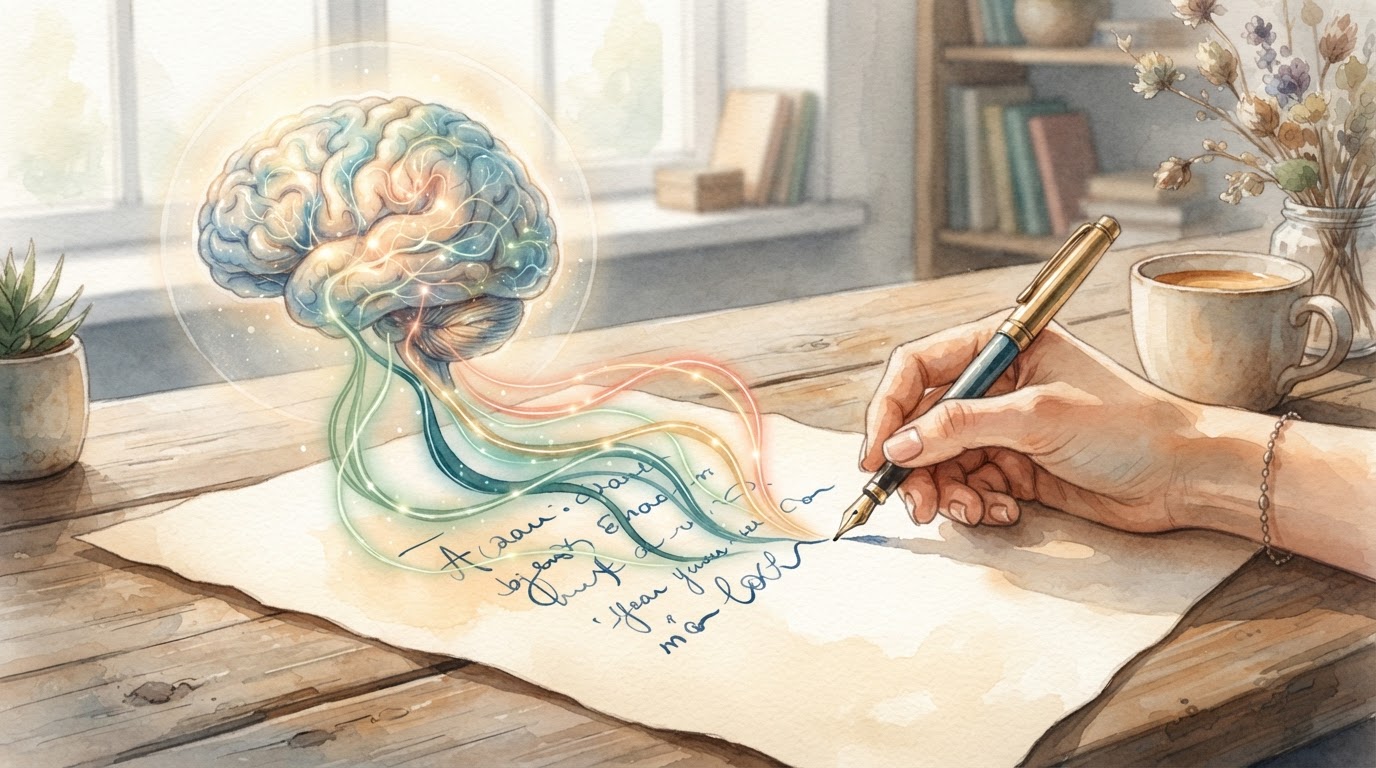
The HSP Nervous System Spectrum: Visualizing the Thresholds
To understand how sensory saturation occurs, it helps to visualize the neurological arousal curve. Under the Yerkes-Dodson law, all humans have an optimal band of arousal where performance, mental health, and well-being thrive.
For the non-HSP, this window is broad; it takes significant sensory turbulence to trigger overwhelm. For the HSP, the window of optimal functioning is nestled between a narrow threshold of understimulation and a rapidly triggered ceiling of overarousal.
STIMULATION LEVEL:
Low (Boredom)  ---------- Optimal Flow (Sweet Spot) ---------- High (Crash)

NON-HSP NERVOUS SYSTEM:
[---------------------- OPTIMAL ZONE ----------------------]  --> Overload
0%                                                        85%          100%

HSP NERVOUS SYSTEM:
[----- Underarousal -----][=== OPTIMAL ZONE ===][!!!!!!! CRASH/OVERLOAD !!!!!!!]
0%                       30%                  70%                      100%
When an HSP is pushed past that 70% threshold, executive functioning drops, emotional irritability surges, and physical symptoms—such as headaches, muscle tension, and cognitive brain fog—appear. The goal of an environmental blueprint is not to eliminate stimulation entirely, but to actively anchor the nervous system inside that sweet spot 🧘.
How Sensory Processing Sensitivity Shows Up in Real Life
Sensory Processing Sensitivity is not an abstract theory; it informs every interaction, task, and morning routine. Here is how the trait commonly manifests across different life arenas:
In the Modern Workplace
Open-plan offices with flickering LEDs, ringing desk phones, and spontaneous interruptions are an HSP's sensory nightmare. While non-HSP colleagues can tune out background banter, the sensitive person's brain continues to log every conversation fragment.
Conversely, when placed in quiet, autonomous environments, HSPs excel as visionary strategists, perceptive editors, deeply thoughtful managers, and insightful system designers. Their depth of processing enables them to foresee operational bottlenecks and ethical quandaries months before they surface.
In Close Relationships and Empathy Fatigue
In partnerships, an HSP loves with unusual tenderness and attunement. They remember the nuances of their partner's preferences and can sense emotional distress without a word being spoken.
However, this empathy comes with a hidden cost: vicarious absorption. Without firm emotional hygiene, an HSP absorbs their partner’s bad day at work, their friend’s marital strife, or the ambient tension of a family gathering, leaving them chronically depleted without knowing why.
In Personal Environments
The home of an HSP is rarely neutral. A clutter-strewn living room, uncomfortable synthetic fabrics, or harsh overhead bulbs ("the big light") can make rest impossible. HSPs often gravitate intuitively toward low lighting, soft textures, natural wood, calming plants, and predictable sonic soundscapes. To the outside world, this can look like perfectionism; to the HSP, it is necessary sensory regulation ✨.
The Environmental Blueprint: A Sustainable Life Plan for High Sensitivity
Thriving as an HSP requires moving away from the assumption that you must endure the world at the same pace and volume as the other 80 percent of society. You do not need to "toughen up." You need to construct an Environmental Blueprint—a deliberate, structured lifestyle framework that honors your nervous system's architecture while protecting your vitality.
       +--------------------------------------------------------+
       |             THE HSP ENVIRONMENTAL BLUEPRINT            |
       +--------------------------------------------------------+
       |  1. Physical Audits (Lighting, Sound, Tactile Inputs)  |
       |  2. Temporal Margins (Buffer Blocks, Micro-Resets)    |
       |  3. Relational Boundaries (Empathetic Detachment)     |
       |  4. Somatic De-Escalation (Vagus Nerve Stimulation)    |
       +--------------------------------------------------------+
Designing the Physical Sensory Diet
Your nervous system ingests sensory information the same way your digestive system ingests food. A balanced sensory diet reduces empty, jarring inputs so you retain bandwidth for meaningful stimuli:
- Auditory Shielding: Invest in high-grade active noise-canceling headphones. Use them proactively—not just on planes, but during grocery shopping, commuting, or working in shared spaces.
- Visual Calibration: Swap out high-kelvin overhead bulbs for warm, indirect lamps (2700K or lower). Use blue-light filters on all screens and keep working surfaces free of visual clutter.
- Tactile and Olfactory Curation: Remove clothing with scratchy tags, stiff seams, or synthetic fibers that produce continuous background irritation. Eliminate synthetic fragrances, which can overwhelm the limbic system, in favor of unscented or gentle botanical alternatives.
Protecting Cognitive and Emotional Bandwidth
Because an HSP processes experiences deeply, your daily schedule requires intentional space to integrate and recalibrate.
- Schedule Daily "Buffer Blocks": Never schedule meetings, social events, or appointments back-to-back. Build in 15- to 30-minute transitions to allow your autonomic nervous system to downshift from sympathetic processing to parasympathetic calm.
- Practice Empathetic Detachment: When someone in your orbit is in crisis, visualize an energetic glass pane between you and them. You can observe, understand, and offer support through the pane without allowing their emotions to cross the threshold into your own body.
- Implement the "Two-Hour Post-Social Window": After returning from high-density gatherings (parties, conferences, busy family events), commit to a minimum of two hours of low-stimulus solitude. Avoid scrolling social media; instead, read, lie down in dim lighting, or listen to ambient soundscapes.
- Normalize "Sensory Fasting": Dedicate one evening a week to sensory minimalism. Turn off the television, dim the lights, leave your phone in another room, and let your brain digest the backlog of unprocessed environmental data it collected throughout the week 🕊️.
Frequently Asked Questions About Being a Highly Sensitive Person
Can a person suddenly become an HSP later in life?
No. Sensory Processing Sensitivity is an innate, genetically influenced temperament trait present from birth. However, individuals often discover their trait later in life after years of confusion. Additionally, chronic stress, burnout, or unhealed trauma can heighten an individual's nervous system sensitivity, mimicking SPS through hypervigilance.
Is being an HSP the same as being on the autism spectrum?
While both HSPs and autistic individuals can experience sensory overwhelm, they are distinct neurodivergent experiences. Autism is a developmental condition characterized by differences in social communication patterns, intense special interests, and specific cognitive profiles. HSPs, by contrast, typically present with typical or heightened socio-emotional communication and high baseline social attunement, while processing sensory information through the DOES framework.
How do I explain my sensitivity to partners or coworkers without sounding fragile?
Frame your sensitivity around operational strengths and specific functional needs rather than deficits. For example: "I do my best strategic thinking when I have uninterrupted focus blocks, so I'm going to put my notifications on hold for two hours," or "My nervous system processes social events deeply, so I'm going to take a brief walk outside to reset my energy." By presenting your sensitivity matter-of-factly, you frame it as proactive energy management rather than fragility 💡.
Can an extrovert be a Highly Sensitive Person?
Yes. Approximately 30 percent of HSPs are extroverts. These individuals often experience a unique internal push-pull: they are energized by social interaction and novelty, yet their nervous systems still reach sensory saturation quickly. Extroverted HSPs require careful balance—seeking out connection while building in restorative solitude before sensory overload sets in.
Cultivating Balance and Knowing When to Seek Professional Support
High sensitivity is a gift when supported by healthy lifestyle foundations, but navigating an overstimulating world can sometimes take a toll on mental health.
It is essential to distinguish between natural sensory saturation and clinical conditions such as Generalized Anxiety Disorder, Major Depressive Disorder, or Complex PTSD. If your sensitivity is accompanied by persistent dread, panic attacks, feelings of worthlessness, an inability to leave the house, or emotional states that make it difficult to function in daily life, consider consulting a licensed mental health professional. A therapist who understands high sensitivity or neurodivergence can help you untangle trauma patterns from innate temperament, offering tools to heal hypervigilance while honoring your natural depth of feeling.
Remember: you do not need to harden yourself to survive in this world. Your empathy, depth, and ability to perceive life's subtle beauty are rare strengths. When you build the right environment to protect your nervous system, your sensitivity shifts from a daily challenge into your greatest creative and relational asset.
Need support calming sensory overwhelm and building sustainable rhythms? Araam is designed to help you decompress, track nervous system triggers, and cultivate lasting inner stillness. Check in with Araam today to explore personalized grounding practices and gentle evening wind-downs tailored to your unique temperament.