5 Myths About Loneliness That Make It Worse
It’s a feeling that can creep in anywhere, at any time. You might be scrolling through a feed of smiling faces, sitting in a bustling coffee shop, or even lying next to someone you love. It’s a quiet
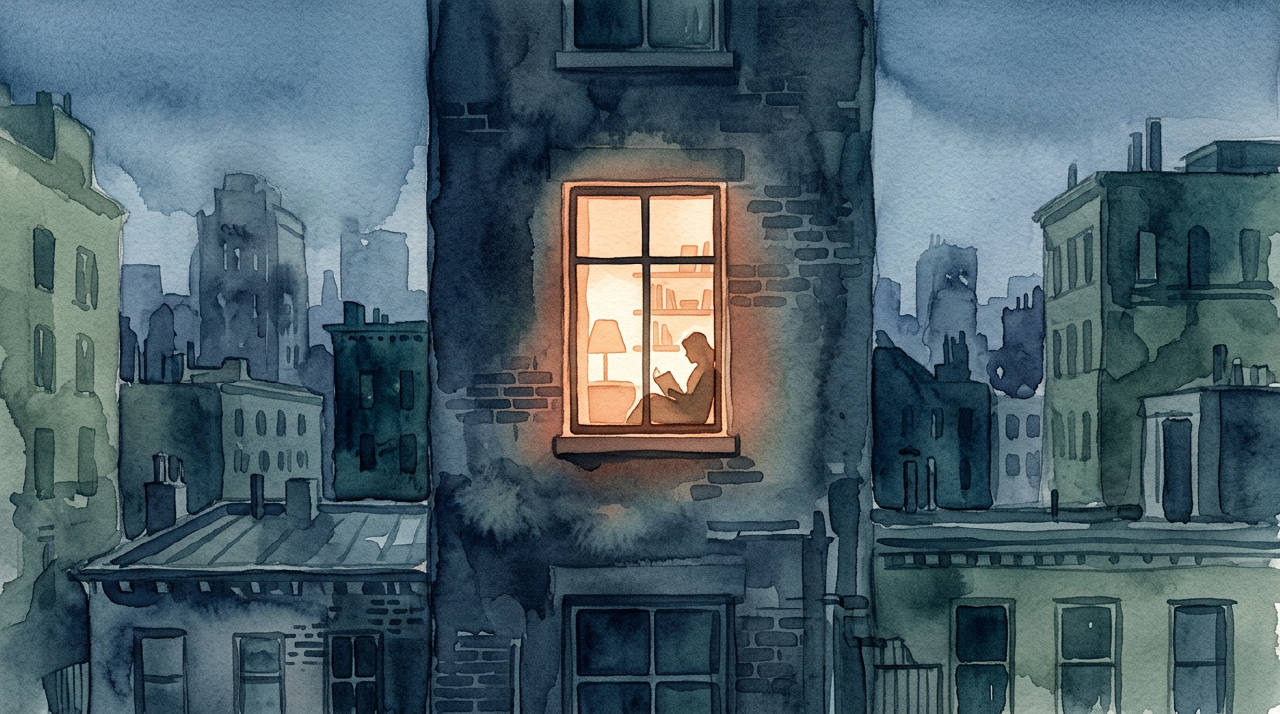
It’s a feeling that can creep in anywhere, at any time. You might be scrolling through a feed of smiling faces, sitting in a bustling coffee shop, or even lying next to someone you love. It’s a quiet ache, a sense of disconnection that has little to do with the number of people around you. This feeling is loneliness, a universal human experience that is as natural as hunger or thirst. Yet, despite its commonality, loneliness is shrouded in shame and misunderstanding. We’re told to "just get out there" or that feeling this way is a personal failing. These myths don't just miss the point; they can trap us further in the very state we're trying to escape, making the fog of isolation even denser. It's time to turn on the lights and see loneliness for what it truly is: a signal, not a sentence. 🌱
[[IMAGE:fig1|A diverse group of people in a bright, airy cafe, but one person sits alone, looking out the window with a pensive expression. The style is warm, painterly, and empathetic, with a soft focus on the background figures.]]
What Is Loneliness, Really?
Before we can dismantle the myths that surround loneliness, it's crucial to understand what it actually is—and what it isn't. The most direct answer is that loneliness is the distressing feeling that arises from a gap between the social connections you want and the ones you have. It’s not about being alone; it's about feeling alone.
Think of it as a biological alarm system. Just as hunger signals a need for food and thirst signals a need for water, loneliness signals a need for meaningful social connection. Our ancestors depended on their tribes for survival—for protection, resource sharing, and co-parenting. Being cast out was a death sentence. That deep, primal need for belonging is wired into our DNA. When that need isn't met, your brain sends out a powerful, painful alert: loneliness.
It's important to distinguish loneliness from solitude. Solitude is the state of being physically alone, but it can be a positive and restorative experience. Many people actively seek solitude to recharge, reflect, or engage in creative work. Loneliness, on the other hand, is inherently negative and subjective. You can be surrounded by people at a party and feel intensely lonely, or you can spend a weekend by yourself in blissful solitude. The difference lies in choice and feeling.
Here's a simple way to visualize the gap that defines loneliness:
Your Social World:

Desired Connection Level:  |--------------------| ✨ (High)
Actual Connection Level:   |----------|           (Moderate)

                         <---- Gap ---->
                       (Source of Loneliness)
This gap can be about the quantity of your connections (you wish you had more friends) or the quality (you have friends, but you don't feel seen or understood by them). Recognizing this gap is the first step toward closing it with intention and self-compassion.
Busting the Six Myths That Keep You Stuck
The stories we tell ourselves about loneliness matter. Harmful myths can foster shame, prevent us from seeking help, and lead us down paths that only deepen our sense of isolation. Let's challenge these misconceptions with evidence and empathy.
Myth #1: Feeling Lonely Means You're Unlikable or a "Loser"
The common belief: If you were more interesting, attractive, or charismatic, you wouldn't be lonely. Loneliness is a reflection of your personal value and social failings.
What is actually true: Loneliness is a universal human condition, not a character flaw. It's a natural response to a fundamental human need going unmet. Feeling lonely doesn't mean something is wrong with you; it means you are human. Every single person, regardless of their popularity or success, will experience loneliness at some point in their lives.
Evidence: The late Dr. John Cacioppo, a pioneering neuroscientist who dedicated his career to studying loneliness, argued that viewing it as a personal failure is like shaming someone for feeling hunger. His research, detailed in the book Loneliness: Human Nature and the Need for Social Connection, established that loneliness functions as a biological signal designed to motivate us to seek out the social connections vital for our survival. It’s an adaptive mechanism, not a mark of inadequacy. A 2021 Harvard study also found that 36% of all Americans—including 61% of young adults and 51% of mothers with young children—reported feeling "serious loneliness." This isn't a fringe issue affecting a few "unlikeable" people; it's a widespread public health concern. 🕊️
Myth #2: You Have to Be Physically Alone to Be Lonely
The common belief: Loneliness is synonymous with solitude. If you live with family, have a partner, or work in a busy office, you can't possibly be lonely.
What is actually true: Loneliness is determined by the quality of your connections, not the quantity of people around you. You can feel profoundly isolated in a crowd or even in an intimate relationship if you lack a sense of deep, authentic connection. This is often called "emotional loneliness."
Evidence: Researchers differentiate between social loneliness (the lack of a wider social network) and emotional loneliness (the absence of a close, intimate attachment). A person can have a large network of acquaintances but still feel emotionally lonely if they don't have anyone they can confide in. Studies have consistently shown that marital status is not a perfect shield against loneliness. Research published in the Journal of Family Psychology found that individuals in relationships can experience significant loneliness if they feel misunderstood, ignored, or emotionally disconnected from their partner. It’s about being seen and valued, not just being present.
Myth #3: The Cure for Loneliness is More Friends and Social Events
The common belief: The solution is simple math: if you're lonely, just add more people. Fill your calendar with parties, join every club, and accept every invitation. The busier you are, the less lonely you'll be.
What is actually true: While increasing social contact can be a part of the solution, the quality of those interactions is far more important than the quantity. Mindlessly accumulating superficial connections can sometimes make you feel even more isolated, highlighting the absence of genuine intimacy. The goal is meaningful connection, not just a full calendar.
Evidence: A study in the Journal of Personality and Social Psychology found that the quality of social relationships has a stronger impact on well-being than the sheer number of social interactions. It’s not about how many people you know, but how well you know them and how well they know you. Forcing yourself into loud, overwhelming social situations when you’re feeling vulnerable can backfire. It can reinforce feelings of being an outsider if you don't make a genuine connection. A better approach is to focus on cultivating one or two promising relationships or deepening existing ones.
"The antidote to loneliness is not just the presence of other people. It is the presence of other people who can see you and whom you can see." - Dr. Vivek Murthy, U.S. Surgeon General
[[IMAGE:fig2|A split-panel illustration. On one side, a person looks overwhelmed at a loud, crowded party with many superficial 'hello's. On the other side, the same person is having a warm, one-on-one conversation with a friend over coffee, looking relaxed and happy. The style is a clean, modern vector graphic.]]
Myth #4: Loneliness Is a Sign of Weakness or a Mental Disorder
The common belief: Strong, resilient, and mentally healthy people don't get lonely. Admitting you're lonely is like admitting you can't cope with life.
What is actually true: Loneliness is a state, not a permanent trait. It is influenced by life circumstances, environment, and biology—not a lack of mental fortitude. Major life transitions like moving to a new city, starting a new job, becoming a parent, or losing a loved one are common and completely normal triggers for loneliness.
Evidence: The U.S. Surgeon General's 2023 advisory, "Our Epidemic of Loneliness and Isolation," frames loneliness as a major public health crisis on par with smoking and obesity. This reframes the issue from a personal failing to a societal problem influenced by factors like increased remote work, the decline of community spaces, and the architecture of our digital lives. It's a systemic issue, not an individual one. While chronic loneliness can contribute to mental health challenges like depression and anxiety, the feeling itself is not a disorder. It’s a normal, albeit painful, part of the human experience. 💧
Myth #5: If You Just Ignore It, Loneliness Will Go Away on Its Own
The common belief: This is just a phase. If you ride it out and don't dwell on it, your feelings of loneliness will eventually fade.
What is actually true: While some bouts of loneliness are temporary, chronic loneliness often requires intentional action to resolve. The cognitive patterns associated with loneliness—such as negative self-talk and a heightened fear of rejection—can create a self-perpetuating cycle that is difficult to break without conscious effort.
Evidence: Research has shown that chronic loneliness can change how our brains perceive social situations. People experiencing chronic loneliness are often more hypervigilant to social threats. They are more likely to interpret neutral social cues as negative, which makes them more likely to withdraw, reinforcing their isolation. Cognitive-Behavioral Therapy (CBT) has been shown to be effective in treating loneliness precisely because it addresses these thought patterns. It teaches individuals to challenge their negative assumptions, build social skills, and gradually re-engage with others in a way that feels safe and rewarding. Ignoring the signal won't fix the underlying need. 💡
Myth #6: Finding a Romantic Partner Will Solve Your Loneliness Forever
The common belief: The ultimate cure for loneliness is finding "the one." Once you're in a committed romantic relationship, you'll have a built-in best friend and never have to feel lonely again.
What is actually true: A romantic partner can be a wonderful source of connection, but placing the entire burden of your social and emotional needs on one person is unrealistic and unhealthy. A rich, fulfilling social life is diverse, drawing strength from friendships, family, community ties, and hobbies, in addition to a romantic partnership.
Evidence: Relying solely on a partner for connection can lead to codependency and puts immense pressure on the relationship. Furthermore, as discussed in Myth #2, people in long-term relationships can and do experience profound loneliness if emotional intimacy fades. A study from the Pew Research Center found that even among married adults, a significant portion report feeling lonely at least sometimes. A resilient social life is like a well-balanced portfolio; it has a diverse range of assets. Strong friendships and community involvement provide support and a sense of identity outside of a romantic relationship, which ultimately makes that primary relationship stronger. 🌿
The Tangible Impacts of Chronic Loneliness
Understanding why these myths are harmful becomes even more urgent when we consider the real-world effects of prolonged loneliness. This isn't just about feeling sad; it has measurable consequences for both our minds and bodies.
- Physical Health: Research has linked chronic loneliness to a range of health problems. The chronic stress associated with it can lead to increased inflammation, higher blood pressure, and compromised immune function. Studies have shown that loneliness is associated with a significantly increased risk of heart disease, stroke, and dementia.
- Mental Health: While loneliness is not a mental illness, it is a major risk factor for developing them. Chronic loneliness can increase the likelihood of depression, anxiety, and substance use issues. It can also disrupt sleep patterns, leading to fatigue and further impacting mood and cognitive function.
- Cognitive Function: The hypervigilance for social threats mentioned earlier can be mentally exhausting. Over time, chronic loneliness has been linked to poorer executive function and an accelerated rate of cognitive decline in older adults.
This isn't meant to be alarming, but to underscore the importance of taking the signal of loneliness seriously. It's a genuine health issue that deserves attention and care.
Actionable Steps Toward Meaningful Connection
Breaking free from loneliness isn't about a single grand gesture but a series of small, intentional steps. The goal is to slowly close the gap between the connection you have and the connection you desire. Here are a few evidence-based strategies to get started:
- Shift Your Mindset: Start by challenging the myths. Acknowledge that your feelings are a normal signal. Practice self-compassion by speaking to yourself as you would a friend going through a tough time.
- Start Small: The idea of "making friends" can feel overwhelming. Lower the stakes. Your goal could be a small, positive social interaction each day. Exchange a few friendly words with the barista, compliment a stranger on their dog, or ask a coworker about their weekend and truly listen to the answer. These "micro-connections" can help rebuild social confidence.
- Focus on Shared Interests: The easiest way to meet like-minded people is to do things you genuinely enjoy. Join a book club, a hiking group, a community garden, a volunteer organization, or a recreational sports team. This shifts the focus from "I need to make friends" to "I'm here to do something I love," which naturally puts you in the path of potential connections.
- Practice Reaching Out: Loneliness can make us passive. Take the initiative, even in a small way. Text a friend you haven't spoken to in a while and suggest a call. Invite a coworker for a coffee. The risk of rejection can feel scary, but it's often smaller than our lonely brain tells us it is. Remember, most people are happy to be asked.
- Be Vulnerable (Gradually): True connection requires a degree of vulnerability. This doesn't mean oversharing with strangers. It means, once you've established some rapport, allowing yourself to share something real about yourself. This reciprocal sharing of experiences is the foundation of intimacy and trust. 🧘
Summary Table: Loneliness Myths vs. Reality
Here’s a quick-reference table to help you challenge these common misconceptions whenever they pop up.
| Myth | The Destructive Belief | The Empowering Truth 📊 |
|---|---|---|
| Myth #1: It's a Character Flaw | "Feeling lonely means I'm unlikeable or a loser." | "Loneliness is a universal human signal, like hunger. It means my need for connection isn't being met." |
| Myth #2: It's About Being Alone | "I can't be lonely; I'm surrounded by people." | "Loneliness is about the quality of connection, not the quantity of people. I can feel lonely in a crowd." |
| Myth #3: More Is Better | "I just need to go to more parties and make more friends." | "Meaningful connection is more important than a full social calendar. Quality over quantity." |
| Myth #4: It's a Sign of Weakness | "Strong people don't get lonely." | "Loneliness is a normal response to life events and societal shifts, not a lack of mental toughness." |
| Myth #5: Ignore It and It'll Go Away | "This is just a phase; I'll wait it out." | "Chronic loneliness often requires intentional action to address the negative thought patterns it creates." |
| Myth #6: A Partner Is the Ultimate Cure | "Once I find 'the one,' I'll never be lonely again." | "A healthy social life is diverse. Relying on one person for all your connection needs is unrealistic and unhealthy." |
Frequently Asked Questions
Is loneliness the same thing as depression?
No, but they are related. Loneliness is the specific feeling of distress from a lack of social connection. Depression is a broader mood disorder characterized by persistent sadness, loss of interest, and other emotional and physical symptoms. While they are distinct, chronic loneliness is a significant risk factor for developing depression. You can be lonely without being depressed, but it's important to monitor your feelings if loneliness persists.
Can technology and social media make loneliness worse?
It's a double-edged sword. Technology can be a lifeline, helping us stay connected with loved ones who are far away or find communities of people with shared niche interests. However, passively scrolling through curated highlight reels on social media can increase feelings of social comparison and inadequacy, making us feel more lonely. The key is to use technology for active, reciprocal engagement (like video calls or meaningful conversations) rather than passive consumption.
How can I talk about feeling lonely without sounding needy or burdensome?
This is a common fear that keeps people silent. Try framing it as a shared human experience. Instead of saying "I'm so lonely," you could try something like, "I've been feeling a bit disconnected lately, and I've been realizing how important good friends are. I really value our friendship." Or, you could simply take the initiative: "I've been missing our chats. Would you be free to catch up sometime next week?" Focusing on the positive action of connection, rather than just the negative feeling of lack, can make the conversation feel more approachable for both of you.
When to Seek Professional Support
Navigating loneliness is a journey, and taking small steps on your own can make a huge difference. However, if your feelings of loneliness are persistent, overwhelming, and accompanied by symptoms of depression or anxiety, it may be time to seek professional support. A therapist or counselor can help you unpack the root causes of your feelings, challenge the cognitive patterns that keep you stuck, and develop a personalized strategy for building a more connected life. They can provide a safe, non-judgmental space to explore these feelings, which is a powerful form of connection in itself.
At Araam, we believe that understanding your emotional world is the first step toward well-being. Our guided journaling prompts and mindfulness exercises can help you explore your feelings of loneliness with curiosity and kindness, paving the way for deeper connection with yourself and others. You don't have to navigate this alone.