10 Science-Backed Ways to Get Nature's Mental Health Benefits Without Leaving the City
We’ve all felt it: that deep, primal longing for the whisper of leaves, the smell of damp earth after rain, or the vast, quiet expanse of a starry sky. Yet, for many of us, city life means trading gre
We’ve all felt it: that deep, primal longing for the whisper of leaves, the smell of damp earth after rain, or the vast, quiet expanse of a starry sky. Yet, for many of us, city life means trading green canopies for concrete canyons. The hustle and bustle can leave our minds feeling cluttered and our spirits weary. But what if the profound mental health benefits of nature—reduced stress, improved mood, and enhanced focus—weren’t just reserved for weekend escapes to the mountains? The truth is, a growing body of scientific research shows that we can weave the restorative power of the natural world into our urban lives in small, potent, and deeply effective ways. You don't need a national park at your doorstep; you just need a window, a pair of headphones, or even just your own imagination to start reaping the benefits. 🌿
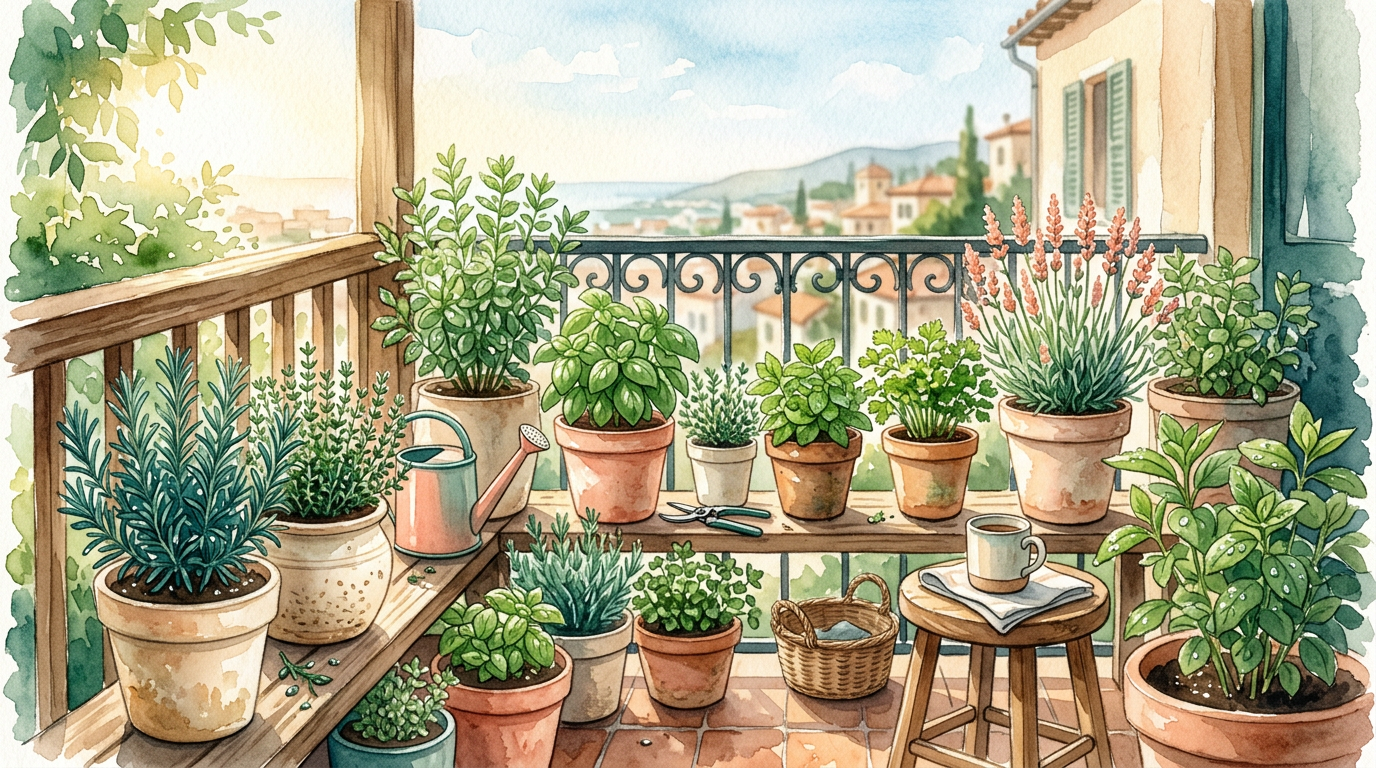
[[IMAGE:fig1|A sun-drenched apartment balcony filled with a variety of lush green plants in terracotta pots. A person is gently watering them, looking serene.|A close-up shot of a modern city apartment balcony transformed into a green oasis. Sunlight streams in, illuminating potted plants of various sizes and shapes—a fiddle-leaf fig, snake plants, and trailing pothos. A person's hands are visible, holding a minimalist watering can and gently tending to the plants. The overall feeling is one of peace and urban sanctuary.]]
Bringing Micro-Doses of Nature Indoors
Your home can be a sanctuary, and one of the most effective ways to cultivate a sense of calm is by intentionally bringing elements of the outdoors inside. You don’t need a sprawling garden; even small, mindful additions can have a significant impact on your mental well-being by engaging your senses and tapping into our innate connection with the natural world, a concept known as biophilia.
1. Master the 5-Minute "Nature Gaze"
The simplest way to connect with nature from your home or office is to look out the window. This isn't just idle daydreaming; it's a powerful mindfulness practice backed by Attention Restoration Theory. This theory suggests that exposure to natural environments can help replenish your capacity for directed attention after it has been depleted by the demands of urban life.
Looking at a tree, the shifting clouds, or a patch of grass allows your mind to enter a state of "soft fascination," which is calming and restorative. Unlike the hard focus required for a spreadsheet or a crowded street, observing nature is effortless. It gently holds your attention without draining it, helping to lower stress levels and improve concentration afterward. Even a brief, five-minute gaze can interrupt a cycle of anxious thoughts and ground you in the present moment.
- Best for: Quick mental resets during a stressful workday or when feeling overwhelmed at home.
- Pro tip: Set a recurring timer on your phone for a "nature gaze" break every 90 minutes. Try to notice one new detail each time—the way the light hits a particular leaf, a new bird in the sky, or the texture of the tree bark.
2. Curate a Nature-Inspired Soundscape
Our auditory environment has a profound effect on our nervous system. The constant barrage of city noise—sirens, traffic, construction—can keep us in a state of low-grade stress. You can counteract this by intentionally curating a soundscape of natural sounds, which studies have shown can physically alter the connections in our brain, reducing our body's fight-or-flight response.
Research published in Scientific Reports found that listening to natural sounds (like a babbling brook or birdsong) encouraged brain connectivity patterns associated with a relaxed, outward-focused state of mind. In contrast, artificial sounds prompted patterns linked to anxiety, rumination, and depression-related states. By playing a high-quality recording of rain, gentle waves, or forest sounds, you can lower your blood pressure, decrease your heart rate, and quiet a busy mind. 💧
- Best for: Improving focus while working, unwinding before sleep, or creating a calming atmosphere for meditation.
- Pro tip: Explore different sound apps and websites to find the sounds that resonate most with you. For an even more immersive experience, invest in a pair of noise-canceling headphones to fully block out urban noise pollution.
3. Cultivate a Windowsill Herb Garden
Engaging with nature isn't just a passive activity. The act of caring for a living thing, even a small pot of basil, can be deeply therapeutic. A windowsill herb garden is a perfect entry point into urban gardening, requiring minimal space and providing immense sensory rewards. Tending to your plants connects you to the rhythms of growth and the changing seasons, offering a gentle, grounding routine.
The benefits are multi-sensory. You get the visual appeal of the green leaves, the tactile sensation of the soil and foliage, and the incredible aroma released when you brush against or harvest the herbs. This sensory engagement can pull you out of anxious thought loops and into the physical world. Plus, the satisfaction of snipping your own fresh mint for tea or rosemary for dinner creates a tangible sense of accomplishment and self-sufficiency. 🌱
- Best for: Anyone craving a hands-on, sensory connection to nature and a rewarding daily routine.
- Pro tip: Start with easy-to-grow herbs like mint, basil, chives, or parsley. Place them in your kitchen window so you see and smell them regularly, reminding you to water them and use them in your cooking.
Designing Your Urban Oasis
Beyond sound and sight, you can transform your living space into a more natural, restorative environment through conscious design choices. This involves maximizing natural elements and minimizing artificial ones to create a home that supports your mental health on a subconscious level.
[[IMAGE:fig2|A sunlit corner of a living room with a comfortable armchair next to a large window. A few large, healthy houseplants are nearby, and the textures of a wool blanket and wooden side table are prominent.|A cozy, well-lit reading nook in an urban apartment. Sunlight streams through a large, clean window, illuminating an inviting armchair draped with a chunky wool throw blanket. A tall, leafy fiddle-leaf fig stands in one corner, and a small wooden table holds a ceramic mug and a book. The scene evokes comfort, quiet, and a connection to natural light and materials.]]
4. Strategically Introduce Houseplants
The "bring a plant home" advice is common, but how and why you do it matters. The biophilia hypothesis, popularized by biologist E.O. Wilson, posits that humans have an innate tendency to seek connections with nature and other forms of life. Houseplants are a direct and accessible way to satisfy this urge within your own four walls.
Studies have shown that simply being in a room with plants can reduce psychological and physiological stress. They can lower blood pressure, improve mood, and even increase productivity. To maximize the benefit, don't just add one sad-looking succulent to a dark corner. Group several plants of varying heights and leaf textures together to create a "green corner" that mimics the diversity of a natural landscape. Research from NASA has also highlighted certain plants, like Snake Plants and Spider Plants, for their air-purifying qualities, which contributes to a healthier physical environment.
- Best for: Improving air quality and creating a visually calming focal point in your home or office.
- Pro tip: Choose plants that match the light conditions of your space and your level of commitment. If you're a beginner, start with "hard to kill" options like a ZZ plant, pothos, or snake plant.
5. Maximize and Mimic Natural Light
Sunlight is a powerful, free mood-booster. Exposure to natural light helps our bodies produce Vitamin D and regulates the release of serotonin, a neurotransmitter that plays a significant role in mood balance. When we're deprived of natural light, it can disrupt our circadian rhythms, leading to low energy, poor sleep, and even symptoms of Seasonal Affective Disorder (SAD).
Make it a priority to open your blinds or curtains fully every morning to let the light flood in. Position your primary workspace or favorite reading chair near a window. Keep your windows clean to let in as much light as possible. In the darker months or in rooms with little natural light, you can supplement with a full-spectrum light therapy lamp. These lamps are designed to mimic the wavelength of natural sunlight and are clinically shown to improve mood and energy levels when used for 20-30 minutes each morning. ✨
- Best for: Combating low energy, improving sleep cycles, and boosting your mood, especially during winter.
- Pro tip: Take a short 10-minute walk outside around midday, even on a cloudy day. The ambient light is still far more powerful than indoor lighting and can have a significant effect on your internal clock.
"The richness I achieve comes from nature, the source of my inspiration." - Claude Monet
6. Incorporate Natural Materials and Textures
Our sense of touch is a powerful tool for grounding ourselves. In a world of smooth glass screens and plastic surfaces, incorporating natural materials into your home decor can provide a subtle but constant stream of calming sensory input. Think about materials like wood, bamboo, stone, wool, cotton, and linen.
Running your hand over the grain of a wooden table, feeling the weight of a stone coaster, or wrapping yourself in a soft wool blanket are all small, haptic experiences that connect you to the natural world. These textures are more complex and varied than synthetic ones, engaging your brain in a gentle, non-demanding way. Swapping a polyester throw for a cotton or wool one, or a plastic cutting board for a wooden one, are simple changes that can make your environment feel more organic and less sterile.
- Best for: Creating a grounding, tactile environment that reduces feelings of artificiality and stress.
- Pro tip: Go on a "texture hunt" in your own home. Notice how many surfaces are artificial versus natural. Aim to introduce one new natural texture into your most-used room this month.
Urban Nature Dose: A Comparison
Wondering how to start? Not all nature-based practices are created equal. Use this table to find the right "dose" of nature for your needs and schedule.
| Intervention | Time Commitment | Primary Benefit | Best For a Quick Boost? |
|---|---|---|---|
| 5-Min Nature Gaze | 2-5 minutes | Attention Restoration | ✅ Yes |
| Nature Soundscape | 15-60 minutes | Stress Reduction | ✅ Yes |
| Indoor Plants | 5 min/day (care) | Mood & Air Quality | ❌ No (long-term) |
| Pocket Park Visit | 20-30 minutes | Cortisol Reduction | ✅ Yes |
| Natural Light | 10-30 minutes | Energy & Circadian Rhythm | ✅ Yes |
| Nature Documentary | 45-60 minutes | Awe & Wonder | ❌ No (longer form) |
Immersive Experiences in the Concrete Jungle
Even in the most densely populated city, pockets of nature exist. Finding and mindfully engaging with these spaces can provide the benefits of a full-blown nature retreat in a fraction of the time.
7. Practice "Pocket Park" Forest Bathing
Shinrin-yoku, or "forest bathing," is the Japanese practice of immersing oneself in nature using all five senses. While you may not have a forest, you likely have a small city park, a tree-lined street, or a community garden nearby. You can adapt this powerful practice for an urban environment by visiting one of these "pocket parks" for just 20 minutes.
Research shows that spending as little as 20 minutes in a space that makes you feel in contact with nature can significantly lower levels of the stress hormone cortisol. The key is to be mindful. Leave your phone in your pocket. Walk slowly. Notice the feeling of the air on your skin. Listen for birds. Look closely at the patterns in a leaf or the bark of a tree. Touch the grass. Breathe deeply. This isn't about exercise; it's about presence. 🧘
- Best for: A powerful lunchtime reset to meaningfully lower stress hormones and clear your head.
- Pro tip: Don't try to cover the whole park. Find one bench or a small area and stay there for the full 20 minutes, allowing your senses to slowly acclimate and absorb the details of your surroundings.
8. Find and Frequent a "Sit Spot"
A "sit spot" is a specific place in nature, no matter how small, that you return to again and again. It could be a particular bench overlooking a pond, a spot under a large oak tree in a park, or even a specific stair on a public stairway that has a view of the sky. By repeatedly visiting the same spot, you build a relationship with it.
This practice, rooted in naturalist traditions, cultivates deep mindfulness and a sense of connection. You begin to notice subtle changes—how the light shifts with the seasons, which birds appear at different times of day, how the plants grow and recede. This consistency provides a stable anchor in a fast-paced world. Your sit spot becomes a familiar, safe place where your mind can relax and wander, fostering a sense of belonging and peace. 🕊️
- Best for: Cultivating a long-term, deep connection with nature and practicing grounding mindfulness.
- Pro tip: Bring a small notebook to your sit spot. You don't have to write anything profound; just jot down what you see, hear, and feel. This act of observation can deepen your attention and appreciation.
9. Engage with Urban Wildlife
Nature isn't just about plants; it's also about the creatures that inhabit our cities alongside us. Deliberately paying attention to urban wildlife—birds, squirrels, butterflies, even insects—can be a delightful and effective way to de-stress. This practice shifts your focus away from your own internal chatter and onto the fascinating, autonomous lives of other beings.
Watching a squirrel navigate a complex series of branches or a pigeon preen its feathers is a form of dynamic meditation. It's an exercise in "soft fascination" that captures your attention without effort, allowing your mind to rest. Consider getting a simple bird feeder for your balcony or window, or just make a point to pause and watch the animal life you encounter on your daily commute. This fosters a sense of wonder and reminds you that you're part of a larger ecological web, even in the city.
- Best for: Distracting from anxious thoughts and cultivating a sense of wonder and connection to the animal world.
- Pro tip: Download a bird-identification app like Merlin Bird ID. Simply record the bird's song, and the app will help you identify it, turning a simple observation into a fun and educational experience.
10. Watch High-Quality Nature Documentaries
When you absolutely cannot get outside, you can still reap some of nature's benefits through high-definition digital immersion. A study by the BBC and UC Berkeley found that watching nature documentaries can lead to significant increases in feelings of awe, wonder, and joy, while simultaneously reducing stress, anxiety, and fatigue.
The key is to watch actively, not passively. Turn off the other lights, put your phone away, and allow yourself to be fully transported by the stunning visuals and intricate sound design. The feeling of "awe"—the emotion we experience in the presence of something vast and overwhelming that transcends our current understanding—is particularly potent. It can make our own problems feel smaller and foster a greater sense of connection to the world at large.
- Best for: Days when you're feeling stuck indoors due to weather, illness, or lack of time.
- Pro tip: Choose programs that focus on beautiful visuals and natural soundscapes over dramatic, high-conflict narratives. Series like Our Planet or Planet Earth are excellent choices for a calming, awe-inspiring experience.
The Nature-Stress Relationship 📊
Even small, consistent doses of nature can have a measurable impact on your stress levels. Think of it as a sliding scale—the more time you can mindfully integrate, the greater the potential benefit.
+-------------------------------------------------+
| Stress Level & Nature Exposure                  |
+-------------------------------------------------+
| High Stress | [■■■■■■■■■■■■■■■■■■■■] | 0-5 mins  |
|   |         |                         |           |
| Moderate    | [■■■■■■■■■■■■]          | 10-20 mins|
|   |         |                         |           |
| Low Stress  | [■■■■■]                   | 30+ mins  |
+-------------------------------------------------+
Frequently Asked Questions
Can "fake" nature, like plastic plants or a digital fireplace, still help?
While real nature is always best, research suggests that even representations of nature can have a positive effect. A study found that even looking at posters of natural landscapes can speed up recovery from stress. A high-quality artificial plant is better than no plant at all, especially if it helps create a more calming aesthetic. The key is that these elements serve as reminders of the real thing and can trigger some of the same positive associations in our brains. 💡
How much time do I really need to spend to feel a difference?
A 2019 study published in Frontiers in Psychology recommends a "nature pill" of at least 20 to 30 minutes, three times a week, to see a significant drop in cortisol levels. However, other studies show benefits from much smaller doses. Even a 5-minute "nature gaze" out a window can help restore focus. The motto is: something is always better than nothing. Don't let the "perfect" amount of time stop you from getting a "good enough" dose. Consistency is more important than duration.
What if I have severe allergies or live in a "concrete desert" with no green space at all?
This is where bringing nature indoors and using digital tools becomes essential. Focus on the strategies that don't involve going outside: cultivate a few hypoallergenic houseplants (like a Snake Plant or Dracaena), maximize natural light, curate nature soundscapes, watch high-quality nature documentaries, and incorporate natural materials into your decor. These methods are designed specifically for situations where outdoor access is limited, ensuring everyone can find a way to connect.
When to See a Professional
These tips are wonderful tools for supporting everyday mental wellness and managing mild stress and anxiety. They are designed to complement, not replace, professional mental health care. If you are experiencing persistent feelings of sadness, anxiety, or hopelessness that interfere with your daily life, it's important to reach out to a qualified therapist, counselor, or doctor. They can provide a personalized assessment and treatment plan.
And for daily support right in your pocket, Araam is here for you. Our app offers guided meditations, mood tracking, and mindfulness exercises—many of which can be done while practicing the nature-based tips in this article. Let Araam be your companion as you build a more balanced and peaceful urban life.