Shame: Three Moments My Mask Slipped and What They Taught Me
It was the wanting to disappear that I remember most. Not in a dramatic, existential way, but in a quiet, physical one. The sudden, desperate wish to shrink, to become invisible, to fold into myself u
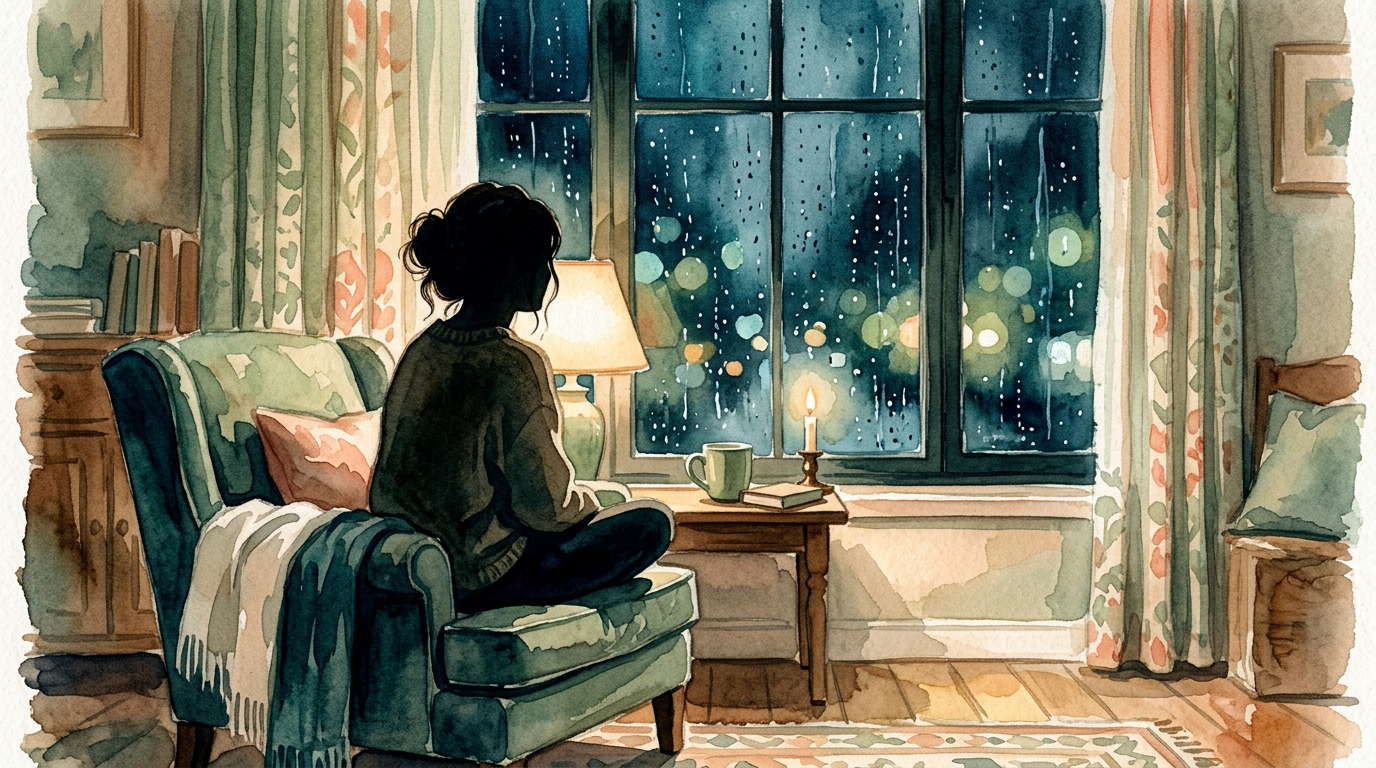
It was the wanting to disappear that I remember most. Not in a dramatic, existential way, but in a quiet, physical one. The sudden, desperate wish to shrink, to become invisible, to fold into myself until I was nothing but a speck of dust on the floor. It’s a feeling I’ve come to know intimately over the years—a hot flush that starts in the chest and blooms across your face, a metallic taste in your mouth, an internal chorus screaming, “They see you. They see the real, flawed you.” For most of my life, I believed this feeling was a personal failing, a glitch in my character that I had to hide at all costs behind a carefully constructed mask of competence and composure. But what I've learned, through a series of humbling, painful, and ultimately liberating tumbles, is that these moments when the mask slips are not the end. They are the beginning. They are invitations to understand one of the most powerful and universal human emotions: shame. 🌱

The Presentation That Crumbled: Navigating Professional Shame
The first crack in my mask happened in a sterile, glass-walled conference room on the 27th floor. I was in my late twenties, eager and ambitious, and this was my big moment. For weeks, I had poured everything into a presentation for our biggest client. I knew the data backward and forward. My slides were crisp, my talking points rehearsed. I was wearing my "power" blazer—the one that made me feel like I belonged in rooms like this. I strode to the front, smiled, and began.
And then, it happened. My mind, usually a loyal and sharp ally, went completely blank. A key statistic, one the entire proposal hinged on, evaporated. I could feel a dozen pairs of eyes on me—my boss, the client’s VPs, my teammates who had trusted me. The silence was a physical weight. I stammered, my cheeks burning. “Just one moment,” I said, my voice a strained whisper as I shuffled through my notes with trembling hands. The more I searched, the more the panic constricted my throat. The confident professional I had been just moments before was gone, replaced by a frightened child caught in the headlights. I eventually found the number, but the damage was done. The flow was broken, my credibility shattered. I stumbled through the rest of the presentation, but the energy had left the room.
What is professional shame?
Professional shame is the intensely painful feeling that you are incompetent, unworthy, or an "imposter" in your work life. It's not just about making a mistake (guilt); it's about believing the mistake reveals a fundamental flaw in you. It’s the fear that you’ll be “found out” as a fraud and that your perceived failure will lead to professional rejection or a loss of respect. This feeling is incredibly common in high-pressure environments, often fueling burnout and a paralyzing fear of taking risks.
The Aftermath: Hiding vs. Owning
For a week, I was a ghost. I avoided my boss, took lunch at my desk, and left the office the second the clock hit five. I replayed the scene in my head, each time cringing with a fresh wave of humiliation. I told myself I was a failure, that I had let everyone down, that I didn't deserve my job. Shame loves secrecy. It festers in the dark, whispering lies that feel like undeniable truths.
The turning point came not from a moment of strength, but of desperation. I saw my work mentor, a kind senior director named Maria, in the kitchen one morning. Before I could retreat to my desk, she gently asked if I was okay. The dam broke. In a flood of quiet tears, I mumbled the whole story, fully expecting her to confirm my worst fears. Instead, she listened, nodded, and when I was done, she said something I'll never forget: “Oh, honey. My first big presentation? I called the CEO by the wrong name. Twice.” She then told me about her own epic failures, the deals that fell through, the reports filled with errors. She didn’t dismiss my pain; she simply sat with me in it and made it feel... normal. Her empathy didn't erase the memory, but it took away its power. It showed me that my worth wasn't tied to a single performance. The mask hadn't just cracked; it had been gently pried off by a compassionate hand, and underneath, I found not judgment, but connection. 💧
The Dinner Party Disaster: Unpacking Social Shame
My second memorable run-in with shame didn't take place under fluorescent lights, but in the warm, candle-lit glow of a friend's dining room. It was a small gathering of people I liked and admired. The wine was flowing, the conversation lively. Feeling comfortable and wanting to be witty, I made a joke. It was meant to be a lighthearted jab at a recent pop culture event, but it landed with a thud.
It wasn't overtly offensive, but it was clumsy. Misjudged. A couple of people offered tight, polite smiles. One person shifted uncomfortably. The conversation stalled for a heartbeat—a social eternity—before someone gracefully changed the subject. But my brain had captured the moment in high-definition. The silence. The forced smiles. My own awkward laugh trying to fill the void. For the rest of the evening, I was a spectator, not a participant. My internal critic was on a rampage: “Why would you say that? You’re so awkward. Everyone thinks you’re an idiot. You don’t belong here.” I drove home in a fog of self-loathing, the shame so thick I could barely breathe.
This flavor of shame felt different from my professional blunder. That was about competence. This was about belonging. It tapped into a primal fear of social rejection—the fear that my flaws made me fundamentally unlikable.
How does social shame differ from guilt?
Understanding the distinction between guilt and shame is a crucial step in learning to manage these feelings. While they often coexist, they are not the same. Guilt is focus on behavior, whereas shame is focused on the self. This distinction, famously researched and articulated by Dr. Brené Brown, is a game-changer. 💡
| Guilt | Shame |
|---|---|
| Focus: Behavior | Focus: Self |
| Internal monologue: "I did something bad." | Internal monologue: "I am bad." |
| Impact: Often motivates positive change, apology, and repair. | Impact: Often leads to hiding, defensiveness, and disconnection. |
| Example: "I feel bad that I made that insensitive joke." | Example: "I am an insensitive, awkward person for making that joke." |
Repairing the Rupture
For two days, I let the shame dictate my actions. I ignored the group text thread and avoided making eye contact with the friend who hosted the party when I saw her at a coffee shop. But the lesson from Maria echoed in my mind. Shame grows in silence. So, I took a deep breath and sent a text to my friend, the host. "Hey! I've been cringing on a loop since Saturday night. The joke I made was super awkward and I'm sorry if it made things weird. I was trying to be funny and just totally missed the mark."
Her reply came almost instantly: “OMG please don’t worry about it for a second! We’ve all been there. It wasn’t a big deal at all!” The relief was instantaneous and immense. By naming the awkwardness, by owning my misstep (a guilt-driven action), I robbed the shame of its power. I had feared disconnection, but my vulnerability had actually strengthened the connection. I learned that authentic relationships aren't built on a foundation of flawless perfection, but on the courage to show up, mess up, and clean up.
The Secret I Kept: Confronting Deep-Seated Personal Shame
The third moment wasn't a moment at all, but a decade. It was a secret I carried from my late teens into my adult life. It wasn't a dramatic, cinematic secret, but it was mine, and it was heavy. It involved a choice I made that I believed was selfish, a choice that I felt had hurt someone I loved, even if they never said so. This shame was different from the others. It wasn't about a performance or a social gaffe. This one felt like it was woven into my DNA. It was a core belief that there was something fundamentally rotten within me.
For years, this secret dictated my behavior in subtle ways. I struggled to accept genuine praise. I overcompensated in relationships, becoming a people-pleaser to prove I was "good." I never felt worthy of unconditional love because I believed I was hiding a fatal flaw. This shame was isolating, a cold, heavy stone I carried alone.
Shame is the intensely painful feeling or experience of believing that we are flawed and therefore unworthy of love, belonging, and connection.
This deep shame thrives in the stories we tell ourselves about ourselves. My story was that I was selfish and unworthy. And because I never spoke it aloud, there was no one to challenge that narrative. The breakthrough came when the weight simply became too much to bear. I finally made an appointment with a therapist. In a quiet, safe office, to a person trained to hold space for such stories, I finally spoke the secret aloud for the first time. I braced myself for judgment, for the therapist's subtle look of disapproval that would confirm everything I believed about myself.
It never came. Instead, she met my story with empathy. She helped me unpack it, to see the scared teenager who made that choice, to understand the context, to separate the action from my identity. She helped me rewrite the story, not to excuse the choice, but to understand it with compassion. Sharing that secret didn't magically erase the past, but it integrated it. It allowed me to see it as part of my journey, not the defining feature of my character. It was the ultimate act of taking off the mask and finding that I was still whole, still worthy, underneath it all. 🕊️
Shame's Universal Grip: Why We All Feel It
Shame is not a personal failing; it is a primal, biological survival instinct. As social creatures, our survival once depended on being part of a tribe. Banishment meant death. Shame evolved as an internal alarm system, warning us of behaviors that could lead to social disconnection. The problem is that in our modern world, this alarm is often hyperactive, triggered by things that are not life-threatening, like a fumbled presentation, an awkward joke, or a past mistake.
Researcher Brené Brown describes a "shame resilience" model that helps us understand how to move through these painful experiences without getting stuck. It’s about building awareness and reaching out for connection.
THE SHAME RESILIENCE CYCLE

        Triggering Event --> You feel shame, want to hide
               |
               v
     Critical Awareness --> "I am feeling shame. This is a normal human emotion."
               |                      "I am not my mistake."
               v
         Reaching Out -----> Sharing your story with a trusted, empathetic person
               |
               v
        Speaking Shame ----> "When I did X, I felt Y, and the story I'm telling myself is Z."
               |
               v
          Empathy ✨ ------> Receiving empathy de-powers the shame -> Resilience is built
This cycle shows that the antidote to shame isn't to be perfect, but to be connected. Shame cannot survive being spoken and met with empathy. It needs three things to grow: secrecy, silence, and judgment. When we find the courage to share our story with someone who will listen without judgment, we cut off shame's air supply.
Building Your Shame Resilience Toolkit 🌱
Moving from understanding shame to actively working with it requires practice and intention. It's about building emotional muscle over time. Here are a few tools to get you started.
Three Steps to Practice Self-Compassion When Shame Appears
- Mindfulness: Acknowledge the feeling without judgment. Instead of "I am so ashamed," try "I am noticing a feeling of shame in my body." This creates a little bit of space between you and the emotion.
- Common Humanity: Remind yourself that you are not alone. Say, "This is a human experience. Everyone feels shame. Failure and mistakes are part of life." This directly counters the isolating nature of shame.
- Self-Kindness: Speak to yourself as you would a dear friend who just made the same mistake. What would you say to them? You likely wouldn't call them an idiot or a failure. Offer yourself that same warmth and understanding.
Conversation Starters for Sharing a Shame Story
Reaching out is the hardest and most important step. Here are some ways to open the door with someone you trust:
- "Something has been weighing on me, and I trust you enough to share it..."
- "I had an experience recently that I feel really embarrassed about, and I could use a friendly ear."
- "Can I tell you about a time I messed up? I'm trying to work through the story I'm telling myself about it."
- "You know how you said you struggled with X? I have a similar story, and I've never told anyone."
Frequently Asked Questions About Shame
What's the difference between shame and embarrassment?
Embarrassment is usually fleeting and less painful. We feel embarrassed when we trip in public or spill coffee on our shirt. It’s the feeling of unwanted, temporary attention. We might laugh about it later. Shame is much deeper and more painful. It carries the fear that we are being judged for a core flaw and might lead to disconnection from others.
Can shame ever be a good thing?
This is a tricky question. While the feeling of shame is destructive, the awareness that we've violated a social or moral norm can be a catalyst for positive change. It can signal that our behavior is out of alignment with our values. The key is to respond with guilt-driven repair ("I need to fix what I did") rather than shame-driven hiding ("I need to hide who I am").
Why is it so hard to talk about shame?
It's hard because the very nature of shame is the fear of disconnection. We believe that if we expose the part of us we're ashamed of, people will reject us, laugh at us, or think less of us. It requires immense vulnerability and courage to risk that rejection in the hopes of finding empathy and connection instead.
How can I support someone who is sharing their shame with me?
Listen. Just listen. Don't try to fix it. Don't say, "It's not a big deal." That can feel dismissive. Validate their feelings by saying things like, "That sounds incredibly painful," "Thank you for trusting me with that," or "I've felt that way too." Your empathy is the most powerful gift you can offer.
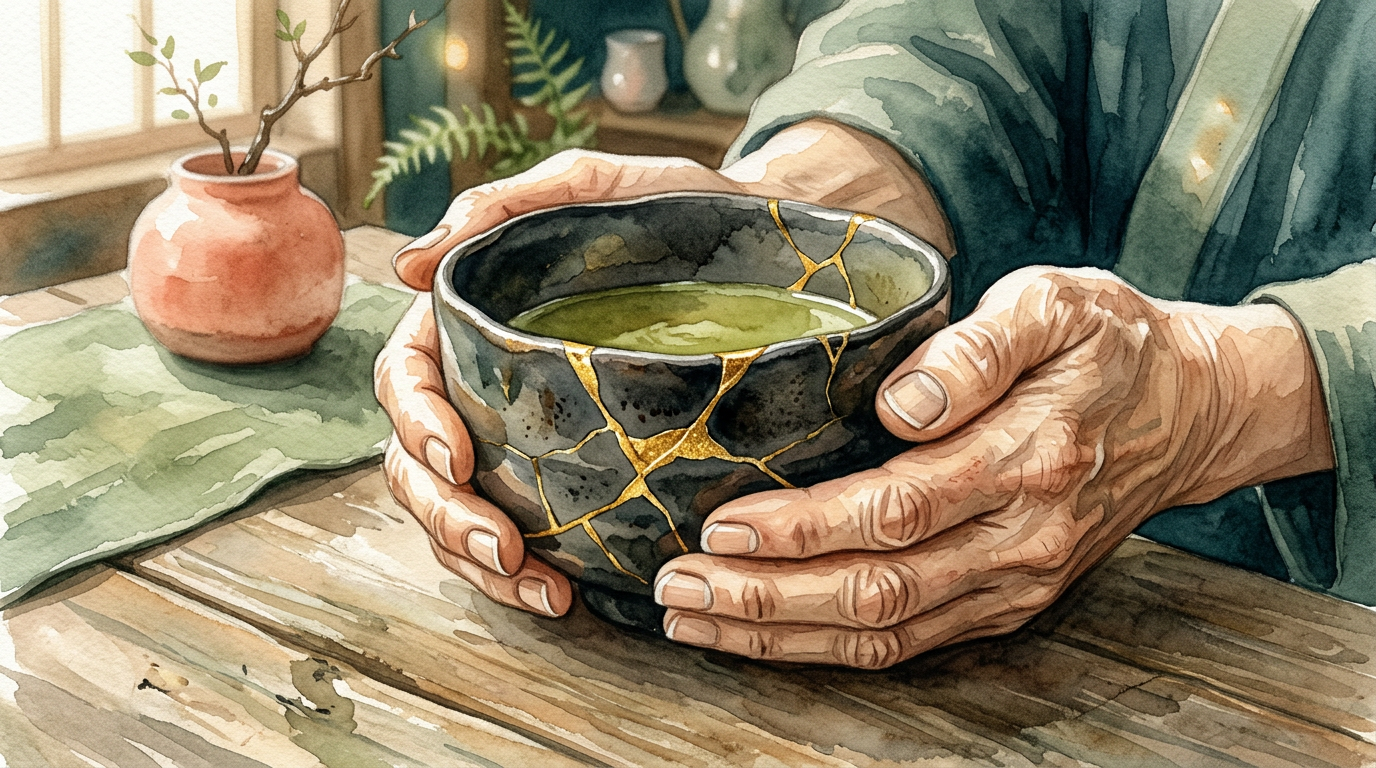
Looking back on those three moments—the crumbled presentation, the awkward joke, the heavy secret—I don’t see them as scars anymore. I see them through the lens of Kintsugi, the Japanese art of repairing broken pottery with gold. The cracks are not hidden; they are illuminated, made beautiful, a testament to the object's history and resilience. My mask slipped, and it was terrifying. But in the cracks, the light got in. Empathy got in. Connection got in. I learned that my worth is not measured by my perfection, but by my courage to be imperfect. I am still a work in progress, and the mask still threatens to slide back on from time to time. But now, I know how to let it drop. I know that true strength isn't in never falling; it's in learning how to be seen, truly seen, in the messy, beautiful, human act of getting back up.
So, let me ask you: What's one small crack where you might let a little light in this week?
When to see a professional
While sharing with trusted friends is powerful, some layers of shame—especially those tied to trauma, addiction, or deep-seated family issues—are best navigated with the help of a licensed mental health professional. If shame is keeping you isolated, impacting your daily functioning, or contributing to feelings of depression or anxiety, seeking therapy is a courageous act of self-care. A therapist can provide a safe, non-judgmental space to unpack these feelings and develop tailored strategies for healing.
And for those moments in between, when you need a space to reflect on your feelings and practice self-compassion, your Araam companion is always here. Explore our guided journals and mindfulness exercises designed to help you sit with difficult emotions with kindness and curiosity. You are not alone on this journey. 🌿