The 5-Minute Anxiety Emergency Kit Checklist for Your Bag
It can happen anywhere, at any time. You’re in a crowded grocery store, a meeting at work, or even just walking down the street when that familiar, unwelcome wave begins to crest. Your heart starts to
It can happen anywhere, at any time. You’re in a crowded grocery store, a meeting at work, or even just walking down the street when that familiar, unwelcome wave begins to crest. Your heart starts to race, your palms get clammy, and your thoughts begin to spiral. In these moments of acute anxiety or the onset of a panic attack, the world can feel overwhelming and your own mind like a runaway train. But what if you had a small, tangible anchor you could reach for? What if you could carry a curated set of tools in your bag, specifically designed to pull you back to the present moment and de-escalate that rising tide of panic? This is the power of a 5-Minute Anxiety Emergency Kit—a simple, deeply personal act of self-care and preparedness that puts a little bit of control right back in your hands. 🌱
[[IMAGE:fig1|A flat lay of items for an anxiety kit on a soft, neutral-colored blanket. Items include a smooth worry stone, a small rollerball of essential oil, a tiny notebook and pen, a single chamomile tea bag, and a small tin container.|A cozy, top-down view of a curated collection of small, calming items arranged artfully on a textured fabric surface, suggesting comfort and preparedness.]]
What Is a 5-Minute Anxiety Emergency Kit?
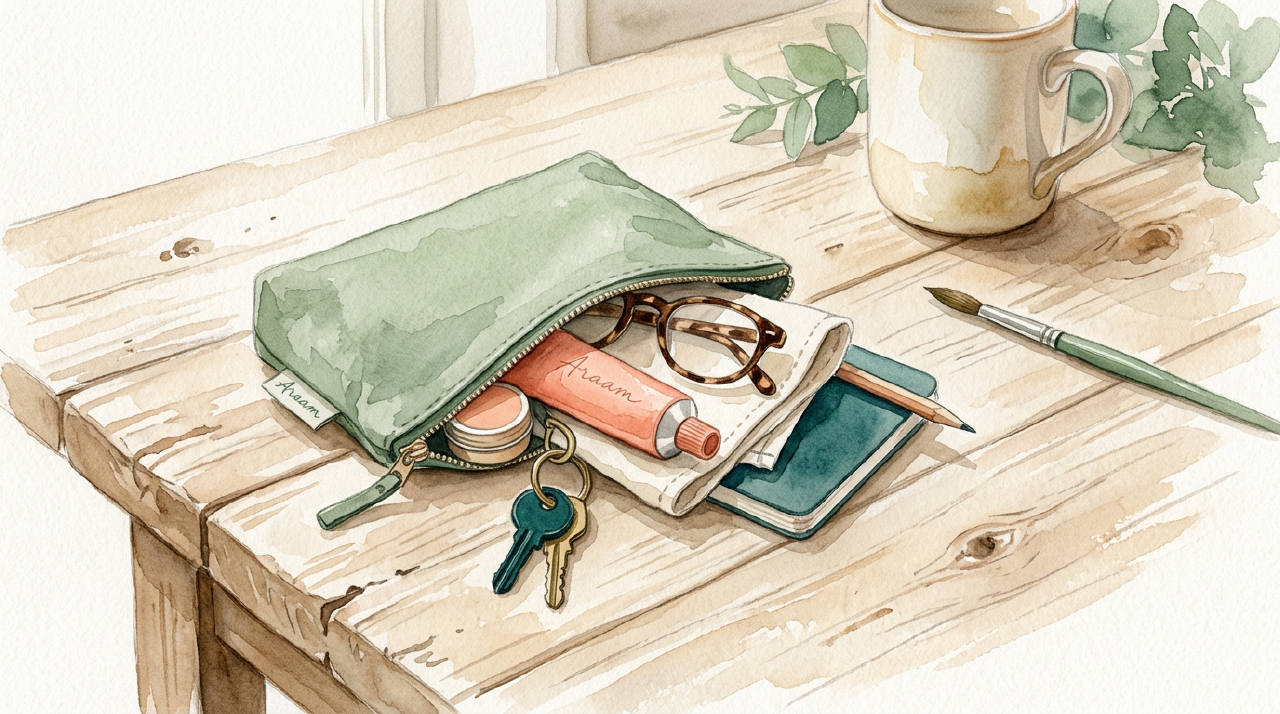
A 5-Minute Anxiety Emergency Kit is a small, portable collection of items you assemble yourself, designed to help you navigate a moment of high anxiety, stress, or panic. The core purpose of the kit is to ground you in the present by engaging your five senses and gently redirecting your focus away from overwhelming thoughts and physical sensations. Think of it as a physical manifestation of your favorite coping strategies. Instead of trying to remember what to do when your mind is racing, you can simply reach into your bag and let these pre-selected objects guide you through a 5-minute calming ritual. Creating and carrying this kit is an act of profound self-compassion; it's a promise to yourself that you have the tools to offer support and kindness, even when things feel incredibly difficult.
Building Your 5-Minute Anxiety Emergency Kit: The Checklist
Your kit should be uniquely yours. As you go through this list, think about what truly brings you a sense of comfort, distraction, or calm. The goal is not to have a huge, bulky collection, but a small, potent one. Pick and choose from the categories below to create a kit that fits in a small pouch or tin.
Grounding Through Your Senses (Sensory Items)
When anxiety hits, we often feel disconnected from our bodies and our surroundings. Sensory items are powerful because they bypass the spiraling thoughts in our prefrontal cortex and directly engage other parts of our brain, anchoring us firmly in the "here and now."
- Something with a strong, comforting scent. Scent is tied directly to the limbic system, the brain's center for memory and emotion. A familiar, calming smell can be incredibly grounding.
- Examples: A lavender or bergamot essential oil rollerball, a sachet of dried chamomile flowers, a solid perfume stick with a sandalwood scent, or even a cotton ball infused with your favorite calming fragrance kept in a tiny zip-top bag. 🌿
- Something with a unique, engaging texture. Focusing on the tactile sensation of an object in your hand can pull your attention away from internal chaos.
- Examples: A smooth, cool worry stone; a small, soft piece of velvet or faux fur; a spiky rubber massage ball; a beaded bracelet; or a small, polished piece of sea glass.
- Something with a sharp, specific taste. A strong, surprising flavor can act as a "pattern interrupt" for your brain, momentarily halting the cycle of anxious thoughts.
- Examples: A super-sour candy (like a Warhead), a powerful mint (like an Altoid), a piece of crystallized ginger, or a square of very dark (85%+) chocolate.
- Something specific to listen to. Prepare a short, pre-downloaded audio file to block out overwhelming external noise and replace it with something soothing.
- Examples: A pair of dedicated earbuds (wired, so they don't need charging) with a 5-minute guided meditation, a specific calming song (like ambient music or binaural beats), or a short, comforting podcast episode downloaded to your phone.
- Something calming to look at. Visual cues can serve as a portal to a more peaceful mental state.
- Examples: A small, laminated photo of a beloved pet, a peaceful landscape, or a smiling loved one. A tiny kaleidoscope or a miniature hourglass can also provide a simple, mesmerizing visual focus. 🕊️
Engaging Your Mind (Cognitive & Distraction Items)
These items are designed to give your busy mind a different, low-stakes task to focus on, redirecting cognitive resources away from the anxiety loop.
- A grounding phrase or mantra card. Reading and repeating a simple, powerful statement can reframe your mindset.
- Examples: Write on a small notecard: "This feeling is temporary and it will pass," "I am safe in this moment," or "Breathe in peace, breathe out noise."
- A small, simple puzzle. Engaging the logical part of your brain can provide immediate relief.
- Examples: A tiny book of Sudoku or a crossword puzzle, a laminated logic puzzle, or even a simple finger puzzle or fidget toy that requires some thought.
- A "5-4-3-2-1 Technique" reminder card. This is one of the most effective grounding techniques, and having a card means you don't have to remember the steps under pressure.
- Instructions on card: "Acknowledge: 5 things you can see. 4 things you can feel. 3 things you can hear. 2 things you can smell. 1 thing you can taste."
- A pen and a tiny notebook. The act of writing can externalize anxious thoughts, making them feel more manageable.
- How to use: Quickly jot down what you're feeling (a "brain dump"), doodle mindlessly, or write your grounding phrase over and over.
Comfort & Physical Soothing Items
These items offer a sense of physical comfort and self-nurturing, signaling to your nervous system that it's okay to stand down from high alert.
- Soothing lip balm or hand cream. The repetitive, gentle motion of applying lip balm or massaging cream into your hands is a mindful mini-ritual. Choose one with a scent you love.
- An herbal tea bag. You don't need hot water to benefit. Just holding a bag of chamomile, peppermint, or ginger tea and inhaling its scent can be deeply calming. 💧
- A small, weighted object (optional). Deep pressure can be very soothing for the nervous system. While not always practical, a slightly heavier-than-normal object can provide this.
- Examples: A small, dense stone or a handmade mini beanbag that fits in your palm.
- Emergency contact card. This isn't just for a crisis. It’s a physical reminder of your support system. List a trusted friend, family member, or therapist's number. Just seeing their name can be a comfort. ✨
How to Use Your Anxiety Emergency Kit Effectively
The key to your kit is using it with intention. It's not about frantically digging through your bag in a full-blown panic (though it can certainly help then, too). It's about building a mindful practice.
First, recognize the early signals of your anxiety rising. Is it a tightness in your chest? A specific looping thought? A feeling of heat? This is your cue. Don't wait for it to become a tidal wave.
Second, find a safe(r) space. You don't need perfect privacy, but try to find a moment of relative quiet. This could be stepping out of a meeting to go to the restroom, finding an empty bench in a park, or simply sitting in your parked car for a few minutes.
Third, physically open your kit. This action itself is part of the ritual. It’s a deliberate step you are taking to care for yourself.
Fourth, choose your anchor. Without overthinking, pick one or two items from your kit that call to you in that moment. Does the thought of a sharp, sour taste feel right? Or does the idea of smelling lavender feel more soothing? Trust your intuition.
"The goal isn't to magically erase the anxiety. The goal is to interrupt its momentum. By focusing all of your attention on a single sensory object for just a few minutes, you are telling your brain, 'Hey, look over here. This is more important right now.' You are consciously taking back the steering wheel, even if just for a moment." 🧘
Finally, engage mindfully for 3 to 5 minutes. If you chose the worry stone, close your eyes and focus only on its properties. Is it cool or warm? Is it perfectly smooth or does it have tiny imperfections? How does its weight feel in your palm? Pour all of your focus into that single object. This practice of intense, narrow focus is what breaks the anxiety cycle.
[[IMAGE:fig2|A close-up shot of a person's hands holding a small, soft pouch, suggesting they are about to open it. The background is slightly blurred but indicates a public space like a cafe or library.|A personal, intimate photo focusing on the act of reaching for an anxiety kit. The hands are central, and the pouch is a soft, comforting texture. The public setting underscores the kit's purpose.]]
Choosing the Right Container: Pouch vs. Tin
The container for your kit matters. It should be small, discreet, and easy to find in your bag. The two most popular options are a small zippered pouch and a repurposed metal tin (like an Altoids tin).
| Feature | Soft Zippered Pouch | Small Metal Tin |
|---|---|---|
| Discretion | High. Blends in easily with other items in a bag, looks like a coin purse or makeup bag. | Medium. Can be very discreet, but might rattle if not packed tightly. |
| Flexibility | High. Can accommodate odd-shaped items and squish to fit into tight spaces. | Low. Items must fit within its rigid dimensions. |
| Durability | Medium. Protects from scratches but not from being crushed. | High. Offers excellent protection for fragile items like a glass oil roller. |
| Organization | Lower. Items are loose inside, may require some digging. | Higher. Items can be packed tightly to prevent movement. |
| Best For... | Kits with soft or unbreakable items like fabric, tea bags, and note cards. | Kits with fragile or small items that could get lost or broken, like essential oil vials or tiny puzzles. |
Tracking Your Triggers and Tool Effectiveness 📊
Your anxiety kit is also a source of valuable information. After you use your kit and the intense feelings have subsided, take a moment to notice what worked. Keeping a simple log in a notebook or your phone can help you identify patterns in your anxiety and refine your kit over time. This data can be incredibly empowering and useful if you choose to work with a therapist.
You can use a simple chart to track your progress. Rate your anxiety on a scale of 1 to 10 before and after using your kit.
+----------------+---------------+------------+------------------+
|      Date      | Anxiety Level |  Item Used | Anxiety Level    |
|   & Situation  |    (Before)   |  in Kit    |     (After)      |
+----------------+---------------+------------+------------------+
| Oct 26, Grocery|       7       | Sour Candy |         4        |
| Store          |               |            |                  |
+----------------+---------------+------------+------------------+
| Nov 2, Work    |       8       | Mantra Card|         5        |
| Meeting        |               | & Breathing|                  |
+----------------+---------------+------------+------------------+
| Nov 10, On Bus |       6       | Worry Stone|         3        |
+----------------+---------------+------------+------------------+
This simple practice of tracking transforms your kit from a reactive tool into a proactive part of your wellness journey.
Beyond the Kit: Other 5-Minute Practices
Your physical kit is your primary tool, but you can supplement it with practices that require no items at all. Think of these as your "invisible" emergency kit.
- Box Breathing: This is a classic for regulating the nervous system.
- Inhale slowly through your nose for a count of 4.
- Hold your breath for a count of 4.
- Exhale slowly through your mouth for a count of 4.
- Hold the empty breath for a count of 4.
- Repeat for 2-3 minutes.
- Progressive Muscle Relaxation (PMR): You can do a mini version of this anywhere.
- Focus on your hands. Clench them into tight fists for 5 seconds, noticing the tension.
- Release the clench completely and notice the feeling of relaxation for 10 seconds.
- Move to your shoulders. Shrug them up to your ears, holding the tension for 5 seconds.
- Release completely and let them drop, feeling the release.
Frequently Asked Questions (FAQ)
Is it weird to carry an "anxiety kit"? I'm worried about what people might think.
It's not weird at all! Many people carry items for their well-being, whether it's an asthma inhaler, an EpiPen for allergies, or medication for a headache. Your anxiety kit is a health tool, just like any other. Think of it as a tangible form of self-respect and preparedness. Being ready to support yourself is a sign of strength, not weakness.
What if I use my kit and it doesn't "work"?
The goal of the kit isn't to be a magic wand that instantly eliminates anxiety. Its purpose is to interrupt the escalating cycle of panic and provide an anchor. Some days, it will feel more effective than others. Sometimes, just the act of reaching for it and trying is a victory in itself. If you find your kit isn't helping over time, it might be a signal to try swapping out items or to consider seeking additional support.
How often should I refresh the items in my kit?
It's a great idea to check in with your kit every few months. Our preferences and needs change over time. The scent that once calmed you might become less effective, or you may discover a new tactile object that works even better. See it as a living tool. Take everything out, see what still resonates, and feel free to swap items to keep it fresh and effective for you.💡
A Note on a Printable Version
To make assembling your kit easier, we recommend copying the checklist portion of this article into a personal document. You can then print it out and physically check off items as you gather them. This turns the process of creating your kit into a mindful, deliberate activity.
When to See a Professional
An anxiety emergency kit is an excellent tool for managing in-the-moment symptoms of anxiety and panic. It is a powerful form of self-support. However, if you find that anxiety is consistently interfering with your ability to enjoy life, work, or maintain relationships, or if your panic attacks are frequent and severe, it's a very good sign that it's time to seek professional support. A licensed therapist or counselor can help you understand the root causes of your anxiety and develop comprehensive, long-term strategies for managing it.
The Araam app is here to support you on your journey. Use it to track your moods, practice guided breathing exercises like the ones mentioned here, and find resources to connect with a mental health professional in your area. You don't have to manage this alone.