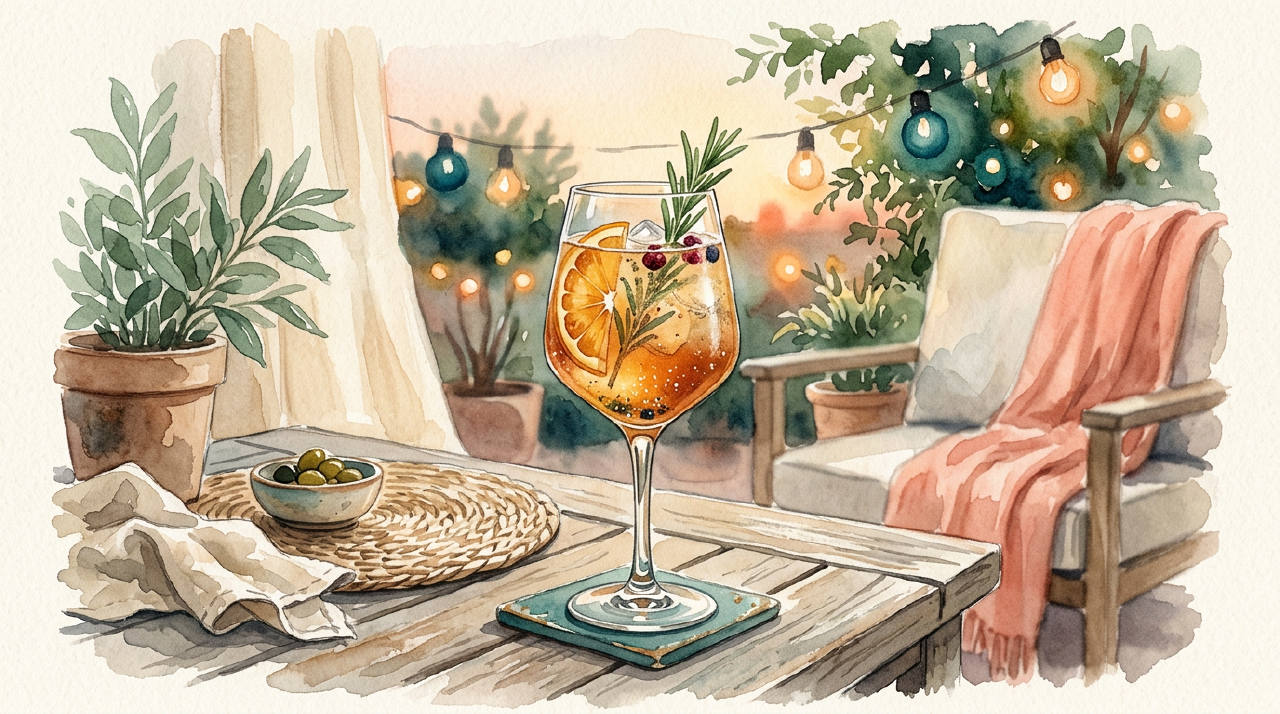
Why 'Sober Curious' Has Become a Mental Health Movement
I remember the exact moment my own curiosity sparked. It was at a friend's birthday party, surrounded by the familiar chorus of clinking glasses and easy laughter. Someone handed me a craft cocktail,
I remember the exact moment my own curiosity sparked. It was at a friend's birthday party, surrounded by the familiar chorus of clinking glasses and easy laughter. Someone handed me a craft cocktail, and as I took a reflexive sip, a quiet question surfaced in my mind: Why am I drinking this right now? It wasn't about judgment or a desire to quit entirely. It was a gentle, persistent nudge to examine a habit I'd accepted as a default part of socializing, relaxing, and celebrating. This small moment of inquiry was my entry into the sober curious movement—a journey I’ve since realized is less about giving something up and more about gaining something profound: a clearer, more intentional relationship with my own mental health. It’s a quiet revolution, and it’s reframing how we think about wellness, one mindful sip (or non-sip) at a time.
[[IMAGE:fig1|A person looking thoughtfully at a fancy cocktail in their hand at a social gathering. Their expression is contemplative, not sad. The background is softly blurred.|A close-up shot of a person's hands holding an ornate, colorful cocktail at a lively but out-of-focus party. The person's face is partially visible, with a pensive and curious expression, as if they are questioning the drink in their hand. The lighting is warm and inviting.]]
What Exactly Is the 'Sober Curious' Movement?
Being "sober curious" means choosing to consciously question or change your drinking habits for reasons related to physical or mental well-being. It’s not about a formal diagnosis or a lifetime commitment to abstinence, but rather a mindful exploration of your personal relationship with alcohol. This lifestyle choice exists on a spectrum, from taking a month off drinking (like during "Dry January") to permanently swapping alcoholic drinks for creative alternatives, all without the pressure of applying a specific label.
The term, popularized by author Ruby Warrington in her book Sober Curious, gives a name to a growing sentiment: the questioning of alcohol's default role in our lives. For generations, sobriety was primarily discussed in the context of Alcoholics Anonymous (AA) and addiction recovery—a necessary and life-saving framework for those with alcohol use disorder. The sober curious movement, however, opens a different door. It creates a space for the "gray area" drinker—the person who may not have a rock-bottom story but still feels that alcohol is taking more than it’s giving. It’s a shift from a mindset of deprivation ("I can't drink") to one of curiosity and empowerment ("What would my life feel like without alcohol?"). 🌱
This approach is inherently non-judgmental. It invites you to become an observer of your own life. You might ask yourself:
- Do I rely on alcohol to feel comfortable in social situations?
- How does drinking really affect my sleep and energy levels the next day?
- Am I drinking out of habit, or is it a truly intentional choice?
- What other rituals could I use to unwind or celebrate?
By asking these questions, you empower yourself to make choices that align more closely with your wellness goals, turning an automatic behavior into a conscious decision.
My Thesis: More Than a Trend, It's a Mental Health Strategy
Here is my core belief, forged through personal experience and countless conversations: The sober curious movement is one of the most practical and accessible mental health strategies to emerge in the last decade. It’s not just a fleeting wellness trend or a new form of prohibition. It is a proactive, preventative act of self-care that directly addresses three pillars of our well-being: our neurochemistry, our social connections, and our personal rituals. By choosing to be more mindful about alcohol, we are not simply removing a substance; we are actively cultivating better sleep, reducing anxiety, building more authentic relationships, and reclaiming our mental and emotional energy. It’s a powerful lever for improving our day-to-day mental state, available to anyone willing to get a little curious.
The Science-Backed Link: Alcohol's Real Impact on Your Mind
To understand why being sober curious is a mental health strategy, we first need to be honest about what alcohol—even in moderate amounts—does to our brains. While often marketed as a tool for relaxation and fun, alcohol is a central nervous system depressant that can create a volatile cycle of highs and lows.
The Anxiety-Alcohol Feedback Loop
Many of us reach for a drink to "take the edge off" social anxiety or a stressful day. And in the short term, it works. Alcohol enhances the effect of GABA (gamma-aminobutyric acid), our brain’s primary inhibitory neurotransmitter. This creates a temporary feeling of calm and relaxation. However, the brain, always seeking balance, quickly adapts. It down-regulates its natural GABA production and ramps up glutamate, an excitatory neurotransmitter.
When the alcohol wears off, you're left with a nervous system that’s out of whack: low on calming GABA and high on stimulating glutamate. The result? A state of heightened anxiety, irritability, and restlessness often called "hangxiety." 💧 This feedback loop is insidious: you drink to relieve anxiety, and the aftermath of drinking creates even more anxiety, making you feel like you need another drink. Choosing to be sober curious helps you step off this rollercoaster, allowing your brain chemistry to find its natural, stable equilibrium.
Disrupting Your Sleep Architecture
A good night's sleep is arguably the foundation of good mental health. Many people believe a "nightcap" helps them sleep, and while alcohol is a sedative that can help you fall asleep faster, the quality of that sleep is severely compromised. Alcohol significantly suppresses REM (Rapid Eye Movement) sleep, the critical stage for memory consolidation, emotional regulation, and learning.
By trading a glass of wine for a full night of restorative REM sleep, you are making a direct investment in your next day’s resilience, emotional stability, and cognitive function.
As the night progresses and the alcohol is metabolized, your body experiences a "rebound effect," often causing you to wake up multiple times in the second half of the night. This fragmented, poor-quality sleep leaves you feeling groggy and emotionally raw the next day, contributing to poor focus, low mood, and increased stress. When you reduce or eliminate alcohol, you give your body the gift of genuine, restorative rest—a non-negotiable for mental clarity and stability. 🧘
Dopamine, Depression, and the Diminishing Returns
Alcohol also hijacks our brain's reward system. The initial buzz from drinking triggers a release of dopamine, the "feel-good" neurotransmitter associated with pleasure and motivation. This creates a powerful, albeit temporary, feeling of euphoria and reward. However, with repeated use, the brain's reward pathways become less sensitive. You need more alcohol to achieve the same dopamine spike, while your baseline level of happiness and motivation may decrease.
This can contribute to a low-grade state of anhedonia (the inability to feel pleasure from normal activities) or even symptoms of depression. The very thing you might be using to "lift your spirits" could be systematically lowering your capacity for joy in the long run. Stepping back allows your dopamine receptors to reset, helping you find pleasure and contentment in everyday life again. ✨
[[IMAGE:fig2|A person sitting peacefully on a park bench in the early morning, holding a warm mug of tea. The sun is rising, casting a golden glow. Their expression is calm and content.|A serene, wide shot of a person enjoying a sunrise in a beautiful natural setting, like a park or by a lake. They are holding a mug, suggesting a morning ritual. The atmosphere is peaceful and optimistic, conveying a sense of mental clarity and renewal.]]
Reclaiming Your Time and Energy for Genuine Connection
Beyond the neurochemical benefits, being sober curious has a profound impact on our social and emotional lives. It forces us to develop new tools for connection and frees up an incredible amount of time and energy that was previously lost to drinking and recovering.
Moving Beyond 'Liquid Courage'
For many, alcohol is a social lubricant—a quick fix for shyness or insecurity. While "liquid courage" can feel helpful in the moment, it can also become a crutch that prevents us from developing genuine self-confidence and authentic social skills. When you navigate social events without alcohol, you are pushed to rely on your true self. It can be uncomfortable at first, but it's also an incredible opportunity for growth. You learn to:
- Listen more attentively.
- Engage in deeper, more meaningful conversations.
- Be present with your feelings, even discomfort.
- Build confidence based on your personality, not a substance.
This process cultivates a robust sense of self-assurance that is far more durable than any buzz. You realize that you are enough, just as you are.
The Gift of Presence 🌿
Think about the time and energy alcohol can consume. It's not just the hours spent drinking; it's the sluggish mornings, the foggy afternoons, the cancelled plans, and the mental energy spent recovering. When you reclaim that time, you open up space for things that truly nourish your soul. This could be a new hobby, more time in nature, deeper connections with loved ones, or simply the quiet peace of a clear-headed weekend morning. This newfound presence allows you to engage with your life more fully and intentionally, which is a cornerstone of mental wellness.
Here's a look at how the sober curious mindset differs from more traditional approaches to sobriety, highlighting its unique accessibility.
| Feature | Traditional Sobriety (e.g., AA Model) | Sober Curious Approach |
|---|---|---|
| Primary Goal | Complete and lifelong abstinence. | Mindful drinking; reducing or eliminating alcohol to improve well-being. |
| Identity/Label | Often involves identifying as an "alcoholic" or "in recovery." | Avoids labels; focuses on behavior and choice, not identity. |
| Framework | Typically structured, often involving steps, sponsorship, and group meetings. | Unstructured and highly personal; self-directed exploration. |
| Starting Point | Often initiated by a "rock bottom" moment or a diagnosis of Alcohol Use Disorder. | Initiated by curiosity, wellness goals, or a desire for self-optimization. |
| Flexibility | All-or-nothing approach; a single drink is considered a relapse. | Flexible and non-linear; periods of drinking and not drinking are part of the exploration. |
The Sober Curious Toolkit: Mindful Alternatives and New Rituals
Exploring a sober curious life doesn't mean your social life is over. In fact, it's an invitation to get creative and build new, healthier rituals. The market has exploded with sophisticated and delicious alternatives to alcohol.
A World of Flavorful Alternatives:
- Non-Alcoholic Spirits: Brands like Seedlip, Ritual, and Lyre's create complex botanicals that mimic gin, whiskey, and tequila for sophisticated cocktails.
- Adaptogenic Drinks: Beverages from brands like Kin Euphorics or Psychedelic Water contain adaptogens (like rhodiola and L-theanine) designed to lift your mood or help you relax without alcohol.
- Hop Water & Shrubs: Sparkling hop water provides the bitter, refreshing notes of an IPA with zero alcohol or calories. Drinking vinegars, or shrubs, offer a tangy, complex base for mocktails.
- Artisanal Teas & Kombuchas: Exploring the world of high-quality teas and fermented kombuchas can become a ritual in itself.
The key is to replace the ritual, not just the liquid. Instead of pouring a glass of wine to signal the end of the workday, try brewing a special pot of tea or mixing a beautiful mocktail in a fancy glass. The physical act of preparing and savoring a drink can be just as relaxing, without the negative side effects.
This simple chart illustrates the "hangxiety" effect—the initial mood boost from alcohol followed by the inevitable crash below your baseline.
      ^ Mood
      |
  +3  |      xxxxx
  +2  |    xx     xx
  +1  |  xx         xx
------|xx-------------xxxxxxxxxx Baseline Mood
  -1  |                 xx
  -2  |                   xx
  -3  |                     xxxx  (Anxiety/Low Mood)
      |
      +----------------------------------------> Time
          ^
        Drinking
Being sober curious is about trying to live more consistently at that baseline, or even slightly above it, without the artificial peaks and deep valleys. 📊
What Critics Say: Is 'Sober Curious' Just a Privileged Wellness Trend?
No movement is without its critics, and the sober curious phenomenon is no exception. A primary criticism is that it's a "lifestyle choice" for the privileged—those whose drinking hasn't tipped over into severe Alcohol Use Disorder (AUD). Critics argue that framing sobriety as a cool, aspirational wellness trend can feel trivializing to those in life-or-death recovery. They suggest it co-opts the language of addiction and recovery without acknowledging the severity of the disease for many. Furthermore, the high price point of many chic non-alcoholic spirits and elixirs can make the movement feel exclusive and out of reach.
A Rebuttal: A Wider Gate, Not a Replacement
I believe this criticism, while valid in some respects, misses the larger point. The sober curious movement is not meant to replace clinical treatment or recovery programs like AA. Instead, it should be seen as a public health positive—a "wider gate" that invites a much broader population to mindfully examine their relationship with alcohol before it becomes a crisis. 💡
It serves as a crucial preventative measure. By normalizing conversations about taking breaks from drinking and questioning its role in our lives, we de-stigmatize sobriety and create a culture where people feel empowered to make healthier choices without needing to hit "rock bottom." It provides a valuable on-ramp for individuals who might be on a slippery slope, offering them a chance to self-correct with support and community. It’s not about diluting the message of recovery; it’s about expanding the conversation around alcohol to include everyone, creating a healthier, more intentional drinking culture for all. 🕊️
Frequently Asked Questions (FAQ)
I'm sober curious, but how do I handle social pressure to drink?
This is the most common challenge! Start by having a drink in your hand—sparkling water with lime in a cocktail glass works wonders, as most people won't even ask. If they do, have a simple, confident answer ready. You don't owe anyone a long explanation. Try: "I'm taking a break for a bit for health reasons," or "I'm good for now, thanks!" Confidence is key.
Does being sober curious mean I have a drinking problem?
Not at all. In fact, it's often the opposite. Being sober curious is a proactive and conscious choice made from a place of strength and self-awareness, not a reaction to a loss of control. It’s about optimizing your well-being. However, if you find that you cannot control your drinking once you start, or that you experience withdrawal symptoms when you stop, it's important to seek professional guidance.
Do I have to quit alcohol forever to be sober curious?
Absolutely not. The beauty of the sober curious movement is its flexibility. It's not a rigid set of rules. For some, it might mean a month-long reset. For others, it might mean only drinking on special occasions, or deciding to stop completely. The goal is intention. You get to define what success looks like for you.
When to See a Professional
The sober curious path is a wonderful tool for self-exploration and wellness. However, it is not a substitute for medical advice or treatment for Alcohol Use Disorder (AUD). It may be time to speak with a doctor, therapist, or addiction specialist if you:
- Find you are unable to control the amount you drink.
- Have a persistent desire to cut down but are unable to.
- Experience withdrawal symptoms (like shaking, sweating, or nausea) when you stop drinking.
- Continue to drink despite it causing problems in your relationships, work, or health.
- Spend a great deal of time obtaining, using, or recovering from alcohol.
Your well-being is the top priority. Reaching out for help is a sign of immense strength.
Here at Araam, we believe that self-awareness is the first step toward a healthier mind. Our app provides tools for journaling, mood tracking, and guided meditations that can support you on your sober curious journey, helping you connect the dots between your habits and your feelings. Whatever your path, we’re here to support you in finding more peace and clarity.