Coffee and Anxiety: 7 Widely Believed Myths, Debunked
For many of us, the morning doesn't truly begin until the rich, dark aroma of coffee fills the air. It's a ritual, a comfort, a jolt of liquid productivity that helps us face the day. But for those of
For many of us, the morning doesn't truly begin until the rich, dark aroma of coffee fills the air. It's a ritual, a comfort, a jolt of liquid productivity that helps us face the day. But for those of us who also navigate the currents of anxiety, this beloved beverage can feel like a complicated friend. One day it’s a supportive boost, the next it’s a one-way ticket to jitters, racing thoughts, and a heart that won’t stop fluttering. This complicated relationship has spawned a host of myths, leaving many to wonder if they must choose between their morning cup and their mental peace. The truth, however, is far more nuanced and personal than a simple "yes" or "no." It’s time we brewed a fresh perspective, grounded in science, to understand the real connection between coffee and anxiety.
Understanding the Connection: How Caffeine Actually Works
Before we can debunk the myths, it's essential to understand what caffeine is actually doing in our bodies and brains. The primary reason caffeine makes us feel alert is its interaction with a neurotransmitter called adenosine.
Throughout the day, adenosine builds up in your brain. It binds to specific receptors, which slows down nerve cell activity, leading to feelings of tiredness and sleepiness. Think of adenosine as a natural "dimmer switch" for your brain. 🕊️
Caffeine is a master of disguise. Its molecular structure is remarkably similar to adenosine. When you drink coffee, caffeine travels to your brain and fits into the adenosine receptors, essentially blocking adenosine from doing its job. Instead of dimming, your brain's lights stay on. This blockade also allows other stimulating neurotransmitters, like dopamine and norepinephrine, to have a more pronounced effect, further increasing alertness, focus, and sometimes, a sense of well-being.
However, this same mechanism can trigger the body's "fight or flight" response. The increase in stimulating neurotransmitters can lead to elevated heart rate, restlessness, and nervousness—symptoms that overlap significantly with those of anxiety. The key takeaway is that caffeine isn't inherently "good" or "bad"; it's a powerful psychoactive substance whose effects are deeply dependent on dose, timing, and your unique biology.
The Myth-Busting Section: 7 Common Beliefs About Coffee and Anxiety
With that foundational knowledge, let's explore the most common myths surrounding coffee and its impact on our mental state. You might be surprised to find that your personal coffee ritual has more room for adjustment than you think.
Myth 1: A Single Cup of Coffee Will Always Make Anxiety Worse
The common belief: If you have anxiety, any amount of coffee is a bad idea. One cup is enough to guarantee a day of jitters and racing thoughts.
What is actually true: The effect of coffee on anxiety is overwhelmingly dose-dependent. For many people, a small to moderate amount of caffeine can be consumed without a significant negative impact on their anxiety levels.
Evidence: The U.S. Food and Drug Administration (FDA) cites up to 400 milligrams of caffeine a day—equivalent to about four 8-ounce cups of brewed coffee—as an amount not generally associated with dangerous, negative effects for healthy adults. However, for individuals with anxiety or caffeine sensitivity, the threshold for negative effects is much lower. Research in the journal General Hospital Psychiatry found that patients with panic disorder were particularly sensitive to the anxiety-producing effects of caffeine. A "standard" 95mg cup of coffee might feel fine, but a 16-ounce large from a coffee shop, containing over 300mg, could easily push someone over their personal limit, triggering anxiety symptoms. The key is finding your personal dose threshold, not adhering to an all-or-nothing rule.
Myth 2: Coffee Affects Everyone the Same Way
The common belief: My friend can drink an espresso after dinner and sleep like a baby, while a morning latte makes me anxious all day. It must be a willpower issue.
What is actually true: Your genetics play a massive role in how you metabolize caffeine, radically altering its effects. It has nothing to do with willpower.
Evidence: The primary enzyme responsible for breaking down caffeine in the liver is called CYP1A2. Variations in the gene that codes for this enzyme determine whether you are a "fast" or "slow" metabolizer of caffeine.
- Fast Metabolizers: Have a variant of the
CYP1A2gene that produces a highly efficient enzyme. They clear caffeine from their system quickly, experiencing a shorter, sharper burst of energy and fewer lingering side effects. - Slow Metabolizers: Have a different genetic variant that produces a less efficient enzyme. Caffeine stays in their system much longer, leading to a prolonged effect. These individuals are far more likely to experience jitters, sleep disruption, and caffeine-induced anxiety, even from moderate doses. A 2018 study in Nutrients confirmed that slow metabolizers are more susceptible to caffeine's negative cardiovascular and neurological effects.
Myth 3: Decaf Is Completely "Safe" and Caffeine-Free
The common belief: If regular coffee makes me anxious, I can switch to decaf and drink as much as I want without any caffeine-related side effects.
What is actually true: Decaffeinated coffee is not caffeine-free. It contains small, variable amounts of caffeine that can add up and still affect highly sensitive individuals.
Evidence: Regulations require that decaf coffee has at least 97% of its caffeine removed. However, that remaining 3% isn't zero. An 8-ounce cup of decaf coffee can contain anywhere from 2 to 15 milligrams of caffeine. While this may seem negligible, for a "slow metabolizer" or someone with a severe anxiety or panic disorder, drinking several cups of decaf throughout the day could deliver a cumulative dose of 30-50mg or more—enough to subtly elevate anxiety or disrupt sleep patterns without the person ever realizing the source. 💧
Myth 4: The Jitters and Anxious Buzz Are an Unavoidable Part of Coffee
The common belief: If you drink coffee for the energy, you just have to accept the physical side effects like shaky hands and a racing mind.
What is actually true: You can significantly mitigate the anxious side effects of coffee by being mindful of how and with what you consume it.
Evidence:
- Never Drink on an Empty Stomach: Consuming caffeine alongside food, especially a balanced meal with protein, fat, and fiber, slows its absorption into the bloodstream. This leads to a smoother, more gradual rise in energy rather than a sudden, jarring spike that can trigger anxiety.
- Hydrate: Caffeine is a mild diuretic. Dehydration itself can cause symptoms that mimic anxiety, such as dizziness and heart palpitations. Drinking a glass of water for every cup of coffee can help counteract this.
- Pair with L-theanine: This amino acid, found naturally in green and black tea, is famous for promoting a state of "calm alertness." Studies, such as one published in the Journal of Medicinal Food, show that combining L-theanine with caffeine can enhance cognitive performance and focus while reducing the jittery, anxious side effects of caffeine alone. You can find L-theanine as a supplement to take with your morning cup. 🌿
Myth 5: You Can't Build a Tolerance to Caffeine's Anxious Effects
The common belief: If coffee makes you anxious, it will always make you anxious, no matter how often you drink it.
What is actually true: The body builds tolerance to some of caffeine's effects (like alertness) more quickly than others (like anxiety). For some, regular use may even increase anxiety's grip.
Evidence: When you regularly consume caffeine, your brain compensates for the blocked adenosine receptors by creating more of them. This is why you need more caffeine over time to achieve the same level of alertness—this is classic tolerance. However, the body's stress-response system (the hypothalamic-pituitary-adrenal or HPA axis) doesn't seem to habituate in the same way. A 2005 study showed that while some cardiovascular responses to caffeine diminished with regular use, cortisol (the "stress hormone") levels remained elevated. For someone prone to anxiety, this means that even as you need more coffee to feel awake, each cup might still be contributing to your physiological stress load.
Myth 6: An Afternoon Coffee Won't Affect Your Sleep or Anxiety
The common belief: As long as I have my last cup before 4 PM, it won't mess with my sleep.
What is actually true: Caffeine has a long half-life, meaning a significant amount can remain in your system at bedtime, disrupting sleep quality and increasing next-day anxiety.
Evidence: The average half-life of caffeine is about 5 to 6 hours for a healthy adult (and much longer for slow metabolizers). This means if you drink a 200mg coffee at 3 PM, you could still have 100mg in your system at 8 PM, and 50mg in your system at 1 AM. Even if you manage to fall asleep, this residual caffeine can prevent you from entering the deepest, most restorative stages of sleep. Poor sleep is a major driver of anxiety. A study in Nature Human Behaviour showed that a sleepless night can lead to a 30% rise in anxiety levels. That afternoon coffee creates a vicious cycle: it disrupts sleep, which in turn elevates anxiety the next day, making you feel like you need more coffee to cope. ✨
Myth 7: Quitting Coffee "Cold Turkey" Is the Best Way to Reduce Anxiety
The common belief: The fastest way to see if coffee is causing my anxiety is to stop drinking it immediately.
What is actually true: Abruptly stopping caffeine can induce withdrawal, a process with symptoms that can mimic or dramatically worsen anxiety, leading to the false conclusion that you "need" coffee to function.
Evidence: Caffeine withdrawal is a recognized clinical syndrome. When you suddenly stop blocking those extra adenosine receptors your body has built, adenosine floods them, causing a range of unpleasant symptoms. According to research summarized by the Johns Hopkins School of Medicine, these include:
- Intense headaches
- Fatigue and lethargy
- Depressed mood
- Difficulty concentrating
- Irritability and anxiety
These symptoms can be so severe that they can be mistaken for a depressive or anxiety episode, making it difficult to assess the true baseline. A much gentler and more sustainable approach is to taper your intake slowly, reducing by about 25% each week, allowing your brain chemistry to gradually re-adapt. 🌱
Your Personal Caffeine Blueprint: Finding Your Sweet Spot
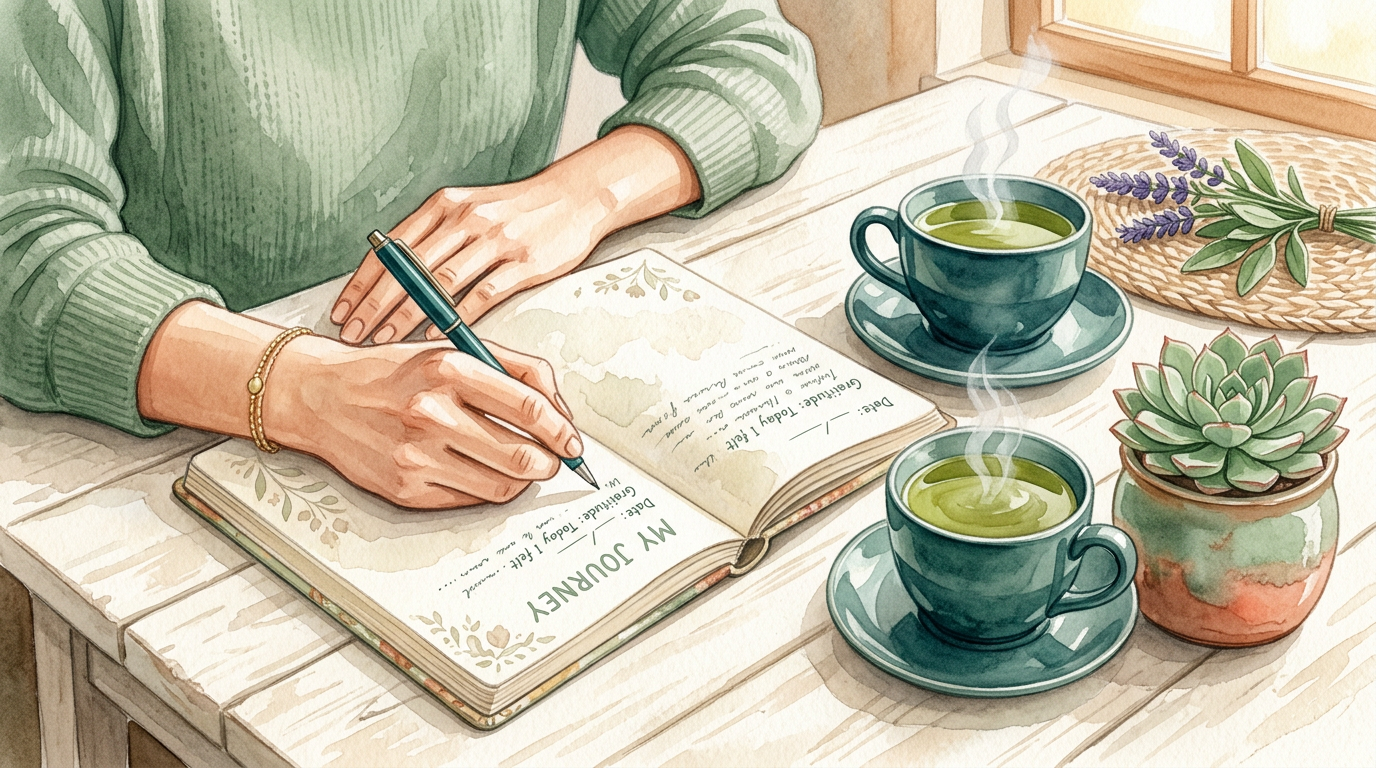
The science is clear: there is no one-size-fits-all rule for coffee and anxiety. The journey to a peaceful relationship with caffeine is one of self-discovery. Here's how to create your own personal blueprint.
Start with a Self-Audit
For one or two weeks, keep a simple journal. Track the following:
- What: What kind of caffeinated beverage did you have? (brewed coffee, espresso, tea, etc.)
- How Much: What was the approximate size and strength?
- When: What time of day did you drink it?
- Context: Did you drink it on an empty stomach or with food?
- How You Felt: Note your anxiety levels (e.g., on a scale of 1-10), energy, focus, and any physical symptoms (jitters, racing heart) in the hours that follow.
- Sleep Quality: Note how well you slept that night.
This data is your most powerful tool. It will reveal patterns you never noticed. 💡
Understand Your Potential Genetic Predisposition
While consumer genetic tests that report on the CYP1A2 gene should be interpreted with caution, they can offer a clue. Do you suspect you're a "slow metabolizer"? If one cup in the morning leaves you wired all day, or if you have a strong family history of caffeine sensitivity, it's wise to act as if you are. This means being extra cautious with dosage and timing, setting a much earlier cutoff time (like noon), and sticking to smaller serving sizes.
Practice Mindful Consumption
Turn your coffee break into a moment of mindfulness rather than a frantic gulp for fuel.
- Set a Cutoff Time: Based on your sleep audit, establish a strict "last call" for caffeine. For many, this is around 12 PM or 1 PM.
- Pair It Wisely: Always try to have your coffee with or after a meal containing protein and healthy fats.
- Measure Your Dose: Switch from a giant mug to a smaller 8-ounce cup. Consider making your coffee half-caf to easily reduce your intake without sacrificing the ritual.
- Listen to Your Body: The most important rule. If you're already feeling anxious, an extra cup of coffee is like pouring gasoline on a fire. Opt for herbal tea or a short walk instead. 🧘
A Deeper Look: Visualizing Caffeine's Half-Life 📊
To truly appreciate the impact of that afternoon cup, it helps to visualize how long caffeine lingers. The following chart illustrates the breakdown of a single 200mg dose of caffeine, assuming an average 5-hour half-life. For slow metabolizers, this process can take twice as long.
Time Post-Coffee | Caffeine Remaining in System
-----------------|-------------------------------
0 Hours          | ########## (200mg)
5 Hours          | #####      (100mg)
10 Hours         | ##         (50mg)
15 Hours         | #          (25mg)
20 Hours         |            (12.5mg)
As you can see, a full 10 hours after your coffee, you can still have the equivalent of a small cup of tea's worth of caffeine circulating in your bloodstream—more than enough to impact the delicate architecture of your sleep.
"Many people don't connect their poor sleep and heightened anxiety to the coffee they drank nine hours earlier. They wake up tired and anxious, reach for more coffee to compensate, and perpetuate a cycle of sleeplessness and stress. Mastering your caffeine timing is one of the most impactful, non-obvious ways to protect your mental well-being."
Summary of Coffee & Anxiety Myths
Here's a quick reference table to summarize what we've learned.
| Myth | The Evidence-Based Reality |
|---|---|
| Coffee always causes anxiety. | The effect is dose-dependent. Small amounts may be fine; large amounts are more likely to trigger anxiety. |
| Coffee affects everyone the same. | Genetics (CYP1A2 gene) determine if you are a "fast" or "slow" metabolizer, drastically changing its impact. |
| Decaf is completely caffeine-free. | Decaf contains 2-15mg of caffeine per cup, which can add up and affect sensitive individuals. |
| Jitters are an unavoidable side effect. | They can be mitigated by pairing coffee with food, staying hydrated, and supplementing with L-theanine. |
| You can't build tolerance to the anxious effects. | Your body builds tolerance to alertness faster than to stress responses like cortisol production. |
| An afternoon coffee is harmless for sleep. | With a 5+ hour half-life, afternoon coffee significantly disrupts sleep quality, which in turn increases next-day anxiety. |
| Quitting cold turkey is the best strategy. | Tapering off caffeine slowly is far better to avoid withdrawal symptoms like headaches and irritability, which mimic anxiety. |
Frequently Asked Questions (FAQs)
Q: What is a "safe" amount of coffee if I have anxiety? A: There is no universal "safe" amount—it is highly individual. While the FDA suggests up to 400mg for healthy adults, if you have an anxiety disorder or are a slow caffeine metabolizer, your personal limit may be much lower, perhaps under 100mg (about one 8-ounce cup). The best approach is to use a self-audit journal to find the dose and timing that works for you without exacerbating symptoms.
Q: Can I still enjoy the ritual of a warm drink without the anxiety? A: Absolutely! There are many wonderful, calming alternatives. Herbal teas like chamomile, peppermint, or ginger are caffeine-free and have soothing properties. Green tea contains less caffeine than coffee and also has L-theanine, which promotes calm. Even a high-quality decaf (consumed in moderation) or a warm mug of golden milk (turmeric latte) can satisfy the ritualistic comfort of a hot beverage.
Q: How do I know if my anxiety is caused by coffee or something else? A: The best way to test this is through a careful "elimination and reintroduction" experiment. Taper off caffeine slowly over two weeks until you are at zero. Stay off caffeine completely for another two weeks, journaling your anxiety levels and sleep quality. Then, slowly reintroduce a small amount (e.g., a half-cup of coffee in the morning) and see how you feel. This controlled experiment, combined with the insights from your journal, will give you a much clearer picture of caffeine's role in your personal anxiety story.
When to See a Professional
This article is for informational purposes and is not a substitute for professional medical advice. While adjusting your caffeine intake can be a powerful tool for managing anxiety symptoms, it may not be the whole picture. If you are experiencing persistent, disruptive anxiety, it is essential to speak with a healthcare professional, such as a doctor, psychiatrist, or therapist. They can help you identify the root causes of your anxiety and develop a comprehensive treatment plan.
And for daily support in understanding your patterns, consider using Araam. The guided journaling and mood-tracking features in the app are perfect for conducting your own caffeine audit, helping you connect the dots between your daily habits and your mental well-being, one mindful sip at a time.