
Coffee and Anxiety: 7 Widely Believed Myths, Debunked
For millions of people worldwide, the morning ritual begins with the comforting aroma of freshly ground beans, the reassuring hiss of hot water, and that first rich, grounding sip. Yet for those who n
For millions of people worldwide, the morning ritual begins with the comforting aroma of freshly ground beans, the reassuring hiss of hot water, and that first rich, grounding sip. Yet for those who navigate nervous tension, that beloved ritual can quickly turn into a double-edged sword: a racing heart, shallow breath, a knot in the stomach, and a sudden cascade of catastrophic thoughts. It is easy to point an accusatory finger at your mug and declare coffee the ultimate villain of your peace of mind. The biological reality, however, is far more complex and personal. The relationship between coffee and anxiety is not an on-off switch—it is an intricate dance dictated by your unique liver enzymes, neurological receptor variations, hormonal timing, and acquired tolerance.

Understanding Caffeine and the Central Nervous System
Caffeine acts as a central nervous system stimulant primarily by functioning as an adenosine receptor antagonist. Under normal baseline conditions, a neurochemical called adenosine accumulates in your brain throughout your waking hours, gradually binding to $A_1$ and $A_{2A}$ receptors to signal that it is time to slow down, wind down, and sleep. Because caffeine shares a strikingly similar molecular structure to adenosine, it slips effortlessly into these receptor sites without activating them, essentially wedging the lock so the key cannot turn.
When adenosine is blocked, your brain's natural braking system is temporarily deactivated. In response, secondary neurotransmitters like dopamine and glutamate surge, triggering the pituitary gland to signal the adrenal glands. What follows is a mild activation of the sympathetic nervous system—your classic "fight-or-flight" response—accompanied by the release of adrenaline and cortisol.
Adenosine vs. Caffeine Receptor Binding Dynamics
===================================================================
Normal Physiology (No Caffeine):
[Adenosine] ---> [Receptor Site (A1/A2A)] ===> Sensation of Calm & Fatigue

With Caffeine Ingestion:
[Caffeine]   ---> [Receptor Site (A1/A2A)] ===> Adenosine Blocked!
                                                |
                                                +-> Epinephrine / Adrenaline Release
                                                +-> Increased Heart Rate & Vigilance
                                                +-> Perceived Anxiety / Jitters
===================================================================
For someone whose nervous system is already operating at high baseline tension, this pharmacologically induced alert state can feel indistinguishable from psychological panic. Your brain notices the elevated pulse and sweating palms, conducts a swift threat assessment, and fabricates worry to explain why your body feels so alarmed. 🕊️
The Genetics of Jitters: CYP1A2 and Caffeine Sensitivity
Why can your coworker drink an espresso after dinner and sleep soundly, while three sips of drip coffee leave you vibrating with dread before noon? The answer lies largely in your DNA—specifically within a hepatic enzyme known as cytochrome P450 1A2 (CYP1A2), which handles approximately 95% of caffeine metabolism in the human liver.
Genetic variations in the CYP1A2 gene divide humanity into two distinct metabolic camps:
- Fast Metabolizers (AA genotype): Individuals who carry two copies of the CYP1A2*1A allele clear caffeine out of their blood rapidly. They experience an initial alertness boost without a prolonged, lingering physiological burden.
- Slow Metabolizers (AC or CC genotypes): Those carrying the CYP1A2*1F allele produce an enzyme that breaks down caffeine at a significantly slower pace. For slow metabolizers, a single morning cup can remain in systemic circulation well past twilight, accumulating over days and keeping baseline cortisol elevated.
Alongside CYP1A2, variations in the ADORA2A gene alter the sensitivity of adenosine receptors themselves. Research published in Neuropsychopharmacology reveals that individuals with specific ADORA2A polymorphisms report significantly higher levels of subjective anxiety and panic-like reactions after even low doses of caffeine (100–150 mg), independent of how fast their liver clears the drug.
If you identify with the following signs, your biology may place you squarely in the slow-metabolizing or hyper-sensitive category:
- A morning cup causes heart fluttering or hand tremors that persist into the afternoon.
- You experience sleep fragmentation, nighttime wakefulness, or vivid dreams when consuming caffeine past 10:00 AM.
- Small shifts in brewing method or bean origin trigger disproportionate mood changes.
- Digestive distress, such as acid reflux or stomach cramping, directly tracks with your nervous tension.
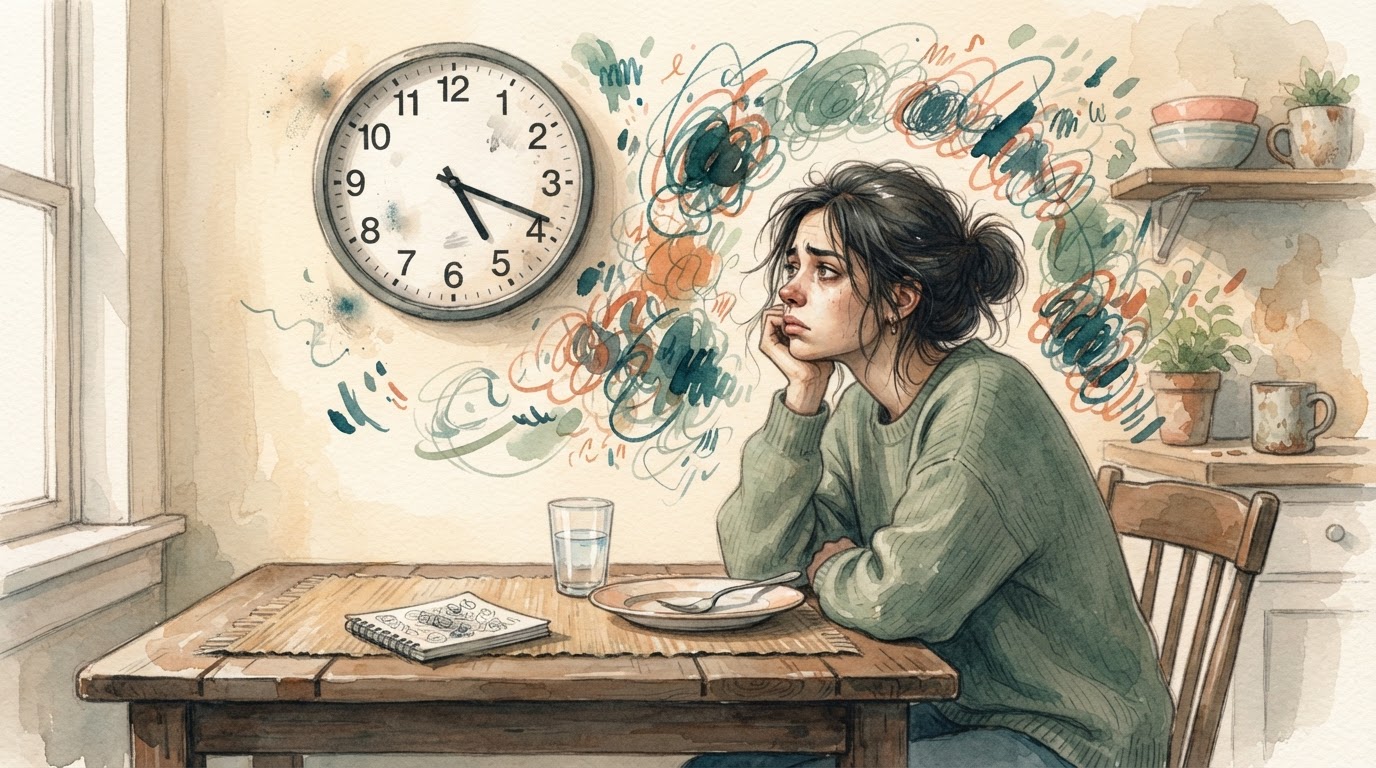
7 Coffee and Anxiety Myths, Debunked
Navigating coffee culture while managing anxiety requires separating cultural hyperbole from clinical research. Let us examine the seven most widespread myths about coffee, caffeine, and our mental health.
Myth 1: Coffee Directly Causes Clinical Anxiety Disorders
The common belief
Drinking coffee causes Generalized Anxiety Disorder (GAD) or triggers panic attacks out of thin air, meaning caffeine is the root cause of chronic mental distress.
What is actually true
Caffeine does not generate anxiety disorders from scratch; rather, it amplifies existing physiological vulnerabilities by mimicking panic-like symptoms.
Evidence
Clinical literature shows that caffeine functions as an anxiogenic agent primarily at high pharmacological doses (typically above 400–600 mg per day) or in individuals with pre-existing anxiety traits. A landmark study in the American Journal of Psychiatry demonstrated that while caffeine infusions induced panic attacks in over 70% of patients previously diagnosed with panic disorder, it caused panic in virtually none of the healthy control participants. Coffee is an amplifier, not the original composer. It raises sympathetic arousal—heart rate, peripheral vascular resistance, breath cadence—which the anxious brain subsequently misinterprets as imminent danger through a psychological process known as interoceptive hypersensitivity.
Myth 2: Decaf Coffee Is 100% Caffeine-Free and Completely Anxiety-Safe
The common belief
Switching to decaf completely removes caffeine from your diet, allowing you to drink unlimited quantities without any stimulant-related bodily sensations.
What is actually true
Decaffeinated coffee still contains measurable trace amounts of caffeine, and its natural acids and bioactive compounds can still stimulate physical sensations.
Evidence
Under United States FDA regulations, decaffeinated coffee must have at least 97% of its original caffeine removed. In practical terms, an 8-ounce cup of decaf coffee contains anywhere from 2 to 15 milligrams of caffeine, depending on bean varietal and processing (e.g., Swiss Water process versus chemical solvents). For an individual with profound ADORA2A gene sensitivity, drinking three to four cups of decaf across a morning can accumulate 40 to 60 mg of caffeine—a dose high enough to trigger physical tremors. Furthermore, the chlorogenic acids in decaf continue to stimulate stomach acid and gastric motility, which can provoke visceral sensations that sensitive nervous systems confuse with anxiety.
Myth 3: Dark Roast Has Way More Caffeine Than Light Roast
The common belief
Because dark roast tastes bolder, heavier, and more bitter, it must contain a much higher concentration of caffeine and will therefore trigger more acute jitters.
What is actually true
Light roast coffee typically contains slightly more caffeine by volume than dark roast, despite its gentler, fruitier flavor profile.
Evidence
Caffeine is an exceptionally stable chemical compound, but the intense heat and extended duration of dark roasting cause beans to expand and lose water weight. If you measure your coffee using a volume scoop (e.g., two tablespoons per cup), the denser light roast beans will pack more mass into the scoop, delivering more caffeine per cup than the expanded, lighter dark roast beans. If you measure by weight using a gram scale, the differences become negligible, with dark roast showing only an infinitesimal drop due to slight sublimation during thermal cracking. If a dark roast makes you feel more anxious, the culprit is often the bitter taste profile triggering conditioned anticipation, or gastric irritation from roasting byproducts, rather than an inflated caffeine payload.
Myth 4: You Should Cut Out Coffee Entirely if You Experience Stress
The common belief
Anyone experiencing high workplace stress, burnout, or generalized anxious feelings should immediately quit coffee cold turkey to restore balance.
What is actually true
Abruptly eliminating coffee often triggers acute caffeine withdrawal, which exacerbates anxiety, depression, and physical distress far more than sensible titration.
Evidence
Caffeine withdrawal is formally recognized in the DSM-5. When a daily consumer abruptly halts intake, the brain experiences an immediate rebound surge in adenosine binding, accompanied by cerebral blood vessel dilation. This manifests as throbbing vascular headaches, acute brain fog, deep irritability, dysphoria, and paradoxical rebound anxiety. Research suggests that for many individuals experiencing situational stress, eliminating the comfort and psychological grounding of their morning routine introduces unnecessary friction. A measured reduction (titrating down by 25–50 mg every three to four days) or moderating intake to a stable, modest therapeutic window (50–100 mg) is far more neurobiologically stable than cold-turkey cessation. 🌱
Myth 5: Drinking Coffee First Thing in the Morning Beats the Morning Slump Without Jitters
The common belief
Downing a cup of coffee the moment your eyes open clears away sleep inertia and prepares your nervous system for a calm, productive day.
What is actually true
Consuming caffeine immediately upon waking clashes with your body's natural cortisol peak, intensifying internal stress responses and setting you up for an afternoon crash.
Evidence
During the first 30 to 45 minutes after awakening, your body undergoes the Cortisol Awakening Response (CAR), an evolutionary mechanism designed to pull you out of slumber by rapidly elevating endogenous cortisol and blood glucose. When you flood your system with caffeine while cortisol is already at its circadian apex, you double down on hypothalamic-pituitary-adrenal (HPA) axis stimulation. This excessive hormonal surge frequently manifests as early-morning restlessness, agitation, and gut tightness. Clinical neuroscientists recommend delaying your first dose of caffeine by 60 to 90 minutes after waking. This window allows CAR to run its natural course and permits light morning light exposure to clear residual adenosine naturally, resulting in a cleaner, anxiety-free alertness curve. 💡
Myth 6: Tolerance Means Caffeine No Longer Affects Your Nervous System
The common belief
If you drink four cups a day and "feel nothing," your nervous system is fully immune to caffeine's ability to drive anxiety or impact your body.
What is actually true
Tolerance dampens the perceived subjective buzz, but your cardiovascular, endocrine, and sleep architecture remain susceptible to caffeine-induced disruption.
Evidence
While your brain attempts to reach homeostasis by upregulating (creating more) adenosine receptors to counter chronic caffeine intake, this adaptation is rarely complete. Studies in Psychosomatic Medicine indicate that while subjective mood effects diminish with regular use, caffeine's capacity to elevate blood pressure, boost circulating catecholamines (epinephrine), and degrade deep slow-wave sleep persists. Even if you don't feel "wired," nocturnal micro-arousals caused by evening-lingering caffeine deprive the brain of restorative delta sleep. The resulting chronic sleep fragmentation silently degrades emotional resilience, leaving you significantly more vulnerable to anxiety, emotional reactivity, and stress sensitivity the following day.
Myth 7: Anxious Feelings from Coffee Are All in Your Head
The common belief
If you feel nervous, panicky, or on edge after drinking coffee, you are simply overthinking, being neurotic, or struggling with psychological weakness.
What is actually true
Caffeine-induced nervous arousal is a genuine, measurable somatic state driven by autonomous neurochemical pathways, peripheral vasoconstriction, and heart-rate variability shifts.
Evidence
The sensation of coffee jitters is not an imagined psychological event. Caffeine acts directly on peripheral phosphodiesterase enzymes, prevents the breakdown of cyclic AMP (cAMP), and triggers calcium release in muscle tissues. This leads directly to peripheral arterial constriction, increased myocardial contractility, mild tachycardia, and micro-tremors in skeletal muscles. Through bottom-up somatopsychic signaling—where the vagus nerve and sensory pathways communicate peripheral bodily states upward to the insula and amygdala—your mind receives direct physiological messages that the body is in acute distress. It is entirely biological; your mind is simply trying to translate a chemical cascade into narrative meaning. 🌿
Coffee and Anxiety Myths vs. Evidence-Based Realities
To help you recalibrate your relationship with your daily brew, the following table synthesizes what science tells us about how coffee interacts with our bodies and minds:
| Common Myth | Biological Reality | Core Mechanism | Practical Strategy |
|---|---|---|---|
| Coffee directly causes anxiety disorders | It amplifies existing physiological sensitivity; does not generate clinical disorders alone. | Adenosine blockade ($A_{2A}$) and sympathetic nervous system activation. | Reduce dose below your individual jitter threshold; practice slow diaphragmatic breathing. |
| Decaf is 100% caffeine-free | Decaf contains trace amounts of caffeine (2–15 mg/cup) along with bitter acids. | Residual caffeine plus gastric/vagal stimulation. | Stick to Swiss Water Process decaf; limit total cups if hyper-sensitive. |
| Dark roast induces worse anxiety than light | Light roast is often denser and slightly higher in caffeine by volume. | Bean water loss and bean volume expansion during roasting. | Use a digital gram scale instead of a volume scoop to measure grounds precisely. |
| You must quit immediately during stress | Sudden cessation triggers severe adenosine rebound, headaches, and acute dysphoria. | Neurotransmitter disequilibrium and cerebral vasodilation. | Titrate down slowly over 2–3 weeks rather than quitting cold turkey. |
| Drink coffee immediately upon waking | Drinking coffee at waking compounds your natural cortisol spike, inducing anxiety. | Cortisol Awakening Response (CAR) interference. | Delay your first cup 60–90 minutes; hydrate with water and get sunlight first. |
| Tolerance protects you from all side effects | Subjective euphoria fades, but nocturnal heart-rate spikes and sleep loss continue. | Sleep architecture disruption (suppression of slow-wave sleep). | Implement an absolute caffeine curfew 8–10 hours prior to bedtime. |
| Caffeine anxiety is just mental weakness | Somatic reactions like muscle tremors and heart rate increases are real, measurable biology. | Increased cyclic AMP and peripheral sympathetic tone. | Acknowledge sensations as harmless chemical effects rather than personal danger. |
Mindful Brewing: How to Enjoy Coffee Without the Anxiety Spike
If you love coffee and do not wish to give it up entirely, you do not have to live in an all-or-nothing binary. Mindful consumption leverages nutritional biochemistry to preserve the sensory pleasure and cognitive clarity of coffee while keeping your nervous system grounded.
"When we understand the physical machinery of our bodies, we stop blaming our minds for feeling overwhelmed. Your coffee jitters aren't an emotional failing—they are simply chemistry asking for a gentle adjustment."
Here are several evidence-backed modifications to help you create an anxiety-conscious coffee ritual:
- Pair Caffeine with L-Theanine: Naturally found in green tea, the non-protein amino acid L-theanine crosses the blood-brain barrier to promote inhibitory alpha-brainwave activity. Studies demonstrate that combining 100 mg of caffeine with 200 mg of L-theanine produces heightened focus and alertness while neutralizing caffeine-induced blood pressure spikes, muscle tension, and jitteriness. ✨
- Never Drink on an Empty Stomach: When coffee hits an empty stomach, it speeds rapidly through the pyloric sphincter into the small intestine, triggering a sharp, precipitous spike in blood caffeine concentrations while stimulating excess gastric acid. Drinking coffee alongside or after a meal containing complex carbohydrates, protein, or healthy fats buffers gastric absorption, flattening the pharmacokinetic curve into a gentle, prolonged hill rather than a jagged peak. 💧
- Respect the 10-Hour Circadian Curfew: Because the average clearance half-life of caffeine ranges between 3 and 7 hours—and stretches up to 10 hours in slower metabolizers—a 2:00 PM latte can easily leave 25% of its stimulant load active in your brain at midnight. Cut off your intake at least 8 to 10 hours before your head hits the pillow to protect your deep restorative sleep stages.
- Embrace Half-Caff Blends: You can preserve your morning ritual and volume without overburdening your liver enzymes by blending regular coffee beans with high-grade, water-processed decaffeinated beans in a 50/50 or 25/75 ratio. This provides the warmth, taste, and sensory comfort of multiple cups while slashing systemic caffeine exposure.
- Rehydrate Before You Caffeinate: Because caffeine has a mild diuretic effect on caffeine-naive users and prompts early fluid excretion, waking up and drinking coffee immediately deepens mild overnight dehydration. Dehydration itself causes elevated heart rates and dizziness—symptoms your brain quickly conflates with anxiety. Drink 16 ounces of room-temperature water with a pinch of mineral sea salt before your first sip of coffee. 🧘
Frequently Asked Questions About Coffee and Mental Health
Does cold brew contain more caffeine than regular drip coffee?
Generally, yes. Cold brew uses a significantly higher ratio of coffee grounds to water and steeps over 12 to 24 hours, leading to a much more concentrated extraction. While cold brew tastes remarkably smooth and less acidic—which can deceive your palate into thinking it is gentler—an 8-ounce serving can contain anywhere from 150 to over 250 mg of caffeine, compared to roughly 95 to 140 mg in standard hot-drip coffee. If you are prone to anxiety, dilute cold brew concentrate thoroughly with water or milk.
Can switching to matcha eliminate caffeine-induced jitters?
Matcha often provides a smoother, less jarring cognitive lift for anxiety-prone individuals. Although matcha contains significant caffeine (around 60 to 70 mg per bowl), it naturally contains a high concentration of L-theanine, along with epigallocatechin gallate (EGCG). These compounds modulate caffeine's absorption, promoting sustained focus without the abrupt cardiovascular spikes and subsequent crashes typical of fast-digested coffee.
How long does it take for caffeine-induced anxiety to fade?
The acute peak of caffeine absorption occurs within 30 to 60 minutes after ingestion, which is when physiological symptoms like rapid heart rate, shaky hands, and internal restlessness feel most acute. For someone with average metabolism, these sensations begin to decline after 2 to 3 hours as the liver clears the initial surge. However, if you are a slow metabolizer or consumed a high dose, somatic anxiety can linger for 6 to 8 hours. Gentle movement, deep diaphragmatic breathing, and drinking water can help ease the physical discomfort as your body works through the dose. 📊
When to See a Professional
While adjusting your morning coffee habits can dramatically reduce physical shakiness and daily jitters, caffeine is rarely the sole architect of long-term psychological distress. If you regularly experience unmanageable dread, pervasive catastrophic thoughts, debilitating avoidance behavior, or spontaneous panic attacks that persist even in the total absence of caffeine, it is essential to seek guidance from a qualified mental health clinician or physician. Underlying conditions such as Generalized Anxiety Disorder, panic disorder, thyroid abnormalities, or iron deficiencies share symptoms with caffeine sensitivity and require compassionate, professional care.
Nurture Your Mind with Araam
Finding your personal equilibrium is a gentle, iterative process. Araam is here to help you unpack the dialogue between your physical habits and your emotional landscape. With mindful check-ins, guided somatic breathing practices to settle an overstimulated nervous system, and personalized reflections, Araam supports you in creating daily rituals that truly serve your peace. Take a mindful breath, explore your patterns, and build a calmer relationship with your body today.