
Intermittent Fasting and Mental Health: Read This Before You Start
In the endless scroll of wellness trends, intermittent fasting (or IF) often shines the brightest. Pitched as a simple yet powerful tool for weight loss, longevity, and metabolic health, its popularit
In the endless scroll of wellness trends, intermittent fasting (or IF) often shines the brightest. Pitched as a simple yet powerful tool for weight loss, longevity, and metabolic health, its popularity has skyrocketed. But as we focus on our bodies, it's easy to overlook a crucial question: What is intermittent fasting doing to our minds? Beyond the number on the scale, IF engages in a complex dance with our brain chemistry, mood, and cognitive function. This isn't just about when you eat; it's about how you feel, think, and show up in the world. Before you close your eating window for the day, let's open a conversation about the profound and often surprising links between fasting and your mental health.
[[IMAGE:fig1|A person sits by a large window with a glass of water, looking out thoughtfully as the early morning sun streams in, creating a calm and contemplative mood.|A serene, artistic photo of a person of indeterminate gender sitting by a large, clean window in a minimalist room. They are holding a simple glass of water. The early morning golden light is streaming in, casting long shadows. The mood is calm, pensive, and hopeful.]]
What Exactly Is Intermittent Fasting?
At its core, intermittent fasting is an eating pattern that cycles between periods of eating and voluntary fasting. It’s not a diet in the conventional sense, as it doesn’t dictate what foods to eat, but rather when to eat them. The underlying principle is to give your body a prolonged break from the constant work of digestion, allowing it to tap into different metabolic pathways and cellular repair processes that aren't as active when you're in a "fed" state.
The Science in a Nutshell: From Feasting to Fasting
When you eat, your body uses glucose from your food for energy, and your pancreas produces insulin to help shuttle that glucose into your cells. Any excess energy is stored for later, first as glycogen in your liver and muscles, and then as fat.
When you fast for an extended period (typically more than 12 hours), your body exhausts its readily available glucose and glycogen stores. To get the energy it needs, it begins a process called metabolic switching. Your insulin levels drop, and your body starts breaking down stored fat for fuel. This process produces ketones, which can serve as an alternative energy source for many cells in your body, including your brain. This "fasted state" is associated with a cascade of biological effects, from improved insulin sensitivity to cellular "spring cleaning."
Common Intermittent Fasting Methods
There isn't one single way to practice IF. The flexibility of the approach is part of its appeal, but it can also be confusing. Here’s a breakdown of the most common methods:
| Method | How It Works | Potential Vibe |
|---|---|---|
| The 16:8 Method (Leangains) | You fast for 16 hours each day and restrict your eating to an 8-hour window. For example, you might eat between 12 PM and 8 PM and fast for the other 16 hours. | Popular, relatively easy to integrate into a daily social life. Great for beginners. |
| The 5:2 Diet | You eat normally for five days of the week and restrict your calorie intake to around 500-600 calories on two non-consecutive days. | Requires more planning and can be challenging on fasting days. Not a true "fast," but a severe calorie restriction. |
| Eat-Stop-Eat | This involves a full 24-hour fast once or twice a week. For example, you might eat dinner on Monday and then not eat again until dinner on Tuesday. | More advanced and can be socially disruptive. Can be intense for those new to fasting. |
| Alternate-Day Fasting | You fast every other day. On fasting days, you might eat nothing at all or a very small amount (under 500 calories). | Highly effective for some metabolic goals but also the most challenging and carries a higher risk of side effects. |
The Potential Cognitive Perks: Can Fasting Sharpen Your Mind? ✨
Yes, a growing body of research, primarily from animal studies and some preliminary human trials, suggests that intermittent fasting may offer tangible benefits for cognitive health. The potential mechanisms include boosting key brain proteins, reducing inflammation, and triggering cellular cleanup processes that protect the brain over time.
Brain-Derived Neurotrophic Factor (BDNF): The "Miracle-Gro" for Your Brain
One of the most exciting areas of IF research involves a protein called Brain-Derived Neurotrophic Factor (BDNF). Think of BDNF as fertilizer for your brain cells. It plays a critical role in neuroplasticity—your brain's ability to form new connections, learn, and adapt. Higher levels of BDNF are associated with better memory, learning, and mood.
Studies have shown that fasting can significantly increase the production of BDNF in the hippocampus, the brain region central to memory and learning. This boost in BDNF may help strengthen existing neurons and encourage the growth of new ones, potentially leading to improved cognitive function and a more resilient brain. 🌱
Taming Inflammation and Oxidative Stress
Chronic, low-grade inflammation is a silent saboteur of mental well-being. It's linked to everything from brain fog and fatigue to more serious conditions like depression and anxiety. Oxidative stress, caused by an imbalance of free radicals and antioxidants, can also damage cells, including your precious neurons.
Intermittent fasting appears to combat both. By giving your digestive system a rest and initiating metabolic switching, fasting can help lower several markers of systemic inflammation. Furthermore, the mild stress of fasting can actually provoke a beneficial adaptive response in your cells, strengthening their antioxidant defenses and making them more resistant to oxidative stress. This calming of the inflammatory storm could translate to a clearer mind and a more stable mood.
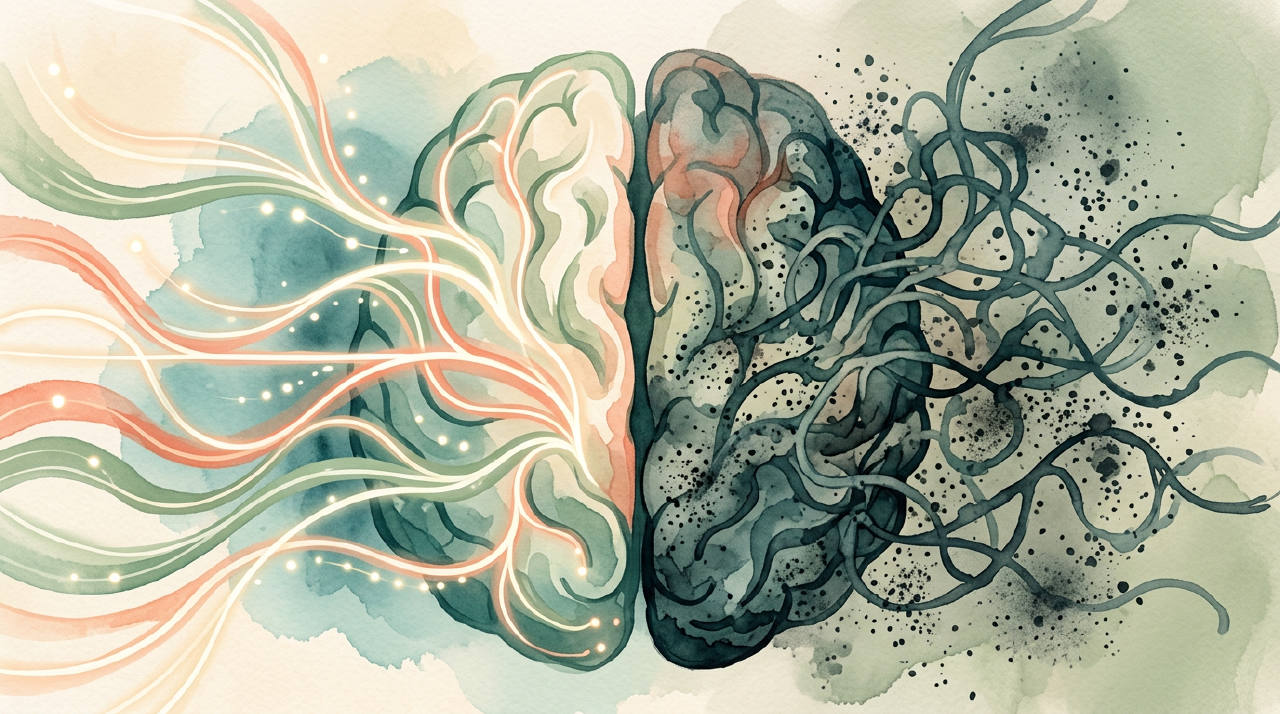
The Mood Connection: A Double-Edged Sword
While the cognitive benefits are promising, the impact of intermittent fasting on mood is far more complex and individual. For some, IF can lead to a sense of heightened energy, clarity, and emotional stability once their body adapts. For others, it can be a one-way ticket to irritability, anxiety, and even depressive symptoms.
The "Hanger" Is Real: Blood Sugar and Mood Swings
During the initial adaptation phase of IF, your body is learning to switch from burning glucose to burning fat. This transition can lead to significant fluctuations in blood sugar. When your blood sugar drops, your body releases stress hormones like cortisol and adrenaline to help stabilize it. This hormonal surge is what causes the infamous feeling of being "hangry"—a volatile mix of hungry and angry. For individuals already prone to anxiety or mood swings, this physiological stress can feel overwhelming, leading to heightened irritability, impatience, and emotional volatility.
Cortisol and the Stress Response
It’s crucial to remember that fasting, even in a healthy person, is a mild stressor on the body. This isn't necessarily a bad thing; this type of "hormetic" stress is what triggers many of fasting's benefits. However, your body doesn't differentiate between sources of stress. The cortisol released from skipping a meal is added to the cortisol you're already producing from work deadlines, family obligations, and lack of sleep.
"Your body keeps a running tab of your total stress load. If your life is already overflowing with stress, adding the physiological stress of fasting without careful management can push your system from beneficially challenged to dangerously overwhelmed."
For someone with a calm, well-regulated nervous system, the small cortisol bump from fasting might be negligible. But for someone already running on empty, with high levels of chronic stress or adrenal dysfunction, adding fasting to the mix can be like pouring gasoline on a fire. It can exacerbate feelings of anxiety, disrupt sleep (a major mood regulator), and lead to burnout.
How It Shows Up in Real Life
Consider two different experiences:
- Positive Experience: Jamie, a 30-year-old project manager, decides to try the 16:8 method. The first few days are tough; she feels hungry and a little foggy by 11 AM. But she pushes through, stays hydrated, and by the second week, she notices a change. Her morning brain fog lifts, she feels surprisingly focused and energetic before her first meal, and she no longer experiences the 3 PM energy slump. For her, IF helps stabilize her energy and mood throughout the day.
- Challenging Experience: Alex, a 28-year-old freelance writer with a history of anxiety, also tries the 16:8 method. The hunger pangs trigger his anxiety, making him feel panicky and out of control. He finds himself obsessively watching the clock, waiting for his eating window to open. His sleep becomes fragmented, and he feels more on edge and irritable with his family. For Alex, the structure of IF feels less like freedom and more like a cage, amplifying his pre-existing mental health challenges.
These stories highlight the most important rule of IF: there is no universal experience. Your personal biology, psychological history, and life circumstances will determine how you respond.
The Hormonal Dance: Fasting, Stress, and Your Body 📊
Intermittent fasting is, at its heart, a tool for hormonal regulation. Its effects—both positive and negative—are driven by its influence on key hormones.
The primary hormonal shift is in insulin. When you fast, your insulin levels fall dramatically. This is the signal that tells your body to start burning stored fat. Over time, this can lead to improved insulin sensitivity, which is fantastic for long-term health and stable energy.
However, as insulin falls, other hormones rise. Glucagon tells your liver to release stored glucose. Ghrelin, the "hunger hormone," increases, signaling your brain that it's time to eat. And, as mentioned, cortisol rises to help manage the stress of the fast and mobilize energy stores.
Here's a simplified look at the cycle:
      ▲ Insulin Levels          ▲ Ghrelin (Hunger)
      │ "Fed State"             │ "Fasted State"
      │ Energy Storage          │ Energy Mobilization
      │                         │
  EATING WINDOW ------ F ----- A ----- S ----- T ------ EATING WINDOW
      │                         │
      │                         │
      ▼ Insulin Sensitivity     ▲ Cortisol (Stress)
      (Over time)               ▲ Fat Burning (Ketones)
                                ▲ Autophagy (Cell Repair)
This hormonal dance is delicate. For the benefits to emerge, your body needs to be resilient enough to handle the temporary increase in hunger and stress hormones without triggering a cascade of negative effects on your mood and overall well-being.
Who Should Approach Intermittent Fasting with Caution?
Intermittent fasting is not a one-size-fits-all solution and is inappropriate for many people. It's essential to be honest with yourself about your health history and current life situation before considering it. The following groups should be particularly cautious or avoid IF altogether, and should only ever attempt it under strict medical supervision.
A History of Disordered Eating
This is the most critical contraindication. The rules, restrictions, and intense focus on food and body signals inherent in IF can be incredibly triggering for anyone with a history of anorexia, bulimia, binge eating disorder, or orthorexia. The cycle of restriction (fasting) can easily set up a subsequent binge, and the clock-watching can foster an obsessive mindset that is dangerously similar to the thought patterns of an eating disorder. If you have any history of a complicated relationship with food, IF is likely not a safe or healthy choice for you. 🕊️
High-Stress Lifestyles
If your life is already a pressure cooker of stress, your cortisol levels are likely chronically elevated. Adding the additional stressor of fasting can overwhelm your adrenal system, leading to what is sometimes called "adrenal fatigue." Symptoms can include profound exhaustion, increased anxiety, depression, insomnia, and brain fog—the very things you might be trying to solve.
Other Medical Considerations
A number of other individuals should exercise extreme caution:
- People with diabetes (Type 1 or Type 2) or blood sugar regulation issues: Fasting without medical guidance can lead to dangerous hypoglycemia (low blood sugar).
- Those who are underweight: Fasting can make it difficult to consume enough calories to maintain a healthy weight.
- Individuals who are pregnant, breastfeeding, or trying to conceive: These life stages have increased nutritional demands, and fasting is not recommended.
- People with thyroid or adrenal issues: The hormonal shifts of fasting can potentially interfere with the delicate balance required for these systems to function optimally.
Tips for a Mindful Approach to Fasting 🧘
If you've determined that you're a good candidate for trying IF and have the green light from a healthcare professional, approaching it mindfully can make all the difference.
The goal is to support your body, not punish it. Start slowly, hydrate properly, fuel yourself with nutritious foods, and—most importantly—listen to the signals your body is sending you without judgment.
- Start Slow and Gentle: Don't jump into a 24-hour fast. Begin with a 12-hour overnight fast (e.g., 8 PM to 8 AM), which is natural for most people. If that feels good, you can gradually extend the window to 13 or 14 hours. There's no prize for the longest fast.
- Hydration is Non-Negotiable: Dehydration can cause headaches, fatigue, and irritability, all of which can be mistaken for fasting side effects. Drink plenty of water. Unsweetened herbal tea and black coffee are also generally fine during a fast. 💧
- Fuel Wisely: When your eating window opens, make it count. Prioritize nutrient-dense foods: lean proteins, healthy fats (avocado, olive oil, nuts), and high-fiber carbohydrates (vegetables, legumes, whole grains). This will keep you satiated longer and provide your brain with the building blocks it needs to thrive. Breaking a fast with a sugary, processed meal will spike your blood sugar and leave you feeling worse.
- Tune In, Don't Tune Out: This is the most crucial step. Check in with yourself. How is your energy? Your mood? Your sleep? Are you feeling clear and vibrant, or are you feeling deprived, anxious, and obsessive? Be honest. If it's consistently making you feel bad, it's not the right tool for you right now, and that's perfectly okay.
Frequently Asked Questions (FAQ)
Will I feel tired and hungry all the time?
Initially, you might. It typically takes the body anywhere from a few days to a few weeks to adapt to using fat for fuel more efficiently. During this time, hunger, fatigue, and brain fog are common. Staying well-hydrated and ensuring your meals are nutrient-dense can help ease this transition. If the feelings persist for more than two weeks, it may be a sign that IF isn't a good fit for your body.
Does coffee break a fast?
For the purposes of metabolic health and autophagy, black coffee (with no sugar, cream, or milk) generally does not break a fast. It has a negligible number of calories and may even enhance some of fasting's benefits, like autophagy. However, adding anything with calories—like sugar, a splash of milk, or creamer—will trigger an insulin response and technically break your fast.
Can intermittent fasting cause or worsen anxiety? 💡
Yes, for some individuals, it can. The drop in blood sugar and corresponding rise in the stress hormone cortisol can trigger or amplify feelings of anxiety, panic, and irritability, especially in those who are already prone to anxiety disorders or living high-stress lives. It's vital to monitor your mood closely when starting IF.
When to See a Professional
Intermittent fasting is a powerful tool, but it's not without risks. Before starting any new eating regimen, especially if you have pre-existing health conditions (including mental health conditions), it is highly recommended that you consult with a doctor or a registered dietitian. They can help you assess if IF is safe and appropriate for you and guide you on how to do it in a way that supports your overall health.
If you try intermittent fasting and find that it negatively impacts your mood, triggers obsessive thoughts about food, worsens anxiety or depression, or disrupts your sleep, it's a clear signal to stop. A mental health professional, such as a therapist or psychiatrist, can help you navigate these feelings and find healthier, more sustainable ways to support your well-being.
Exploring the connection between your body and mind is a journey of self-discovery. If you're looking for a way to track your moods, understand your patterns, and build habits that truly serve your mental health, the guided journals and check-in tools within Araam can be a compassionate companion. Download the app today to start your journey inward. 🌿