
Plant-Based Eating and Mood: What the Evidence Actually Shows
We’ve all heard the saying, "you are what you eat." But in recent years, a more nuanced idea has taken root: what if you feel what you eat? As more of us explore plant-based eating for its environment
We’ve all heard the saying, "you are what you eat." But in recent years, a more nuanced idea has taken root: what if you feel what you eat? As more of us explore plant-based eating for its environmental and physical health benefits, a compelling question arises: can changing what’s on our plate also change what’s in our heads? The connection between our diet and our mental state is no longer fringe science. It’s a vibrant field of research that’s uncovering a powerful relationship between plants, our gut, and our mood. This isn't about finding a "miracle cure" in a salad bowl, but about understanding how nourishing our bodies with whole, plant-based foods can become a foundational pillar of our mental wellness toolkit. 🕊️
[[IMAGE:fig1|A flat lay of vibrant, mood-boosting plant-based foods|An overhead shot of a beautiful wooden table laden with colorful plant-based foods. In the center is a large bowl of leafy green salad with chickpeas and bell peppers. Surrounding it are smaller bowls of walnuts, chia seeds, and berries. There's also a block of firm tofu, a bunch of asparagus, a glass of fortified almond milk, and a ripe avocado sliced in half. The lighting is bright and natural, conveying a sense of health and vitality.]]
What "Plant-Based Eating" Really Means
First, let's clear up a common misconception. "Plant-based eating" is not necessarily a synonym for veganism. While a vegan diet is one type of plant-based diet, the term itself represents a broad spectrum of eating patterns. The core principle is simple: prioritizing foods that come from plants. This means centering your meals around fruits, vegetables, whole grains, legumes, nuts, and seeds, while reducing—or eliminating—your intake of animal products.
The key is that it’s a flexible approach, not a rigid set of all-or-nothing rules. You can find the level that works for your lifestyle, ethics, and health goals. It’s about adding more of the good stuff in, rather than just focusing on what to take out. This non-judgmental framework allows for gradual, sustainable changes that can have a profound impact over time.
To better understand the landscape, let's compare some common approaches:
| Diet Type | Key Characteristics | Includes | Excludes |
|---|---|---|---|
| Flexitarian | Primarily vegetarian but occasionally includes meat, poultry, or fish. Focuses on increasing plant intake rather than strict elimination. | All plant foods, eggs, dairy. Small, infrequent amounts of meat, poultry, and fish. | Nothing strictly, but animal products are minimized. |
| Pescatarian | A vegetarian diet that includes fish and seafood. | All plant foods, eggs, dairy, fish, and seafood. | Meat and poultry. |
| Lacto-Ovo Vegetarian | The most common form of vegetarianism. | All plant foods, eggs (ovo), and dairy products (lacto). | Meat, poultry, fish, and seafood. |
| Vegan | The strictest form of a plant-based diet. Excludes all animal products and by-products. | Only plant foods. | All meat, poultry, fish, seafood, eggs, dairy, and often honey. |
As you can see, there are many ways to lean into a more plant-forward way of life. The mental health benefits we're about to explore aren't reserved for those at the strictest end of the spectrum. Even small shifts, like adopting "Meatless Mondays" or becoming a flexitarian, can start to move the needle on your well-being.
The Gut-Brain Axis: Your Body's Information Superhighway
The connection between your plate and your peace of mind isn't just a vague wellness concept; it's a tangible, biological reality known as the gut-brain axis. This is a complex, two-way communication network linking your digestive system with your central nervous system. Think of it as an information superhighway, with messages constantly flowing between your gut and your brain, influencing everything from your digestion to your emotions.
At the heart of this connection is your gut microbiome: the trillions of bacteria, fungi, and other microbes living in your digestive tract. This ecosystem is so influential that scientists sometimes refer to it as a "second brain." These microbes help digest your food, produce essential vitamins, and, crucially, synthesize neurotransmitters. In fact, it's estimated that up to 95% of your body's serotonin—the "feel-good" neurotransmitter that regulates mood, sleep, and appetite—is produced in your gut. When your gut microbiome is balanced and diverse, it sends signals to your brain that help regulate mood and reduce stress. When it's out of whack, it can contribute to inflammation and send stress signals that may negatively impact your mental health.
How Plants Feed Your Happy Gut Bacteria 🌱
So, how do we cultivate a healthy, happy microbiome? The answer lies in fiber. Animal products contain zero fiber. The sole source of dietary fiber is plants. The diverse fibers found in fruits, vegetables, legumes, and whole grains are prebiotics—essentially, they are the food that your beneficial gut bacteria feast on.
When these good bacteria digest fiber, they produce powerful compounds called short-chain fatty acids (SCFAs), such as butyrate, propionate, and acetate. Butyrate, in particular, is a superstar for both gut and brain health. It serves as the primary energy source for the cells lining your colon, strengthening the gut barrier. A strong gut barrier is crucial because it prevents inflammatory substances from "leaking" out of your gut and into your bloodstream, a condition that has been linked to depression and anxiety. These SCFAs can also travel to the brain, where they have been shown to have anti-inflammatory and neuroprotective effects.
"A diet rich in diverse plant fibers is one of the most powerful tools we have to shape our gut microbiome, reduce systemic inflammation, and build a more resilient foundation for mental health."
Here’s a simplified look at that powerful connection:
        Your Plate: Whole Plant Foods (Fiber)
                    |
                    | (You eat)
                    V
            Your Gut Microbiome
            (Bacteria feast on fiber)
                    |
                    | (They produce...)
                    V
     Short-Chain Fatty Acids (SCFAs) like Butyrate
                    |
+-------------------+--------------------+
|                   |                    |
V                   V                    V
Strengthens Gut     Reduces Systemic     Crosses Blood-Brain
Barrier             Inflammation         Barrier
    |                   |                    |
    V                   V                    V
(Prevents "leaky gut") (Calms the body)   (Protects brain cells)
    |                   |                    |
    +-------------------+--------------------+
                    |
                    V
         Improved Mood Regulation &
          Stress Resilience ✨
By consistently eating a variety of plants, you are actively cultivating a gut environment that sends calming, anti-inflammatory signals straight to your brain.
The Nutritional Powerhouses for Your Brain
Beyond the microbiome, whole plant foods are packed with specific vitamins, minerals, and fatty acids that play a direct role in brain function and mood regulation. When you transition to a more plant-forward diet, you naturally increase your intake of these key nutrients.
Omega-3 Fatty Acids: Not Just from Fish
Omega-3 fatty acids are a type of polyunsaturated fat that are essential components of your brain's cell membranes. They are critical for maintaining the fluidity of brain cells, facilitating communication between them, and have powerful anti-inflammatory properties. The two most studied omega-3s for brain health are EPA (eicosapentaenoic acid) and DHA (docosahexaenoic acid). Low levels of these have been consistently linked to a higher risk of depression.
While fatty fish are famous for their EPA and DHA content, you can absolutely get your omega-3s on a plant-based diet.
- ALA (Alpha-linolenic acid): This is the plant-based form of omega-3 found in abundance in flaxseeds, chia seeds, hemp seeds, and walnuts. Your body can convert ALA into EPA and DHA, but the conversion rate can be inefficient.
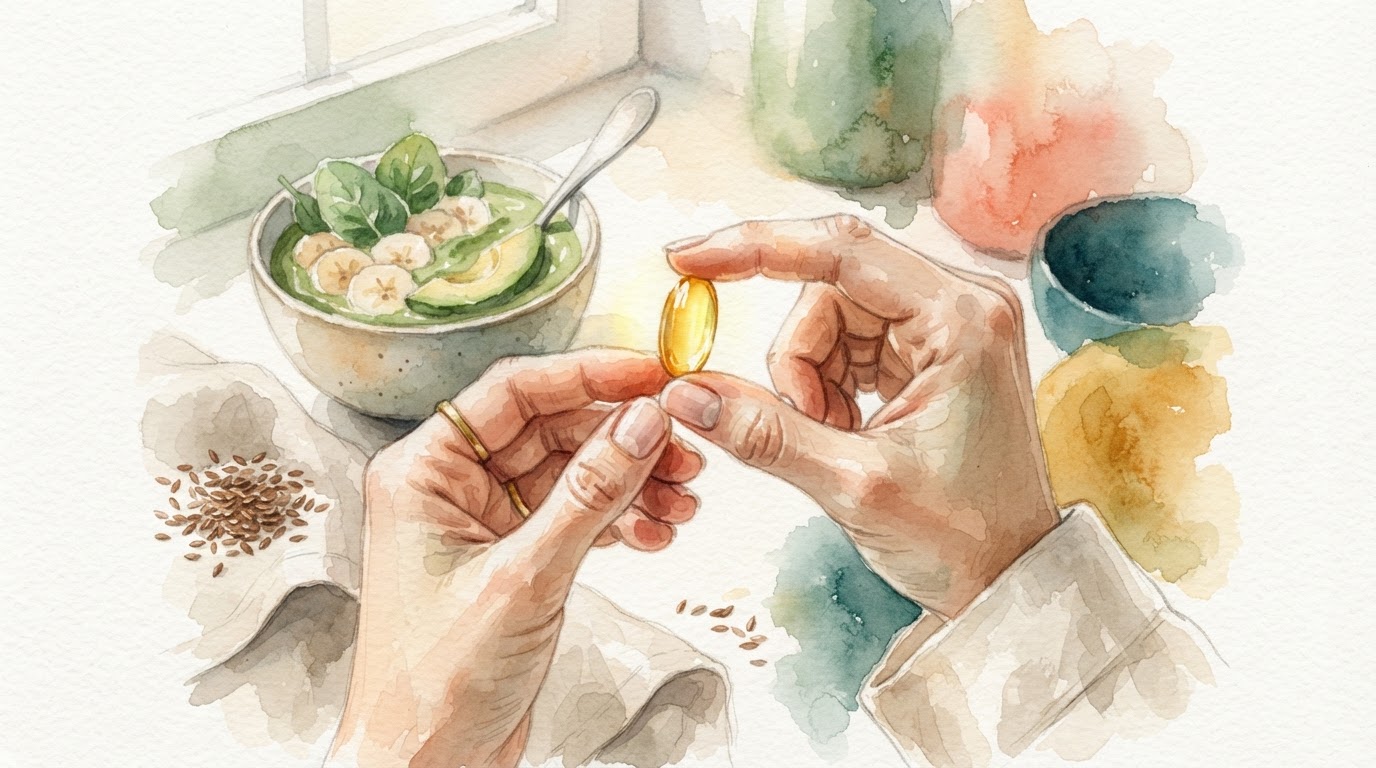
- Algae Oil: For a direct, potent source of plant-based EPA and DHA, look no further than the original source: algae. Fish don't produce their own omega-3s; they get them by eating algae. Algae oil supplements are a fantastic, sustainable, and effective way for vegetarians and vegans to ensure they're getting enough of these brain-critical fats without any conversion needed. 💧
Vitamin D: The Sunshine Vitamin's Mood Connection
Vitamin D functions more like a hormone than a vitamin in the body, and it plays a vital role in countless bodily processes, including mood regulation. There are vitamin D receptors located in areas of the brain that are linked to depression. Research has shown a strong correlation between low vitamin D levels and symptoms of depression, though the exact nature of the relationship is still being studied.
Our primary source of vitamin D is sun exposure. However, for those living in northern latitudes, who spend most of their time indoors, or have darker skin tones, getting enough from the sun can be a challenge.
- Fortified Foods: Many plant-based foods are now fortified with vitamin D, including most plant milks (almond, soy, oat), some orange juices, and many breakfast cereals.
- Mushrooms: Certain types of mushrooms, particularly those exposed to UV light, can be a good food source of vitamin D.
- Supplementation: For many people—regardless of their diet—a vitamin D supplement is a reliable way to ensure adequate levels, especially during the winter months.
B Vitamins and Folate: Fueling Your Neurotransmitters
The B-vitamin family, particularly folate (B9), B6, and B12, are essential cofactors in the production of key neurotransmitters like serotonin, dopamine, and norepinephrine. A deficiency in these vitamins can impair neurotransmitter synthesis, potentially leading to low mood, fatigue, and poor concentration.
- Folate: Abundant in a plant-based diet. Find it in leafy greens (spinach, kale), lentils, beans, and asparagus. 🌿
- Vitamin B6: Also easy to find. Good sources include chickpeas, potatoes, bananas, and fortified cereals.
- Vitamin B12: This is the one nutrient that is not reliably found in plant foods. B12 is produced by bacteria in the soil and water. In our modern, sanitized food system, it's crucial for anyone on a strict vegetarian or vegan diet to get B12 from fortified foods (like nutritional yeast, plant milks, and cereals) or a reliable supplement. This is non-negotiable for long-term brain health.
What Does the Research Actually Say? 📊
The scientific evidence linking plant-based diets and improved mental health is growing and encouraging. While much of the research is observational—meaning it shows a correlation rather than direct causation—the patterns are compelling.
For example, a large 2021 meta-analysis published in the journal Molecular Psychiatry looked at 41 different studies and found that diets high in fruits, vegetables, and whole grains were associated with a reduced risk of depression. Another study, the SMILES trial, was a randomized controlled trial that showed participants with major depression who received nutritional counseling to adopt a modified Mediterranean diet (rich in plants, with some lean animal protein) experienced significantly greater improvement in their depression symptoms compared to a control group.
While these studies often look at plant-rich diets rather than exclusively plant-based ones, the takeaway is consistent: shifting your dietary pattern towards whole plant foods is associated with better mental health outcomes. Researchers believe this is due to the synergistic effect of higher fiber intake, a richer nutrient profile (antioxidants, vitamins, minerals), and a reduction in pro-inflammatory components found in processed foods and some animal products. More research, especially long-term randomized controlled trials on fully vegan diets and mood, is still needed.
Putting It On Your Plate: A Sample Plant-Forward Week
Theory is great, but how does this look in real life? Here are a few simple, delicious meal ideas to show how easy it can be to incorporate more mood-boosting plants into your week.
Monday
- Breakfast: A warm bowl of oatmeal made with fortified oat milk, topped with fresh berries (for antioxidants), a tablespoon of ground flaxseed (for omega-3s), and a sprinkle of walnuts.
- Lunch: Hearty lentil soup (packed with fiber and folate) served with a slice of whole-grain or sourdough bread.
- Dinner: A colorful tofu and broccoli stir-fry with a ginger-garlic sauce, served over brown rice.
Wednesday
- Breakfast: A green smoothie made with spinach (folate), a frozen banana, fortified soy milk (vitamin D), and a scoop of hemp seeds (omega-3s and protein).
- Lunch: A "kitchen sink" salad with a base of mixed greens, topped with chickpeas (B6), cucumber, tomatoes, bell peppers, and a creamy tahini-lemon dressing.
- Dinner: Homemade black bean burgers on whole-wheat buns, served with a side of baked sweet potato fries.
Friday
- Breakfast: Avocado toast on toasted sprouted-grain bread, sprinkled with red pepper flakes and nutritional yeast (for a cheesy, savory flavor and a boost of B12).
- Lunch: Leftover black bean burgers or salad from the previous day.
- Dinner: A big, comforting bowl of vegan chili loaded with kidney beans, black beans, tomatoes, and spices. Serve with a side of cornbread or brown rice.
Frequently Asked Questions
Do I have to go fully vegan to see mood benefits?
Absolutely not. The research suggests a dose-response relationship, meaning that any shift towards a more plant-rich diet can be beneficial. Starting with a Flexitarian approach or implementing "Meatless Mondays" is a fantastic way to begin. The goal is progress, not perfection.
How quickly can I expect to feel a difference in my mood?
This is highly individual. Some people report feeling more energetic and clear-headed within a week or two, likely due to better hydration, blood sugar stability, and increased nutrient intake. The deeper benefits related to changing your gut microbiome and reducing systemic inflammation can take several weeks or even months of consistent eating to become apparent. Be patient and focus on how you feel over time. 💡
I'm worried about "junk food veganism." Is it a real problem?
Yes, it's a real pitfall. A diet of vegan donuts, french fries, and processed soy nuggets is technically plant-based, but it won't provide the mood-boosting benefits we've discussed. These foods lack fiber, are low in micronutrients, and can be pro-inflammatory. The key is to focus on a whole-foods, plant-based diet—eating foods in their most natural, unprocessed state as much as possible.
When to See a Professional
It is crucial to remember that diet is a powerful tool for supporting your mental health, but it is not a substitute for professional care. If you are experiencing persistent low mood, anxiety, loss of interest in activities, or other symptoms of a mental health condition, it is important to speak with a doctor, psychiatrist, or therapist. Nutrition can be an excellent part of a comprehensive treatment plan that may also include therapy, medication, or other modalities. A plant-based diet is a supportive strategy, not a standalone cure.
Here at Araam, we believe in a holistic approach to mental wellness. Your journey is unique, and we're here to provide you with evidence-based tools and compassionate support every step of the way. Explore the app for guided meditations, journaling prompts, and resources that can complement the healthy changes you're making on your plate. 🧘