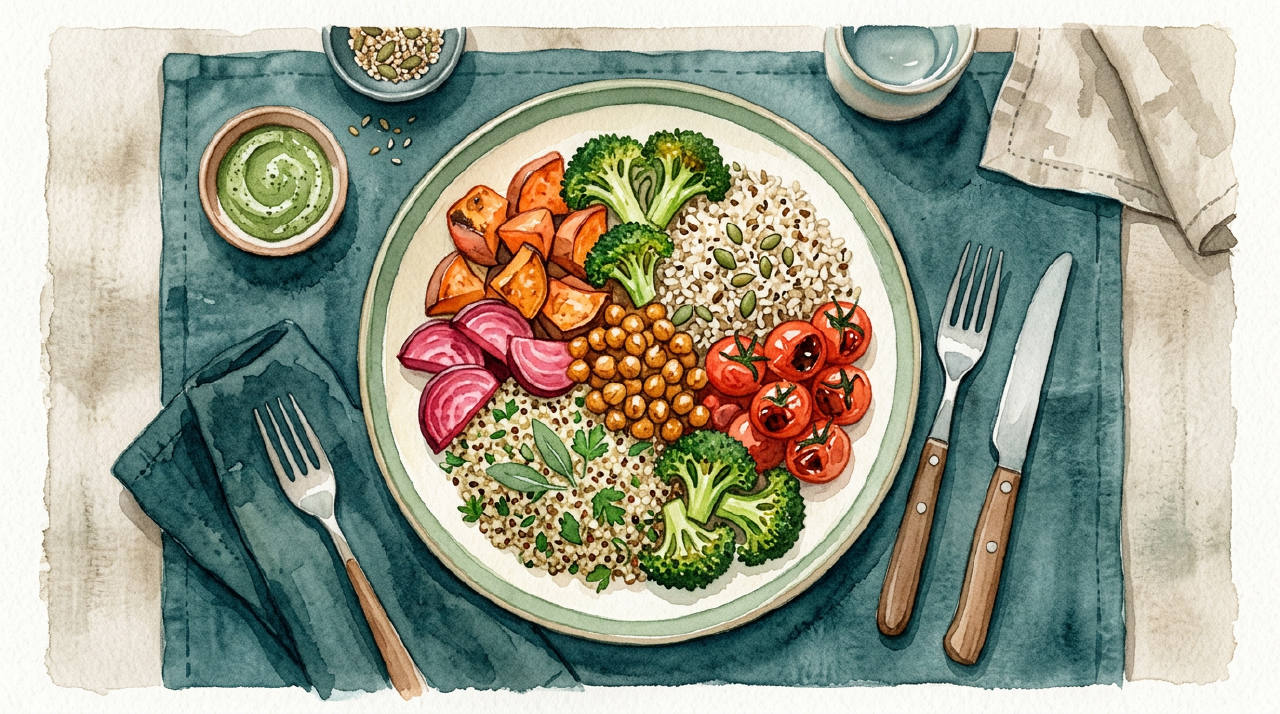
Which Foods Actually Lift Your Mood? A Look at New Evidence
We’ve all been there. After a long, stressful day, the siren song of a pint of ice cream or a bag of salty chips can feel like the only true comfort in the world. This emotional pull towards certain f
We’ve all been there. After a long, stressful day, the siren song of a pint of ice cream or a bag of salty chips can feel like the only true comfort in the world. This emotional pull towards certain foods is a universal human experience. But what if the connection between our plate and our psyche runs deeper than just temporary comfort? What if the very ingredients we choose each day could actively shape our mental resilience, calm our anxieties, and even lift the fog of a low mood? For years, this idea was treated as fringe science. Now, a growing and compelling body of research in a field called nutritional psychiatry is turning this notion into evidence-based fact. The latest data isn't just suggesting a vague link; it's beginning to show us exactly how—and which—foods can become powerful allies for our mental well-being. 🌱
The Gut-Brain Axis: Your Second Brain is Talking
To understand how food can lift your mood, we first need to look at the remarkable communication network between your digestive system and your brain. This connection, known as the gut-brain axis, is a constant, two-way biochemical conversation. And the food you eat provides the vocabulary for that conversation. Your gut is home to trillions of microorganisms—bacteria, viruses, and fungi—collectively known as the gut microbiome. This intricate ecosystem is so influential that scientists often refer to it as our "second brain."
A healthy, diverse microbiome helps produce vitamins, digest fiber, and protect against pathogens. Crucially, it also plays a massive role in regulating our mood. Consider this: an estimated 90% of your body's serotonin, a key neurotransmitter responsible for feelings of happiness and well-being, is produced in your gut. When your gut microbiome is thriving on a diet rich in diverse, whole foods, it can more effectively produce serotonin and other important brain chemicals like dopamine and GABA.
Conversely, a diet high in processed foods, sugar, and unhealthy fats can lead to an imbalance in gut bacteria (a state called dysbiosis) and trigger inflammation. This inflammation isn't just confined to your gut. The inflammatory signals can travel up the vagus nerve—the superhighway of the gut-brain axis—and cross the blood-brain barrier, contributing to neuroinflammation. This process has been strongly linked to mood disorders, including depression and anxiety. So, when we talk about eating for mental health, we're really talking about nourishing the gut ecosystem that, in turn, nourishes our minds. 💧
Decoding the Data: What a Major New Study Reveals About Diet and Depression
The idea that a healthy diet improves mood is no longer just a well-meaning suggestion from your grandma; it's a conclusion backed by robust scientific analysis. A landmark meta-analysis published in Psychosomatic Medicine pooled data from multiple high-quality studies to get the clearest picture yet of diet's impact on mental health.
Let's look at the numbers. The researchers aggregated the results of 16 randomized controlled trials—the gold standard of clinical research—to see if dietary interventions could reduce symptoms of depression and anxiety.
+------------------------------------+
|       The Meta-Analysis by the Numbers       |
+------------------------------------+
|  Studies Included: 16              |
|  Total Participants: 45,826        |
+------------------------------------+
This massive sample size gives the findings significant weight. The researchers weren't just looking at a small group of people; they were synthesizing data from tens of thousands of individuals across various countries and demographics.
So, what did they find? The results were compelling. Across the 16 studies, individuals who participated in a dietary improvement program showed a significant reduction in depressive symptoms compared to those who did not.
+------------------------------------+
|           Key Finding            |
+------------------------------------+
| Significant reduction in depressive|
| symptoms for those improving their |
| diet, especially in studies with   |
| female participants.               |
+------------------------------------+
The analysis also found that the benefits were present regardless of a person's body weight, age, or gender, though the positive effects on depression were particularly pronounced in studies with all-female cohorts. The most effective interventions promoted diets rich in plant-based foods, healthy fats, and lean proteins, such as the Mediterranean diet, while discouraging the intake of processed foods.
What It Means For You
This data story tells us that dietary change is a valid, evidence-based strategy for supporting mental health. While it's not a cure-all, the food you eat can be a powerful lever you can pull every single day to influence your mood and resilience. It suggests that making consistent, positive shifts in your eating patterns—like adding more vegetables to your plate or swapping processed snacks for whole foods—can create a measurable, positive impact on how you feel. It empowers you to see your grocery cart not just as a source of calories, but as a toolkit for your mental well-being. 📊
The Antidepressant Diet: Key Nutrients and Food Groups
So, what specific foods and nutrients are doing the heavy lifting? Research points to several key players that are essential for brain health and mood regulation. Think of these as the building blocks for a resilient mind.
Omega-3 Fatty Acids: The Brain's Best Friend
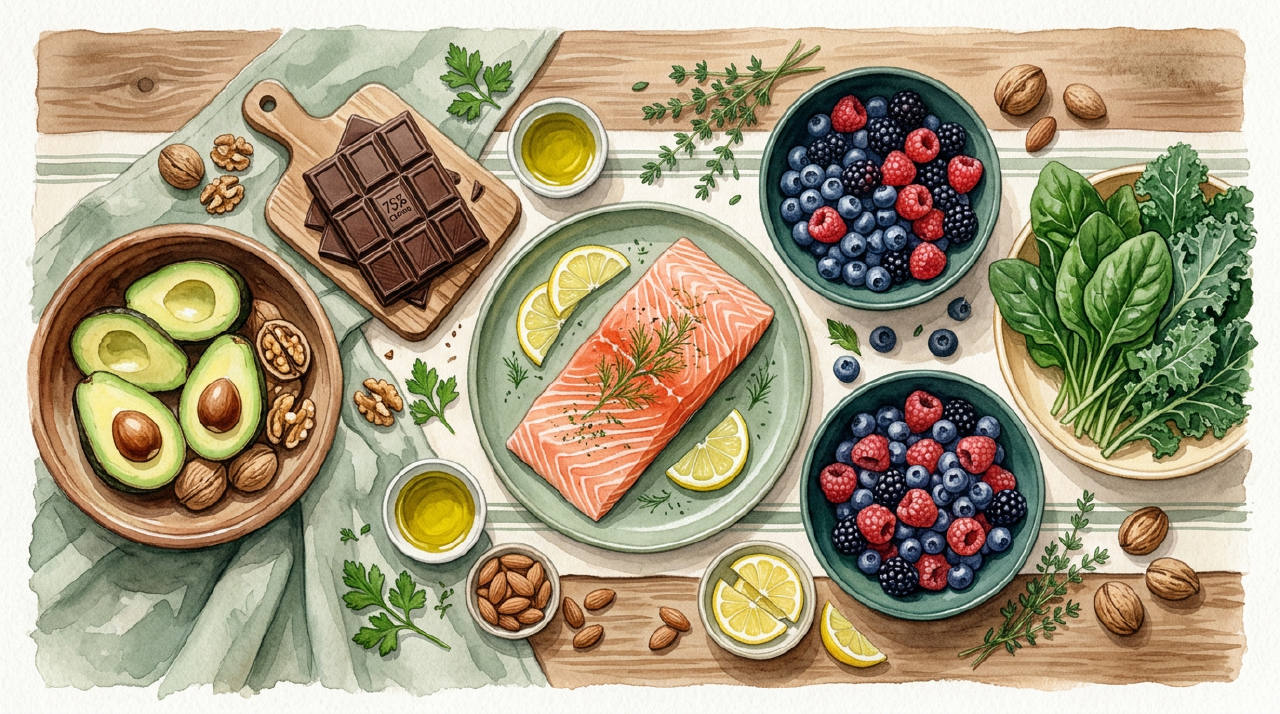
Omega-3s, particularly EPA and DHA, are healthy fats that are integral to the structure of your brain cells. They are potent anti-inflammatories, helping to counteract the neuroinflammation linked to low mood.
- Top Sources: Fatty fish (salmon, mackerel, sardines), walnuts, chia seeds, flaxseeds.
- How they work: They improve the fluidity of brain cell membranes, making it easier for serotonin to travel between cells.
B Vitamins (Folate, B12, B6): The Neurotransmitter Builders
This family of vitamins acts as essential co-factors in the creation of neurotransmitters. Without enough B vitamins, your brain simply can't produce the serotonin and dopamine it needs to maintain a stable, positive mood.
- Top Sources: Leafy greens (spinach, kale), legumes (lentils, chickpeas), eggs, avocado, lean meats (chicken, turkey).
- How they work: Folate (B9) and B12 are directly involved in the synthesis pathways for key mood-regulating chemicals.
Magnesium & Zinc: The Mineral Mood-Stabilizers
These minerals are critical for calming the nervous system and regulating the body's stress response. Magnesium, in particular, helps to control the activity of the HPA axis, your central stress response system.
- Top Sources: Nuts (almonds, cashews), seeds (pumpkin, sesame), whole grains, legumes, and—happily—dark chocolate (70% cacao or higher).
- How they work: Zinc helps control the brain's response to stress, while magnesium can have a calming effect on the nervous system. A deficiency in either has been linked to increased anxiety.
Probiotics & Prebiotics: The Gut Gardeners 🌱
To support your gut-brain axis, you need to tend to your internal garden. Probiotics are the beneficial bacteria themselves, while prebiotics are the fiber they love to eat.
- Probiotic Sources: Fermented foods like yogurt (with live active cultures), kefir, kimchi, sauerkraut, kombucha.
- Prebiotic Sources: High-fiber foods like garlic, onions, leeks, bananas, asparagus, oats.
- How they work: Probiotics directly replenish the good bacteria in your gut, while prebiotics provide the fuel for those bacteria to thrive and produce mood-boosting compounds.
The Mood Saboteurs: Foods That May Drain Your Energy
Just as some foods can build us up, others can contribute to a cycle of low energy and mood. This isn't about labeling foods as "good" or "bad," but about recognizing patterns and understanding how certain ingredients, especially in excess, can work against our mental wellness goals.
- Highly Processed Foods and Refined Sugars: That candy bar or soda might give you a quick burst of energy, but it's followed by the inevitable "sugar crash." This rapid spike and fall in blood sugar can lead to irritability, fatigue, and anxiety. Over time, high sugar intake promotes inflammation and can disrupt the gut microbiome, feeding the less-beneficial bacteria.
- Trans Fats and Fried Foods: Often found in fast food, fried items, and commercially baked goods, artificial trans fats are known to increase systemic inflammation. Studies have linked high consumption of these fats to a greater risk of depression, as they can negatively impact brain cell function and communication.
- Excessive Alcohol: While a glass of wine might feel relaxing initially, alcohol is a central nervous system depressant. It can disrupt sleep architecture, increase anxiety the next day (sometimes called "hangxiety"), and deplete the very B vitamins your brain needs for mood regulation.
- Too Much Caffeine (for some): The right amount of caffeine can improve focus and mood. However, for individuals sensitive to it or when consumed in large quantities, it can overstimulate the stress response, leading to jitteriness, anxiety, and insomnia.
Recognizing these patterns is the first step. You might notice that on days you rely heavily on processed snacks and sugary coffee drinks, your mood feels more erratic and your energy less stable. This isn't a personal failing; it's a predictable biological response. 🕊️
"We're not just feeding our bodies; we're feeding our brains and the trillions of microbes that live within us. Every meal is an opportunity to send a message of wellness from your gut to your mind." —Dr. Uma Naidoo, Nutritional Psychiatrist and author of This Is Your Brain on Food.
Putting It All Together: A Tale of Two Diets
The difference between a diet that supports mental wellness and one that doesn't is often about the overall pattern, not just a single meal. Let's compare a "Typical Western Diet" with a "Mood-Supportive Pattern," which shares many characteristics with the well-researched Mediterranean diet.
| Food Group | Typical Western Pattern | Mood-Supportive Pattern (e.g., Mediterranean-Style) |
|---|---|---|
| Fruits & Veggies | Low intake; often processed (e.g., juice, canned) | High intake; diverse colors, fresh or frozen (5-7 servings/day) |
| Grains | Refined (white bread, pasta, pastries) | Whole grains (oats, quinoa, brown rice, whole-wheat bread) |
| Protein | High in red and processed meats | Lean proteins (fish, poultry), abundant plant proteins (legumes) |
| Fats | High in saturated & trans fats (fried food, margarine) | High in unsaturated fats (olive oil, nuts, seeds, avocado) |
| Sweets & Snacks | High in refined sugar & salt (candy, chips, soda) | Infrequent; fruit, dark chocolate, nuts |
| Dairy | Often high-fat, sweetened (ice cream, sugary yogurts) | Fermented (plain yogurt, kefir), moderate cheese |
This table highlights a shift in emphasis. A mood-supportive diet isn't about deprivation; it's about abundance. It's rich in color, fiber, and nutrients. It prioritizes foods in their whole, unprocessed form, providing your gut and brain with the quality information they need to function optimally. The goal isn't perfection, but a gradual shift in your overall dietary pattern. ✨
Tracking Your Food and Mood: A Practical Experiment 💡
The most powerful data of all is your own. Since we all have unique bodies and microbiomes, the best way to discover which foods make you feel your best is to become a gentle observer of your own experience. A food and mood journal is a simple yet profound tool for this kind of self-discovery. It’s not about counting calories or judging your choices; it’s about noticing correlations with curiosity.
For a week or two, try tracking what you eat and how you feel. You can use a simple notebook or a notes app on your phone. The goal is to identify patterns. Do you feel sluggish after a lunch of refined carbs? Do you feel more stable and energetic on days you include fatty fish or a large salad?
Here is a simple template you can use:
Date: [MM/DD]
Time     | Food/Drink Consumed        | Mood (1-10) | Energy (1-10) | Notes
---------|----------------------------|-------------|---------------|-----------------------
8:00 AM  | Coffee w/ sugar, croissant | 6           | 5             | Felt rushed, a bit edgy
12:30 PM | Lentil soup, apple         | 8           | 7             | Calm, focused in afternoon
3:30 PM  | Handful of almonds         | 8           | 7             | Avoided the 3pm slump!
7:00 PM  | Pizza and a beer           | 5           | 4             | Felt full and tired after
After a week, look back at your log. Are there any clear connections? This practice of mindful observation helps you move from abstract knowledge to embodied wisdom, empowering you to make choices that genuinely serve your mental and emotional health. 🧘
Frequently Asked Questions
How long does it take to see a mood improvement from changing my diet?
There's no single answer, as it varies for everyone. Some people report feeling more energetic and clear-headed within a few days of cutting down on processed sugar. However, for more significant and stable mood benefits rooted in changes to the gut microbiome and reducing inflammation, it's best to think in terms of weeks and months. Research like the SMILES trial showed significant mood improvements in participants after 12 weeks of dietary intervention. Consistency is key.
Do I have to give up all my favorite "unhealthy" foods forever?
Absolutely not. A healthy relationship with food is about balance, not perfection. The goal is to build a dietary pattern that is rich in mood-supporting foods. If 80-90% of your diet is composed of whole, nutrient-dense foods, there is certainly room for the occasional treat. The "all-or-nothing" mindset can create stress and guilt, which is counterproductive to mental wellness. Enjoy your favorite comfort foods mindfully and without judgment, then return to the eating pattern that makes you feel your best.
Are supplements a good alternative to getting nutrients from food?
While supplements can be helpful for correcting specific, diagnosed deficiencies (like Vitamin D or B12), they are not a substitute for a healthy diet. Whole foods contain a complex synergy of vitamins, minerals, fiber, and phytochemicals that work together in ways a single pill cannot replicate. For example, eating salmon gives you not just Omega-3s, but also protein, B vitamins, and selenium. Always consult with a healthcare professional before starting any new supplement regimen. 🌿
When to See a Professional
It is vital to remember that diet is one powerful tool for supporting mental health, but it is not a replacement for professional medical care. If you are struggling with persistent low mood, anxiety, or other mental health concerns, please reach out to a doctor, psychiatrist, or therapist. They can provide a proper diagnosis and work with you to create a comprehensive treatment plan, which may include therapy, medication, and lifestyle changes like diet. A registered dietitian can also be an invaluable partner in helping you tailor a nutritional plan that's right for your specific needs.
At Araam, we believe in a holistic approach to mental well-being. Our app can be a gentle companion on your journey, helping you track your mood, build mindful habits, and notice the subtle connections between your daily choices and how you feel. Start your journey of self-discovery today.