Research Recap: What Cold Showers Actually Do to Mood and Inflammation
From bio-hacking billionaires to your favorite wellness influencer, it seems everyone is suddenly singing the praises of icy cold water. We’re told that a deliberate dip into the cold can unlock bound
From bio-hacking billionaires to your favorite wellness influencer, it seems everyone is suddenly singing the praises of icy cold water. We’re told that a deliberate dip into the cold can unlock boundless energy, sharpen the mind, and even make us more resilient. But beyond the shivering selfies and bold claims, what does the science actually say? Can something as simple, and admittedly uncomfortable, as a cold shower really move the needle on our mood and physical health? Let's take a calm, evidence-based look, peeling back the layers of hype to understand what one landmark study revealed about the real-world effects of ending your shower on cold. 🌱
The Cold Plunge Craze: What's the Hype?
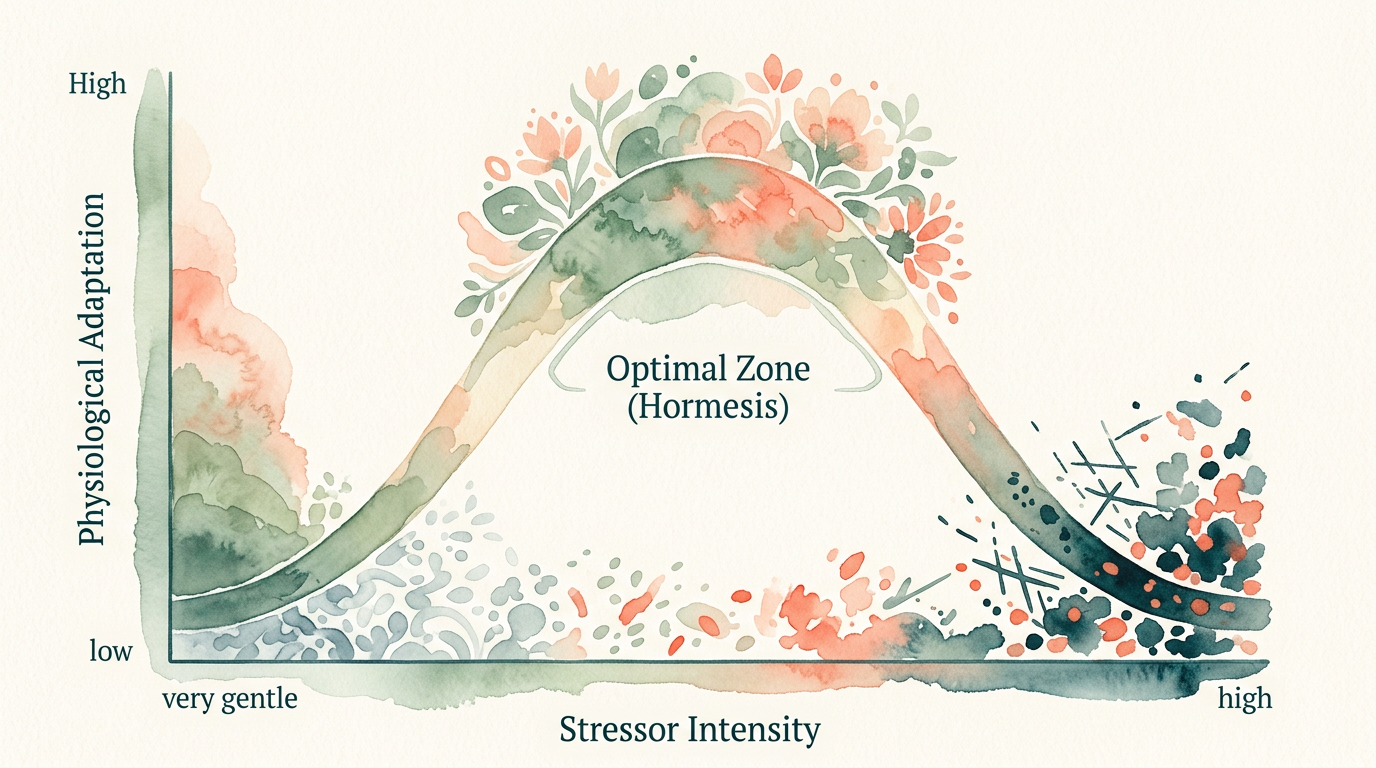
The core idea behind cold exposure is that it's a form of "hormesis." This is a biological principle where a beneficial effect is produced by exposure to a low dose of an agent that would be toxic or lethal at higher doses. Think of it like exercise: tearing your muscle fibers with a workout (a stressor) is what allows them to grow back stronger. Proponents of cold therapy suggest that a short, intense blast of cold acts as a similar low-dose stressor, triggering a cascade of positive adaptations in the body and brain.
The claims are far-reaching and often dramatic:
- Mental Boost: Increased focus, clarity, and the release of "feel-good" neurotransmitters like dopamine and norepinephrine.
- Physical Resilience: A strengthened immune system, reduced inflammation, and improved circulation.
- Emotional Regulation: Building mental fortitude and the ability to stay calm under pressure by consciously putting yourself in a stressful (but safe) situation.
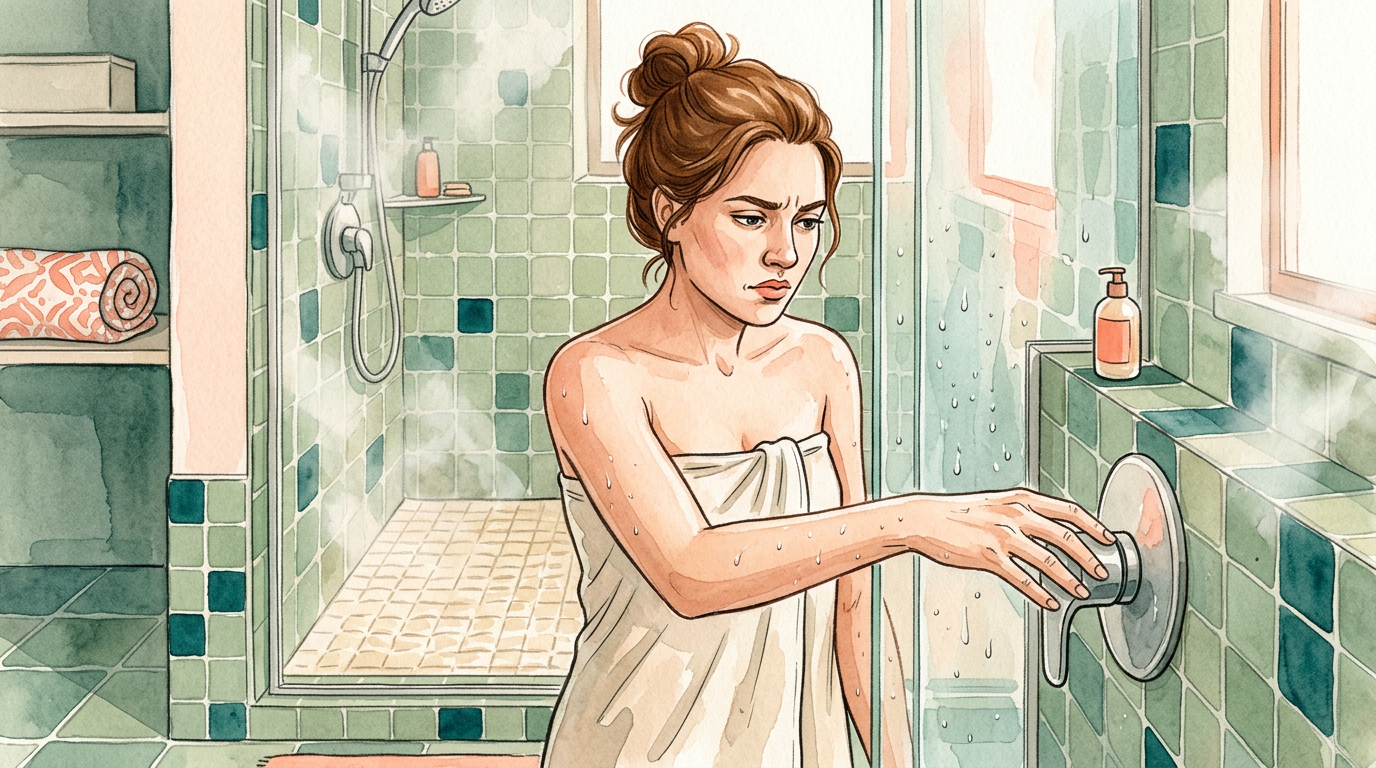
While a full-body ice bath is the most extreme version of this practice, researchers have been curious about a more accessible entry point: the humble cold shower. This led a team in the Netherlands to ask a simple question: Could something as brief as a 30-second blast of cold water at the end of a daily shower make a measurable difference in people's health and well-being?
The Pivotal Study: A Deep Dive into the Buijze Research
The study that provides the most robust data on this topic to date is "The effect of cold showering on health and work: A randomized controlled trial," published in 2016 by Geert A. Buijze and his colleagues. This wasn't a small-scale pilot; it was a large, pragmatic study designed to see if a simple cold shower habit could impact real-world outcomes, specifically sickness and work absence.
Who were the participants?
The researchers recruited 3,018 participants between the ages of 18 and 65 who had no major underlying health conditions and did not have a regular cold shower habit. This large and relatively healthy group is important because it helps us see if the intervention has an effect on the general population, not just elite athletes or those with specific health issues.
What did they actually have to do?
The method was elegantly simple. Participants were randomly assigned to one of four groups for 30 consecutive days:
- Control Group: Instructed to shower as they normally would, with warm water.
- 30-Second Cold Group: Instructed to take a warm shower of any length, but to finish with 30 seconds of "as-cold-as-you-can-handle" water.
- 60-Second Cold Group: Same as above, but with a 60-second cold finish.
- 90-Second Cold Group: Same as above, but with a 90-second cold finish.
Participants logged their compliance and filled out questionnaires about their quality of life, work productivity, anxiety, perceived energy levels, and any sickness-related work absences at various points during and after the 30-day intervention period.
"The most interesting finding was the 29% reduction in self-reported sickness absence from work. This effect was observed for all cold shower groups, regardless of whether they showered for 30, 60, or 90 seconds. To us, this suggests that the initial shock of the cold is the most important component."
The Surprising Findings of the Buijze Study
The results of the Buijze study were both intriguing and, in some ways, unexpected. The primary outcome the researchers measured was sickness absence from work, and here they found a clear, statistically significant effect. 💧
Reduced Sick Days: The Headline Result
The most robust finding from the study was that all three groups who finished their showers with cold water reported a 29% reduction in sickness-related work absenteeism compared to the control group.
This is a powerful number. It doesn't mean people got sick 29% less often. In fact, the number of sick days reported was similar across all groups. The difference was in the severity and duration of illness. Those in the cold shower groups, when they did get sick, seemed to feel well enough to go to work more often than those in the control group. They reported feeling less ill and having more energy, even when unwell.
Interestingly, the duration of the cold blast (30, 60, or 90 seconds) didn't make a difference. The 30-second group saw the same benefit as the 90-second group, suggesting the initial shock and the body's immediate reaction might be the most crucial part of the process.
Here's how the reduction in sick days looked:
Sick Day Reduction by Group (Compared to Control)

Control Group        : [                    ]  0%
30-Sec Cold Shower   : [======              ] 29%
60-Sec Cold Shower   : [======              ] 29%
90-Sec Cold Shower   : [======              ] 29%
Subjective Experience: A Boost in Energy ✨
Beyond sick days, the study also captured participants' subjective experiences. One of the most consistent pieces of feedback was a persistent increase in perceived energy levels. This feeling was likened to the effect of a cup of coffee. Many participants enjoyed this effect so much that two-thirds of them continued the cold shower habit even after the 30-day study period was over.
However, the cold showers did not have a significant effect on measures of anxiety or overall quality of life in this study. The primary benefits seemed to be related to the physical sensations of energy and a greater resilience to feeling "unwell."
Key Numbers at a Glance Comparison Table
| Metric Measured | Control Group (Warm Shower) | Cold Shower Groups (30-90 sec finish) | Key Insight |
|---|---|---|---|
| Sickness Absence from Work | Baseline | 29% Reduction | A significant and robust finding. People felt well enough to work more often. |
| Illness Days | No significant difference | No significant difference | People still got sick, but the impact appeared less severe. |
| Perceived Energy Levels | No change | Significant Increase | Participants consistently reported feeling more energetic. 💡 |
| Anxiety & Quality of Life | No significant change | No significant change | The effect seems more physical/somatic than broadly psychological in this study. |
| Continued Habit | N/A | 64% continued after the study | The subjective benefits were compelling enough for a majority to adopt the habit. |
The Science Behind the Shiver: Why Does It Work?
While the Buijze study focused on outcomes, it didn't measure the underlying physiological mechanisms. However, we can connect its findings to other research to understand what might be happening in our bodies when we turn that handle to blue.
The Hormetic Stress Response 🌿
As mentioned, the leading theory is hormesis. The sudden cold is a shock to the system. Your heart rate and blood pressure momentarily spike, and your body releases stress hormones like norepinephrine (also known as noradrenaline). This isn't the "bad" chronic stress of a difficult job; it's an acute, short-lived stressor that kicks your systems into high gear. This jolt of norepinephrine is likely responsible for the reported increase in energy, focus, and alertness. It’s your body’s “wake up now!” signal.
Inflammation and the Immune System 📊
What about the reduced sickness absence? The cold shock may trigger changes in the immune system. Some research suggests that this type of acute stress can lead to a redistribution of immune cells in the body. While the Buijze study didn't measure inflammatory markers like C-reactive protein, other smaller studies have indicated that regular cold exposure may help lower baseline levels of inflammation and balance the production of certain types of immune cells (cytokines). This could explain why participants felt less "sick" even when they caught a bug—their inflammatory response might have been more modulated and less severe.
Mood and the Neurotransmitter Cocktail
The potential mood-boosting effects are tied directly to brain chemistry. The dense network of cold receptors on our skin sends an overwhelming volley of electrical impulses to the brain when hit with cold water. This has been hypothesized to have an antidepressant effect. Furthermore, the release of norepinephrine and dopamine—neurotransmitters involved in focus, motivation, and pleasure—provides a powerful and natural lift. It's a way to jolt your brain out of a sluggish state and into a more alert, engaged mode.
Reading Between the Lines: Limitations of the Study
No single study is perfect, and it's crucial to acknowledge the limitations of the Buijze research to have a balanced view.
- The Placebo Effect: This is the biggest challenge for this kind of study. It's impossible to design a "placebo" for a cold shower—participants knew for a fact whether they were in a treatment group or the control group. The very act of doing something you believe is good for you can create positive effects. The reported energy boost, in particular, could be strongly influenced by this placebo effect.
- Self-Reported Data: All the outcomes, including sickness absence, were self-reported. This relies on memory and subjective interpretation, which is less reliable than objective data like doctor's visits or biometric markers.
- What Wasn't Measured: As noted, the study didn't take blood samples to measure stress hormones like cortisol or inflammatory markers. This means we can only speculate about the underlying biological mechanisms—we can see the "what" (reduced absence) but not the "why."
- A Healthy Population: The study was conducted on a generally healthy group of adults. The effects might be different for people with chronic illnesses, immune disorders, or severe mental health conditions.
How to Safely Try Cold Showers Today 🧘
Inspired by the research but intimidated by the idea? The good news is that the Buijze study suggests you only need 30 seconds to get the potential benefit. Here’s a safe and gentle way to begin.
A Step-by-Step Guide for Beginners
- Start Your Shower Warm: Don't skip the comfort! Take your normal warm shower. Wash your hair, soap up, and enjoy the warmth.
- Breathe First: Before you turn the knob, take a few deep, slow breaths. Remind yourself that this is a safe, controlled challenge. The goal is not to tense up and fight the cold, but to breathe through it.
- The 30-Second Finish: For the last 30 seconds of your shower, turn the water to cold. It doesn't have to be arctic-level freezing on day one. Just turn it to the coldest setting you feel you can comfortably tolerate.
- Focus on Your Extremities: Let the cold water hit your feet, legs, and arms first before moving to your core, back, and chest.
- Control Your Breath: Your first instinct will be to gasp and tense up. Try to override this. Exhale slowly as the cold water hits you. A long, slow "vooooo" or "shhhhh" sound can help regulate your nervous system.
- End and Assess: After 30 seconds, turn the water off. Grab your towel and notice how you feel. You'll likely feel a rush of warmth and a tingling sensation. Pay attention to your energy and mood in the minutes and hours that follow. 🕊️
People Who Should Be Cautious
While generally safe for most healthy adults, a sudden blast of cold water can be a significant shock to the system. You should speak with a healthcare professional before trying cold showers if you have:
- Serious Heart Conditions: Such as a history of heart attack, arrhythmias, or severe hypertension. The sudden change in heart rate and blood pressure could be risky.
- Raynaud's Syndrome: A condition where cold temperatures cause numbness and poor circulation in fingers and toes.
- Pregnancy: It's generally best to avoid introducing new, intense stressors during pregnancy without medical guidance.
- Open Wounds or Skin Conditions: Cold water could irritate certain skin issues.
Frequently Asked Questions
Q: How cold does the water need to be? A: The study advised participants to use water that was "as cold as tolerable." This is subjective and will vary from person to person and even day to day. A good rule of thumb is that if it doesn't make you gasp and feel a strong urge to get out, it's probably not cold enough to trigger the desired hormetic response. But you don't need to be shivering uncontrollably; find a level of "uncomfortable but manageable."
Q: Will cold showers help me lose weight? A: While there is some research on cold exposure activating "brown fat," a type of fat that burns calories to generate heat, the effect from a 30-90 second cold shower is likely minimal. The Buijze study did not find any changes in weight. Cold showers are not a primary tool for weight loss, which is far more dependent on overall diet and exercise.
Q: Can I just jump into a cold shower, or is the hot-to-cold routine important? A: Starting with a warm shower and finishing with cold (a method sometimes called a "Scottish Shower") is a much more palatable and sustainable approach for beginners. This was the exact method used in the study that showed the 29% reduction in sick days. While some people prefer to go straight-in-cold, the gradual approach is evidence-backed and easier to turn into a consistent habit.
When to See a Professional
While building resilience through practices like cold showers can be a supportive part of a wellness routine, it is not a substitute for professional medical or mental health care. If you are struggling with persistent low mood, overwhelming anxiety, chronic fatigue, or frequent illness, it is essential to consult with a doctor or a licensed mental health professional. They can help you get an accurate diagnosis and create a comprehensive treatment plan tailored to your needs.
Building healthy habits is a journey of self-discovery. At Araam, we believe in providing you with the tools to track your mood, understand your patterns, and celebrate small, sustainable steps toward well-being. Adding a new habit? Log how you feel before and after in your Araam journal to see the impact for yourself.