
The 7-Day Digital Detox Plan That Actually Reduces Social Media Stress
It’s 10 PM. You told yourself you’d read a chapter of that book on your nightstand, but somehow your phone is in your hand again. You’ve been scrolling for 45 minutes, a digital ghost haunting the cur
It’s 10 PM. You told yourself you’d read a chapter of that book on your nightstand, but somehow your phone is in your hand again. You’ve been scrolling for 45 minutes, a digital ghost haunting the curated highlight reels of acquaintances and strangers. A wave of something uncomfortable washes over you—is it envy? Loneliness? A vague but persistent anxiety? You’re not alone in this feeling. The constant pings, the pressure to perform, and the endless comparison games of social media are leaving many of us feeling more stressed, not more connected. But what if you could press the reset button? What if, for just seven days, you could reclaim your time, your focus, and your peace of mind? This isn't about ditching technology forever; it's about learning to control it, so it no longer controls you. Let’s walk through a gentle, step-by-step plan to do just that.

Your 7-Day Digital Detox: At a Glance
| Day | Focus | Key Action |
|---|---|---|
| Day 0 | Preparation & Intention | Set your "why" and prepare your environment. |
| Day 1 | The Great Unplug | Delete social media apps from your phone. |
| Day 2 | Embracing the Quiet | Acknowledge and sit with boredom or withdrawal. |
| Day 3 | Reconnecting with Nature | Spend dedicated time outdoors, screen-free. |
| Day 4 | Mindful Media Consumption | Replace scrolling with long-form content. |
| Day 5 | From Consumer to Creator | Engage in a creative, hands-on activity. |
| Day 6 | Reflection & Insight | Journal about your experience and feelings. |
| Day 7 | Intentional Re-entry | Plan your new, healthier relationship with social media. |
Why Our Brains Need a Break from Social Media
Before we dive into the "how," let's anchor ourselves in the "why." Understanding the science behind social media stress makes it easier to commit to a change. A digital detox is more than just a trendy challenge; it's a strategic intervention to reset your brain's reward system and reduce chronic stress.
Social media platforms are designed to be engaging—so engaging, in fact, that they can become neurologically addictive. Every "like," comment, and share triggers a small release of dopamine, the brain's "feel-good" neurotransmitter. This creates a powerful reinforcement loop, often called a "dopamine loop," that keeps you coming back for more. Over time, your brain can become desensitized, requiring more and more stimulation to get the same pleasant feeling, which leads to compulsive checking and scrolling.
Beyond the chemical hooks, there's the psychological toll. Social media often presents a distorted version of reality, a constant stream of career wins, perfect vacations, and flawless selfies. This can trigger what psychologists call "social comparison," where we measure our own worth against the curated successes of others. A 2018 study in the Journal of Social and Clinical Psychology found a direct causal link between limiting social media use to 30 minutes per day and significant reductions in loneliness and depression. Taking a full week off can be a powerful way to break this cycle and recalibrate your sense of self-worth from the inside out. 🌱
The Step-by-Step 7-Day Digital Detox Plan
This plan is designed to be a gentle yet effective reset. Each day has a specific focus to guide you from disconnection to intentional reconnection. Remember, this is your journey. Adapt it as needed, and approach each day with curiosity, not judgment.
Step 1: Day 0 - Preparation and Intention Setting
The most successful detoxes begin before the official start date. Preparation is everything.
- Estimated Time: 30-45 minutes
- Required Tools: A journal and pen, your phone, a trusted friend or family member.
- Key Tip: Your "why" is your anchor. When the urge to scroll hits, reminding yourself why you're doing this will be your strongest defense.
First, grab your journal and answer this question: "What do I hope to gain from this week?" Be specific. Is it better sleep? More time for a hobby? Feeling less anxious? Deeper connection with your partner? Write it all down. This is your mission statement.
Next, do a quick audit of your screen time. Go to your phone’s settings (on iPhone, it's "Screen Time"; on Android, it's "Digital Wellbeing") and take note of your daily average, especially the time spent on social media apps. Write this number down. This is your baseline metric.
Finally, tell someone you trust about your plan. Announcing your intention creates accountability and provides a support system. Ask them to check in with you or suggest a screen-free activity during the week.
Step 2: Day 1 - The Great Unplug
Today is the day you create digital distance. The goal is to make it harder to mindlessly access the apps that cause you stress.
- Estimated Time: 15 minutes
- Required Tools: Your smartphone.
- Key Tip: Don't just hide the apps in a folder—delete them entirely. The friction of having to go to the app store and re-download them is a powerful deterrent.
Take a deep breath. Go through your phone and delete every social media app you identified as a source of stress. This includes Facebook, Instagram, Twitter/X, TikTok, Pinterest, LinkedIn—anything that triggers mindless scrolling or comparison. Note: If you use an app like Messenger for essential communication, you can keep it, but consider turning off notifications.
The initial feeling might be a strange mix of freedom and anxiety, like a phantom limb. That's normal. Acknowledge the feeling and redirect your attention to one of the real-world activities you hope to enjoy this week.
Step 3: Day 2 - Embracing the Quiet (and the Boredom)
The first 24-48 hours are often the most challenging. You'll find yourself reaching for your phone during "in-between" moments: waiting in line, during a commercial break, or right before bed.
- Estimated Time: All day
- Required Tools: Your own awareness, perhaps a book or a podcast player.
- Key Tip: Reframe "boredom" as "spaciousness." It's not an absence of stimulation; it's the presence of an opportunity for your mind to wander, create, and rest. 💡
When the urge to check your phone arises, just notice it. What triggered it? Were you feeling bored, lonely, anxious? Instead of judging the impulse, get curious about it. This is a mindfulness practice in itself. Let the urge pass like a cloud. You might be surprised by what your brain does with this newfound quiet. You might notice the details of your surroundings, remember a long-forgotten idea, or simply enjoy a moment of pure, uninterrupted thought.
Step 4: Day 3 - Reconnecting with the Physical World
Today is about shifting your focus from the digital realm to the physical one. It's time to get out of your head and into your body and your environment.
- Estimated Time: At least 30 minutes
- Required Tools: Comfortable shoes, weather-appropriate clothing.
- Key Tip: Leave your phone at home or put it on airplane mode. The goal is to be fully present in your surroundings, using all your senses.
Go for a walk in a park, on a local trail, or even just around your neighborhood. Pay attention to the sensory details: the feeling of the sun or wind on your skin, the sound of birds or traffic, the smell of damp earth or freshly cut grass. The practice of "grounding" or "earthing"—physically connecting with the natural world—has been shown to reduce stress and inflammation. You don't need a forest; a city park or a single tree will do. 🌿
Healthy Replacements for Mindless Scrolling
A key to a successful detox is having positive activities to fill the void left by social media. You’re not just stopping a habit; you’re starting new, healthier ones.
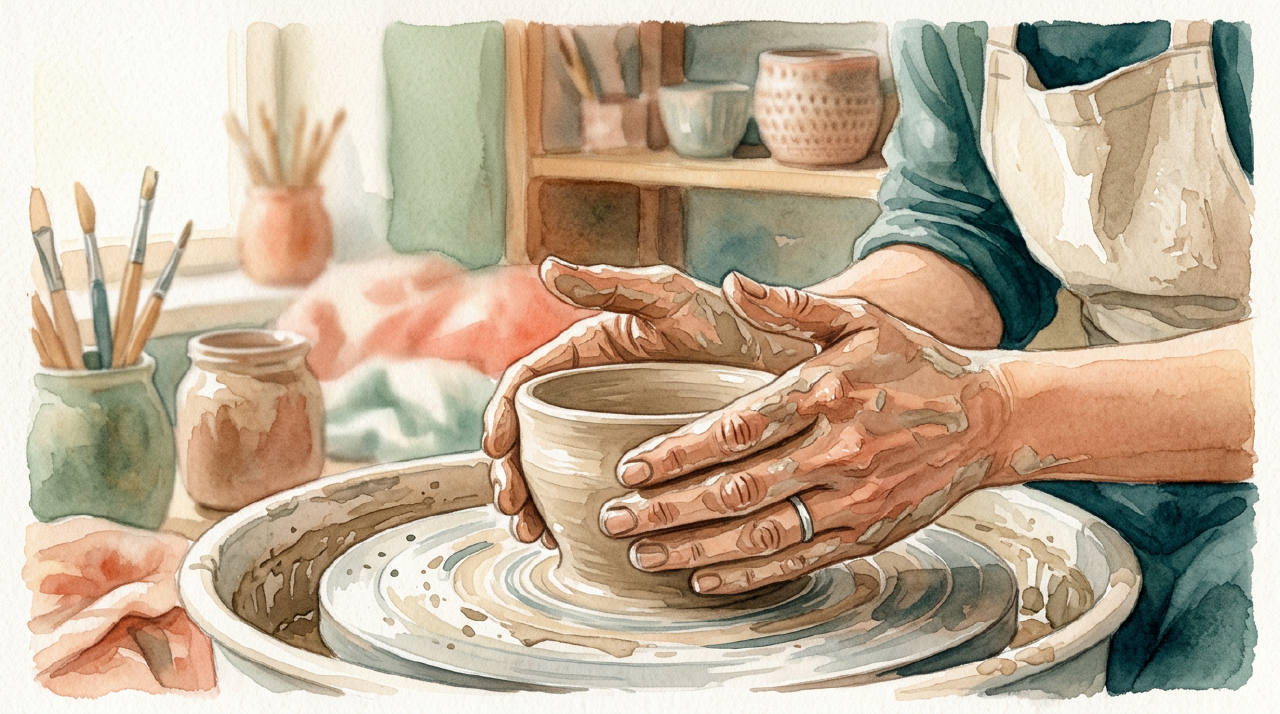
Here are some ideas to try this week:
- For Your Mind 🧘:
- Read a fiction book for pleasure.
- Listen to a long-form interview podcast or an audiobook.
- Do a jigsaw puzzle or a crossword.
- Try a guided meditation using an app like Araam.
- Write in a journal with no goal other than expressing your thoughts.
- For Your Body 💧:
- Cook a new recipe from a physical cookbook.
- Stretch for 10 minutes in the morning.
- Go for a bike ride or a swim.
- Try a new yoga class online (and then put the screen away!).
- Simply sit outside and drink a glass of water, paying attention to the sensation.
- For Your Soul ✨:
- Call a friend or family member for a real conversation (no texting!).
- Write a physical letter or postcard.
- Volunteer for a local cause.
- Visit a museum, gallery, or local landmark.
- Play a board game or card game with someone.
"The goal of a digital detox isn't to demonize technology or to live like a hermit. It's to move from a place of passive consumption to one of active, intentional engagement with your own life. It's about reclaiming your role as the curator of your own attention."
Step 5: Day 5 - From Consumer to Creator
So much of our time online is spent consuming what others have created. Today, flip the script.
- Estimated Time: 1-2 hours
- Required Tools: Varies by activity (e.g., pen and paper, gardening tools, musical instrument, craft supplies).
- Key Tip: Don't worry about the outcome. The purpose is not to create a masterpiece but to enjoy the process of making something with your own hands and mind.
Pick one creative activity—any activity. It could be sketching, writing a poem, baking bread, arranging flowers, or playing an instrument. Engaging the creative part of your brain is a powerful antidote to the passive scrolling state. It builds self-efficacy and reminds you that you are a producer, not just a consumer.
Step 6: Day 6 - Reflection and Insight
With one full day left, it’s time to check in with yourself. What has this experience been like?
- Estimated Time: 30 minutes
- Required Tools: Your journal and pen.
- Key Tip: Be honest with yourself. Note both the challenges and the rewards. This reflection is what will help you make lasting changes.
Return to your journal. Reread what you wrote on Day 0. Then, answer some new questions:
- What was the hardest part of this week?
- What was the most surprising or pleasant part?
- When did I feel the most present or joyful?
- What did I do with the time I would have spent scrolling?
- How has my mood, sleep, or anxiety level changed?
Step 7: Day 7 - Intentional Re-entry
The detox week is ending, but your new relationship with technology is just beginning. Today is about creating a sustainable plan for the future.
- Estimated Time: 30 minutes
- Required Tools: Your journal and pen, your smartphone.
- Key Tip: Don't just go back to your old ways. Reinstalling apps should be a conscious choice accompanied by new rules of engagement.
Decide which apps, if any, you want to reinstall. You might realize you don't miss some of them at all! For the ones you do bring back, set clear boundaries. Here are some ideas:
- Time-boxing: "I will only check Instagram for 15 minutes after dinner."
- Notification Control: Turn off all non-essential push notifications. Go to Settings > Notifications and be ruthless.
- Curate Your Feed: Unfollow accounts that make you feel bad. Follow more accounts that inspire or educate you.
- No-Phone Zones: Make your bedroom and your dinner table screen-free zones.
Measuring the Difference: Before and After
Tracking your progress can be incredibly motivating. It provides concrete evidence that your efforts are paying off. You can measure the change both subjectively (how you feel) and objectively (your screen time data). 📊
Mood and Energy Comparison
| Metric | Before Detox (Rate 1-10) | After Detox (Rate 1-10) |
|---|---|---|
| Anxiety Level | 8 | 4 |
| Quality of Sleep | 5 | 8 |
| Ability to Focus | 4 | 7 |
| Feeling of Connection | 5 (Superficial) | 8 (Deeper) |
| Overall Mood | 6 | 9 |
This is an example table. Create your own and fill it in based on your personal experience.
Visualizing Your Reclaimed Time
Think about the hours you spent on social media before. Now, visualize where that time went during your detox week.
            Your 24-Hour Day

|----------------|=================|++++++++++++|
^                ^                 ^            ^
Sleep       Work/Obligations     Mindless     Free Time
                                 Scrolling

          After Your Digital Detox

|----------------|=================|------------|XXXXXXXX|
^                ^                 ^            ^
Sleep       Work/Obligations     Free Time    INTENTIONAL
                                              ACTIVITY
                                              (Reading, Walking, Hobby)
This chart shows how the time previously lost to scrolling can be converted into valuable, intentional activity, enriching your day rather than draining it.
Avoiding Relapse: Making the Changes Stick
A one-week detox is a fantastic reset, but the real challenge is integrating these lessons into your daily life. Relapsing into old habits is common, but you can build systems to prevent it.
The key is to replace automatic, unconscious behavior with deliberate, conscious choices. Start by redesigning your phone's home screen. Move any remaining social or entertainment apps off the main screen and into a folder on the second or third page. This adds a moment of friction, forcing you to ask, "Do I really want to open this right now?"
Schedule your "digital downtime" just as you would a meeting or a workout. Block out an hour in the evening or your entire Sunday morning as screen-free time. Protect this time fiercely. Over time, these new patterns will become as natural as your old ones, but they'll serve your well-being instead of undermining it. 🕊️
Frequently Asked Questions
What if my job requires me to be on social media?
This is a common challenge. The goal isn't total abstinence but mindful use. If you need social media for work, use it on a desktop computer only during work hours. Don't install the apps on your phone. This creates a clear boundary between professional use and personal, mindless scrolling.
Is a 7-day detox really long enough to make a difference?
Yes! While longer is always an option, seven days is a powerful "pattern interrupt." It's long enough to break the compulsive checking habit, experience the benefits of being offline, and give you the clarity to set new, healthier boundaries. Think of it as a jump-start, not a finish line.
I "failed" and scrolled on Day 3. Should I just give up?
Absolutely not! This is a journey, not a pass/fail test. Non-judgment is a core principle of mindfulness. If you slip up, just notice it. Why did it happen? What can you learn from it? Then, gently guide yourself back to the plan. One moment of scrolling doesn't erase all your progress. The most important thing is to keep going.
When to See a Professional
This guide is for informational and educational purposes. While a digital detox can significantly improve well-being and reduce everyday stress, it is not a substitute for professional medical or mental health care. If you are experiencing severe anxiety, depression, or feel that your social media use is a true addiction that is negatively impacting your ability to function, it's important to speak with a therapist, counselor, or doctor. They can provide a clinical diagnosis and create a personalized treatment plan to support your mental health.
The Araam app is here to support you with guided meditations, mood tracking, and mindfulness exercises that can complement your journey. We're here to help you build a healthier, more intentional relationship with your mind—and your technology.