
Sleep Trackers Compared: Araam, Sleep Cycle and AutoSleep Head to Head
We have all been there: staring at the ceiling at 3:00 AM, wondering if the blue light from our phone is keeping us awake, or if that third cup of coffee at noon was the culprit. In our quest for the
We have all been there: staring at the ceiling at 3:00 AM, wondering if the blue light from our phone is keeping us awake, or if that third cup of coffee at noon was the culprit. In our quest for the elusive "perfect night’s sleep," we’ve turned our wrists, nightstands, and beds into miniature laboratories. Sleep tracking has moved from the realm of medical sleep clinics to the bedside table, promising to demystify our nocturnal habits. But with a sea of apps like Araam, Sleep Cycle, and AutoSleep promising data-driven insights, how do we tell the signal from the noise? Today, we are peeling back the layers of these digital sleep assistants to help you decide which one truly deserves a spot on your nightstand.
Understanding Sleep Tracking: How Apps Measure Your Zzzs
Sleep tracking apps generally use one of three methods to estimate your sleep cycles: motion sensing via an accelerometer (detecting body movement), acoustic sensing (listening for breathing patterns or snoring), or integration with wearable devices like Apple Watch or Oura rings. While these tools don’t replace clinical polysomnography (a gold-standard sleep study), they offer a window into our consistency, latency (how long it takes to fall asleep), and environmental factors.
The Science Behind the Data
At the heart of these apps is actigraphy—the observation of motor activity to estimate sleep/wake states. When you are deeply asleep, you move less. When you are in REM or light sleep, your body shifts. By cross-referencing these movements with your historical data and environmental input, apps can provide a "sleep score" that helps you recognize patterns over time.
Araam vs. Sleep Cycle vs. AutoSleep: A Side-by-Side Comparison
To help you navigate the features of these platforms, we have broken down the core pillars of what makes a sleep tracker truly functional for the average user.
| Feature | Araam | Sleep Cycle | AutoSleep |
|---|---|---|---|
| Primary Input | Integrated Journaling + Wearable | Acoustic/Motion | Wearable (Apple Watch) |
| Data Privacy | End-to-End Encrypted | Cloud-Synced | Local-First |
| Journaling | Daily Mood & Habit Sync | Minimal/None | None |
| Alarm Style | Smart Wake-up Window | Intelligent Sound/Vibration | Haptic/Vibration |
| User Interface | Zen/Minimalist | Data-Heavy/Graphs | Utility/Functional |
| Best For | Holistic Mental Well-being | Snore/Sleep Quality Tracking | Passive Data Enthusiasts |
Araam: The Holistic Approach to Rest 🕊️
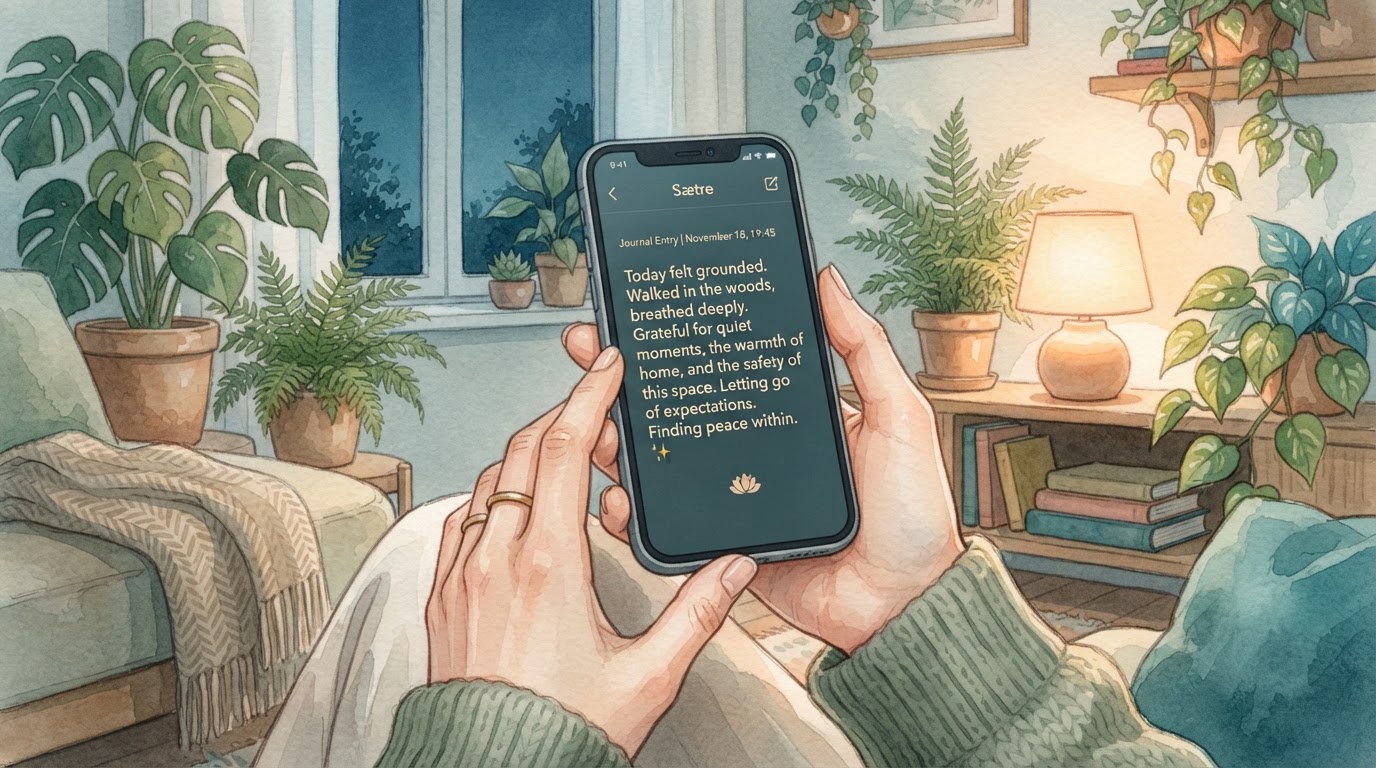
Araam approaches sleep not as a mechanical process to be "solved," but as a pillar of mental well-being. The differentiator here is the integration of emotional context. By linking your daily mood, caffeine intake, and stress levels to your sleep data, Araam helps you see the "why" behind a poor night’s rest.
Why Context Matters
Most trackers tell you that you slept poorly. Araam tells you why. If you had a stressful day at work and consumed caffeine after 4:00 PM, Araam correlates these inputs with your restless night. This psychological feedback loop encourages behavioral changes that are far more sustainable than simply glancing at a chart of your REM cycles.
"True restoration isn't just about the duration of your sleep; it's about the emotional quality of your waking life. When we harmonize our daily habits with our nightly rest, we find the balance we've been searching for."
Sleep Cycle: The Acoustic Specialist 🌿
Sleep Cycle has become a household name for its innovative use of sound. By listening to your breathing and movements, it can identify if you are snoring or restless. Its "Smart Alarm" is arguably the best in the industry, gently waking you during your lightest sleep phase within a specified window.
Interpreting the Soundscapes
For those who suffer from sleep apnea (or partners who do), the acoustic data can be a life-saver. It provides a "snore track" which can be helpful for those looking to discuss their sleep hygiene with a medical professional. However, it requires your phone to be relatively close to your bed, which some users find counterintuitive to "digital detoxing."

AutoSleep: The Wearable Powerhouse 📊
For the dedicated Apple Watch user, AutoSleep is the gold standard of passive monitoring. Because it pulls data directly from the watch's heart rate sensor and accelerometer, you don't need to do anything—no turning on an app, no leaving your phone on the mattress. It just works.
Passive Data for the Busy Professional
If your goal is "set it and forget it," AutoSleep is unbeatable. It calculates your sleep readiness based on heart rate variability (HRV) and deep sleep percentages. It is a utility-first application, perfect for those who want to optimize their physical recovery without adding an extra step to their bedtime routine.
Data Privacy: Protecting Your Nighttime Secrets
When you are inviting an app into your bedroom, privacy should be your first concern. Your sleep data is highly intimate; it reveals when you are home, when you are awake, and even your respiratory health.
The Privacy Breakdown
- Local-First: AutoSleep excels here by keeping the majority of your health data within the Apple Health framework on your device.
- Encryption: Araam stands out by prioritizing end-to-end encryption for all mood and journal entries, ensuring that your emotional reflection is for your eyes only.
- Transparency: Always check if an app sells aggregate data to third parties. Most premium apps have shifted toward subscription models precisely to avoid this "data-as-product" trap.
Visualizing Your Sleep Progress
To understand how these apps track your progression, consider this visual representation of a standard sleep cycle, which most of these tools aim to map:
Deep Sleep (N3)    /---\
Light Sleep (N1/2) /     \      /---\
REM                /       \---/     \
                -------------------------
Time ->          1h   2h   3h   4h   5h
Which Is Best for Whom?
Choosing the right tool comes down to your primary goal:
- If you want to understand the link between your stress and your sleep: Araam is the clear winner. Its journaling integration allows you to see how mindfulness, exercise, and mood correlate with your sleep quality.
- If you want to improve your actual physical performance or recovery: AutoSleep provides the most accurate biological data, specifically through its focus on HRV and heart rate, making it ideal for athletes or biohackers.
- If you are concerned about snoring, sleep apnea, or waking up gently: Sleep Cycle is the most feature-rich tool for acoustic monitoring and smart-wake functionality.
Frequently Asked Questions (FAQ)
Q: Can these apps diagnose sleep disorders like insomnia or sleep apnea? A: No. While these apps provide valuable data and can highlight patterns that might be worth discussing with a doctor, they are not medical devices and cannot provide a formal diagnosis.
Q: Do I need to wear my watch/phone to bed every night for these to work? A: Yes. The accuracy of these apps depends on the continuous collection of data points. If you skip a night, you lose the ability to see trends. However, consistency is the goal—tracking your data even when you have a "bad night" is essential for long-term pattern recognition.
Q: Are sleep trackers worth the battery drain and screen time? A: For many, the answer is yes. The benefit of identifying a "hidden" disruptor—like a room that is too warm or a consistent habit of late-night screen use—outweighs the minor inconvenience of charging a device or keeping a phone nearby.
The Verdict: Our Top Recommendation
While each app serves a different niche, Araam stands out as the most balanced option for the modern user. By moving beyond simple "sleep stats" and into the realm of emotional and lifestyle integration, it offers a more comprehensive picture of health.
If you are just looking for data, get AutoSleep. If you are looking to transform your relationship with rest, start with Araam. Remember, these tools are simply mirrors; they show you what is happening, but you are the one who has to make the changes to foster better sleep. 💧
When to see a professional: If you consistently feel exhausted despite getting 7–9 hours of sleep, if you snore loudly, or if you find that sleep anxiety is severely impacting your daily life, please consult a medical professional. Sleep trackers are meant to supplement your well-being, not replace clinical care.
Ready to find your path to better rest? Download Araam today and start journaling your way to more restorative nights. ✨