
Why 'Sober Curious' Has Become a Mental Health Movement
A few years ago, sitting at a dimly lit cocktail lounge in Brooklyn, I stared down at a sweat-beaded glass of mezcal and felt an unexpected wave of exhaustion wash over me. It was not physical fatigue
A few years ago, sitting at a dimly lit cocktail lounge in Brooklyn, I stared down at a sweat-beaded glass of mezcal and felt an unexpected wave of exhaustion wash over me. It was not physical fatigue, but an existential tiredness born of a predictable cycle: drink to unwind after a high-stakes workday, wake up at 3:15 a.m. with an elevated resting heart rate and a creeping sense of existential dread, drag myself through the morning with espresso, and repeat. I did not have a clinical substance use disorder, nor had I ever hit a cinematic "rock bottom." Yet, like millions of others navigating the ambient stress of modern life, I realized that my casual, socially celebrated drinking was taking an invisible, compounding toll on my psychological well-being. That evening, I made a quiet pivot toward what author Ruby Warrington famously coined "sober curiosity"—and in doing so, stepped into what has quietly become the most consequential grassroots mental health movement of our era.
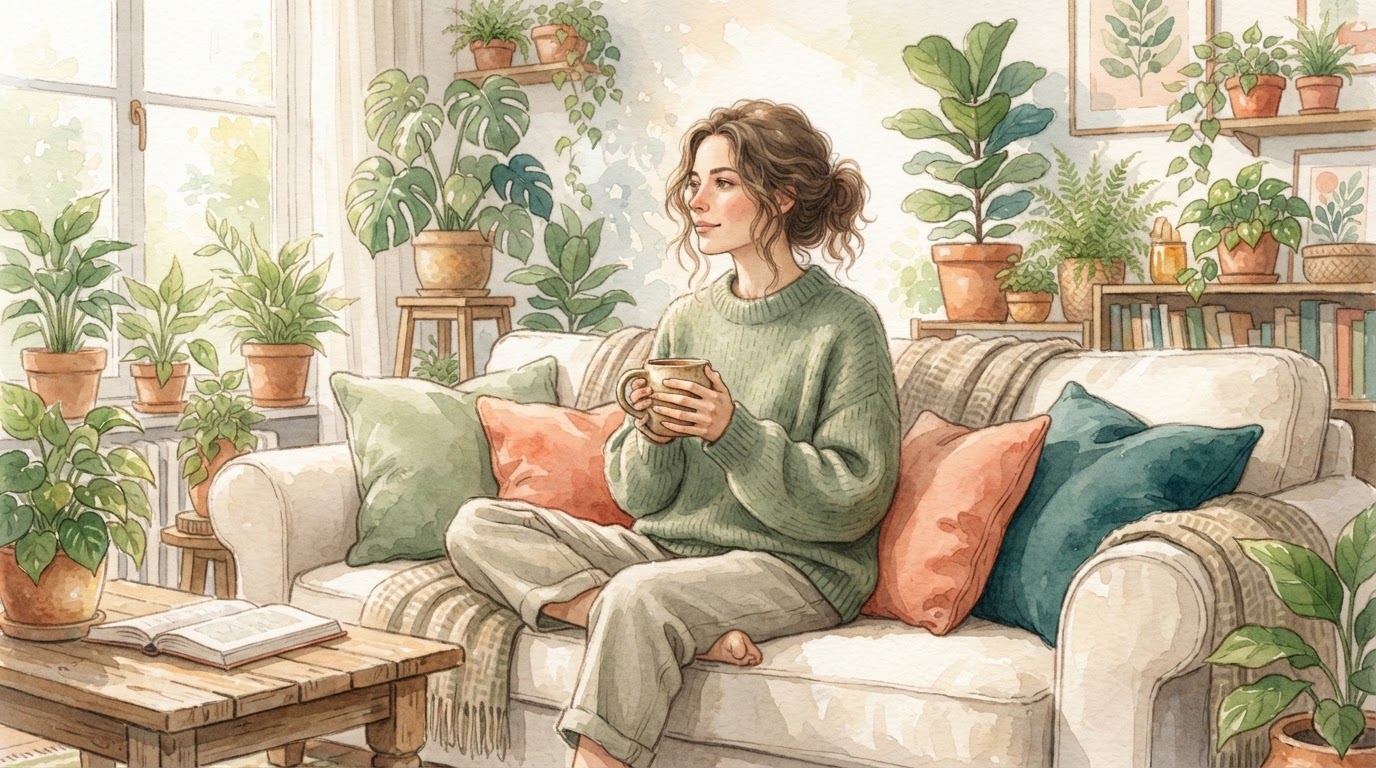
The Modern Reframe: Moving from Moralism to Mental Health
The sober curious movement is fundamentally different from the prohibitionist and temperance campaigns of the twentieth century; it is not a moral crusade, but a proactive psychological intervention 🌱. For decades, Western culture operated on a rigid binary: you were either an "alcoholic" who required total, lifelong abstinence under the umbrella of anonymous rooms, or you were a "normal" drinker entitled—and socially expected—to consume a known neurotoxin at every milestone, date night, and Tuesday happy hour. If alcohol made you depressed or anxious, the cultural consensus suggested the defect lay in your willpower, not the beverage.
My thesis is straightforward: The sober curious movement has gained massive momentum because it reframes alcohol consumption from a social convention into a critical mental health variable. It allows people to step outside cultural conditioning and ask a liberating, non-judgmental question: How does this substance actually make my mind feel?
When we strip away the glamour of marketing and peer pressure, we uncover a profound cultural awakening. We are no longer willing to trade 48 hours of emotional vulnerability, fragmented sleep, and baseline anxiety for two hours of chemical euphoria. Here is why the science, the psychology, and the lived experience of millions confirm that sober curiosity is, at its heart, an act of radical emotional self-care.
Argument 1: Escaping the Biological Trap of "Hangxiety"
Alcohol directly disrupts the brain’s primary chemical balancing act, and the physiological crash that follows is a leading invisible driver of modern anxiety. When we drink, alcohol acts as a central nervous system depressant by mimicking gamma-aminobutyric acid (GABA), the neurotransmitter responsible for feelings of calm and relaxation 🌿. Simultaneously, it inhibits glutamate, the brain’s primary excitatory neurotransmitter. The immediate result feels delightful: social inhibition dissolves, the inner critic softens, and a comforting numbness blankets the nervous system.
ALCOHOL'S NEUROCHEMICAL REBOUND (THE "HANGXIETY" CYCLE)
======================================================
[Drinking Begins]
  │  ▲ GABA (Artificial Tranquility)
  │  ▼ Glutamate (Suppressed Brain Activity)
  ▼
[Metabolic Processing (Midnight / Early Morning)]
  │  ▼ Alcohol clears the bloodstream rapidly
  │  ▲ Glutamate SURGE (Nervous system overcompensates)
  │  ▼ GABA CRASH (Natural calming mechanism depleted)
  ▼
[The Hangover Window]
  │  ▲ Systemic Cortisol & Epinephrine release
  │  ► Result: Tachycardia, racing thoughts, dread ("Hangxiety")
The Neurochemical Whiplash
The human brain is a master of homeostasis. Recognizing an artificial deluge of sedation, your nervous system responds by downregulating its natural GABA production and aggressively producing glutamate receptors to keep you conscious.
When your liver processes the alcohol a few hours later, the artificial brakes are suddenly ripped away while the excitatory gas pedal remains pressed to the floor. You are left with depleted calming chemicals and a massive surge of excitatory glutamate. This neurochemical whiplash is the biological engine of "hangxiety"—that pervasive, unexplainable sense of guilt, dread, and vulnerability that greets you the morning after drinking.
Cortisol Spikes and the Illusion of Stress Relief
Many people reach for a drink to decompress after an overwhelming day, mistaking chemical sedation for authentic stress relief. In reality, alcohol stimulates the hypothalamic-pituitary-adrenal (HPA) axis, triggering the release of cortisol, the body’s primary stress hormone 📊.
"We often consume alcohol to quiet the very nervous system that alcohol itself destabilizes. Stepping back allows us to see that the drink wasn't solving our anxiety; it was financing it on credit."
Over time, frequent drinking keeps baseline cortisol levels artificially high, leaving you less emotionally resilient when ordinary daily stressors arise. By stepping back to observe these shifts without self-judgment, sober curious individuals discover that removing alcohol does not leave them defenseless against stress; it eliminates the biological accelerant that was feeding the fire.
Argument 2: Reclaiming REM Sleep and Emotional Resilience
Alcohol is widely misunderstood as a sleep aid, yet it systematically destroys the sleep architecture essential for psychological repair and emotional regulation. Because alcohol is a sedative, it helps induce unconsciousness quickly, leading many people who struggle with racing thoughts at bedtime to self-medicate. But sedation is not physiological sleep.
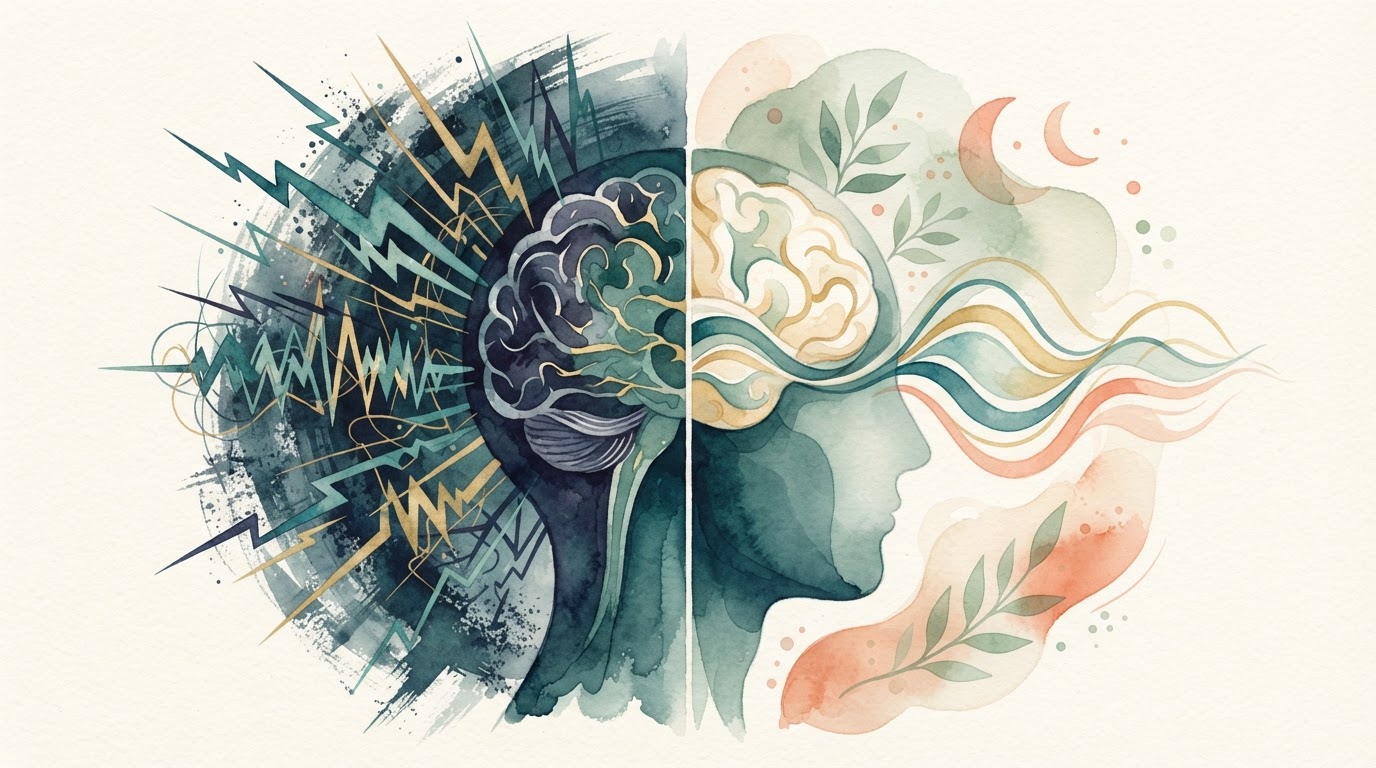
The Destruction of Rapid Eye Movement (REM)
During the first half of the night, while your body works to metabolize ethanol, alcohol suppresses Rapid Eye Movement (REM) sleep—the precise sleep stage where emotional processing, memory consolidation, and psychological integration occur 🕊️. When you miss out on sufficient REM sleep, your amygdala (the brain's threat-detection center) becomes significantly more reactive the following day, while the prefrontal cortex struggles to keep emotional responses measured.
SLEEP STAGE COMPOSITION: SOBER VS. ALCOHOL-DISRUPTED
-----------------------------------------------------------
Sober Restful Night:
[Light Sleep] -> [Deep Slow-Wave] -> [REM Cycle 1-4] -> Restored
Total Sleep Architecture Balanced; Complete Nervous System Recovery

Alcohol-Affected Night:
[Sedated Unconsciousness] -> [Suppressed REM] -> [Glutamate Rebound Awakenings]
Micro-arousals, elevated heart rate, emotional dysregulation next day
-----------------------------------------------------------
The 3:00 a.m. Wake-Up Call
As alcohol is cleared from the blood, the body experiences a mild withdrawal rebound in the second half of the night. This manifests as micro-arousals, night sweats, vivid stress dreams, and spikes in body temperature. You might be in bed for eight hours, but biologically, your brain was subjected to fragmented, low-quality rest.
When you eliminate or sharply reduce alcohol, one of the first subjective mental health improvements is the restoration of emotional margin. You no longer start your day with a sleep-deprived nervous system, giving you the patience, perspective, and cognitive clarity needed to navigate daily life without feeling constantly on the edge of burnout.
Argument 3: Uncoupling Social Connection from Liquid Disinhibition
The sober curious movement challenges the pervasive cultural myth that authentic human connection requires a shared chemical lubricant. From university orientations to corporate celebrations, alcohol has long served as a default social crutch. We use it to bypass social awkwardness, quiet our imposter syndrome, and fast-track a sense of intimacy.
The Problem with "Borrowed" Vulnerability
While drinking can create an immediate feeling of camaraderie, that closeness is often borrowed. Chemical disinhibition can mimic vulnerability without requiring the inner courage that genuine intimacy demands ✨. When the chemical wears off, the connection frequently feels thin, sometimes followed by the familiar sting of "vulnerability hangovers"—worrying whether we shared too much, spoke too loudly, or acted out of alignment with our values.
Building Authentic Social Self-Efficacy
Embracing sober curiosity allows you to build genuine social self-efficacy. When you learn to walk into a party, network at a conference, or navigate a romantic first date without a glass in hand, you are actively retraining your nervous system.
- You discover that your humor, empathy, and insight are intrinsic qualities, not properties granted to you by a beverage.
- You learn to tolerate the natural initial awkwardness of social gatherings, discovering that it typically dissipates after twenty minutes of its own accord.
- You establish connections grounded in shared values and authentic presence rather than mutual sedation.
- You retain full agency over your boundaries, conversations, and decisions throughout the entire encounter.
Choosing sobriety in social spaces is not an act of self-deprivation; it is an exercise in showing up fully as yourself, unfiltered and grounded.
Comparing Approaches: Traditional Recovery, Sober Curiosity, and Habitual Drinking
To understand why the sober curious movement has resonated with such a wide demographic, it helps to look at how it compares to both unconscious social drinking and traditional recovery frameworks.
| Dimension | Habitual Social Drinking | Sober Curious Exploration | Traditional Recovery / Abstinence |
|---|---|---|---|
| Primary Motivation | Social conformity, unwinding, cultural default | Mental health optimization, clarity, self-inquiry | Arresting addiction, physical health, survival |
| Guiding Mindset | Unquestioned consumption; normalization of side effects | Experimental, gentle, non-judgmental inquiry | Lifelong commitment to total abstinence |
| Core Identity | "Social Drinker" or "Moderate Drinker" | Fluid; person-first; unattached to rigid labels | "In Recovery" or "Person with AUD" |
| Approach to Relapse | N/A (Considers heavy drinking normal or humorous) | Seen as valuable data about triggers and habits | Seen as a critical break in sobriety requiring immediate attention |
| Relationship to Community | Centered around bars, happy hours, and rituals | Centered around wellness, mindful living, and mocktail spaces | Centered around peer-support fellowships and clinical resources |
This spectrum demonstrates why sober curiosity has unlocked freedom for so many: it introduces a middle path. One does not need to accept chronic low-grade depression as the price of socializing, nor do they need to hit a catastrophic rock bottom to make a healthy change.
What the Critics Say—and Why They Miss the Point
Despite its popularity, the sober curious movement faces persistent criticism from two distinct camps. On one side, industry traditionalists dismiss it as an ephemeral lifestyle trend—a superficial wellness fad marketed by influencers selling twenty-dollar botanical adaptogens. On the other side, some recovery purists voice concern that casual curiosity trivializes the life-and-death struggle of severe Alcohol Use Disorder (AUD), arguing that rebranding sobriety as a chic lifestyle choice obscures the clinical realities of addiction.
Both critiques raise points worth considering, but they ultimately overlook the transformative potential of this cultural shift.
First, while commercial wellness culture has certainly capitalized on the trend with boutique non-alcoholic spirits and lavish dry retreats, the core practice of sober curiosity costs nothing. It requires only curiosity, introspection, and a glass of sparkling water with lime 💧. To reduce an empowering personal inquiry to consumerism ignores the millions of people quietly improving their mental health in their own kitchens and communities without spending a dime.
Second, far from undermining clinical recovery, sober curiosity acts as a vital, non-stigmatized on-ramp for harm reduction. Traditional models often require an individual to admit absolute powerlessness before seeking change—a threshold that keeps countless people drinking long past the point of comfort because they do not feel "bad enough" to warrant help.
By removing the shame, binary labels, and moral failure narratives surrounding alcohol reduction, sober curiosity expands the conversation. It normalizes questioning alcohol before catastrophic consequences occur. In doing so, it serves as a compassionate bridge toward healthier living for anyone, wherever they happen to fall on the spectrum of consumption.
Five Grounded Practices for the Sober Curious
If you feel called to explore your relationship with alcohol through a mental health lens, consider these gentle, practical shifts rather than imposing rigid rules:
- Track the Mental Hangover, Not Just the Physical One: The next time you drink, take note of your mental and emotional state over the following 48 hours. Keep a brief log of your energy, sleep quality, and baseline anxiety to gather objective data on how your body actually responds 💡.
- Find Your Go-To Sensory Replacement: Drinking is deeply tied to somatic transitions—marking the end of the workday, holding something cold, tasting something complex. Swap out the alcohol for tonic water with fresh herbs, unsweetened tart cherry juice, or kombucha to honor the sensory ritual without the chemical cost.
- Adopt a "Pause" Rather than a "Forever": The thought of never drinking again can feel overwhelming and provoke psychological resistance. Give yourself permission to experiment with smaller windows—a single weekend, a mindful fortnight, or 30 days—approaching it as an open scientific study of your own well-being.
- Rehearse Your Script: Social pressure often catches us off guard. Prepare a simple, confident statement for social settings: "I'm taking a break tonight because I want great sleep," or "I'm focusing on my mental clarity this month." Notice how little other people actually care when you deliver your choice with calm confidence.
- Notice the Morning Contrast: When you wake up on a Saturday or Sunday morning clear-eyed, calm, and free of panic, take two uninterrupted minutes to sit with that feeling. Let the tangible joy of emotional equilibrium sink in as positive reinforcement.
Frequently Asked Questions About the Sober Curious Movement
What is the difference between "sober curious" and "mindful drinking"?
While both philosophies encourage greater self-awareness, mindful drinking generally focuses on being consciously present while you consume alcohol—paying close attention to pace, sensory appreciation, and quantity. Sober curiosity, by contrast, focuses more heavily on the intentional decision to take extended breaks or abstain entirely to examine how life, mood, and mental clarity feel without alcohol in the system.
Can sober curiosity help if I already struggle with high daily anxiety?
For many people, stepping away from alcohol leads to a measurable decrease in baseline anxiety within two to four weeks. Because alcohol interferes with neurotransmitter balance and elevates physiological stress responses, eliminating it removes a primary underlying trigger of the anxiety loop. However, sober curiosity is a lifestyle practice, not a substitute for clinical psychiatric care or targeted therapy.
What should I do if my social circle revolves around drinking culture?
Navigating social circles requires clear, gentle boundaries. Start by suggesting activities that do not center on alcohol, such as morning coffee walks, outdoor hikes, or visiting an art exhibit. When joining friends at a bar, order a non-alcoholic beverage right away so you have a drink in hand. True friends will quickly adapt; if certain relationships rely entirely on shared intoxication, that provides valuable information about the depth of those bonds.
When to Seek Professional Guidance
While sober curiosity is a flexible, empowering approach to wellness, it is essential to distinguish lifestyle exploration from the clinical treatment of severe chemical dependency. If you experience physical withdrawal symptoms when you stop drinking—such as tremors, severe sweating, nausea, rapid heart rate, or intense agitation—you should seek immediate medical supervision, as alcohol withdrawal can be medically dangerous.
Similarly, if you find yourself unable to stop drinking despite recurring, serious disruptions to your health, relationships, or work, reach out to an addiction medicine specialist, a licensed counselor, or a verified peer support program. There is deep strength in seeking clinical care when self-guided lifestyle shifts are not enough.
Curious about how your daily routines shape your emotional landscape? Araam is your compassionate, science-backed AI companion for mental health—designed to help you untangle habits, track emotional triggers, and find genuine calm from the inside out.