The 90-Minute Wind-Down Checklist for Deeper Sleep
That restless feeling of being "tired but wired" is an all-too-common paradox of modern life. You’ve powered through a demanding day, your body is heavy with fatigue, yet your mind is running a marath
That restless feeling of being "tired but wired" is an all-too-common paradox of modern life. You’ve powered through a demanding day, your body is heavy with fatigue, yet your mind is running a marathon of its own, replaying conversations, adding to tomorrow's to-do list, and wrestling with a low-grade hum of anxiety. Lying in the dark, you wish for a simple off-switch for your brain. The good news is, while there’s no magic switch, there is a science-backed process: the wind-down. By dedicating the last 90 minutes of your day to intentionally signaling safety and rest to your nervous system, you can create a gentle, predictable runway that guides your mind and body from the busyness of the day into the restorative depths of sleep.
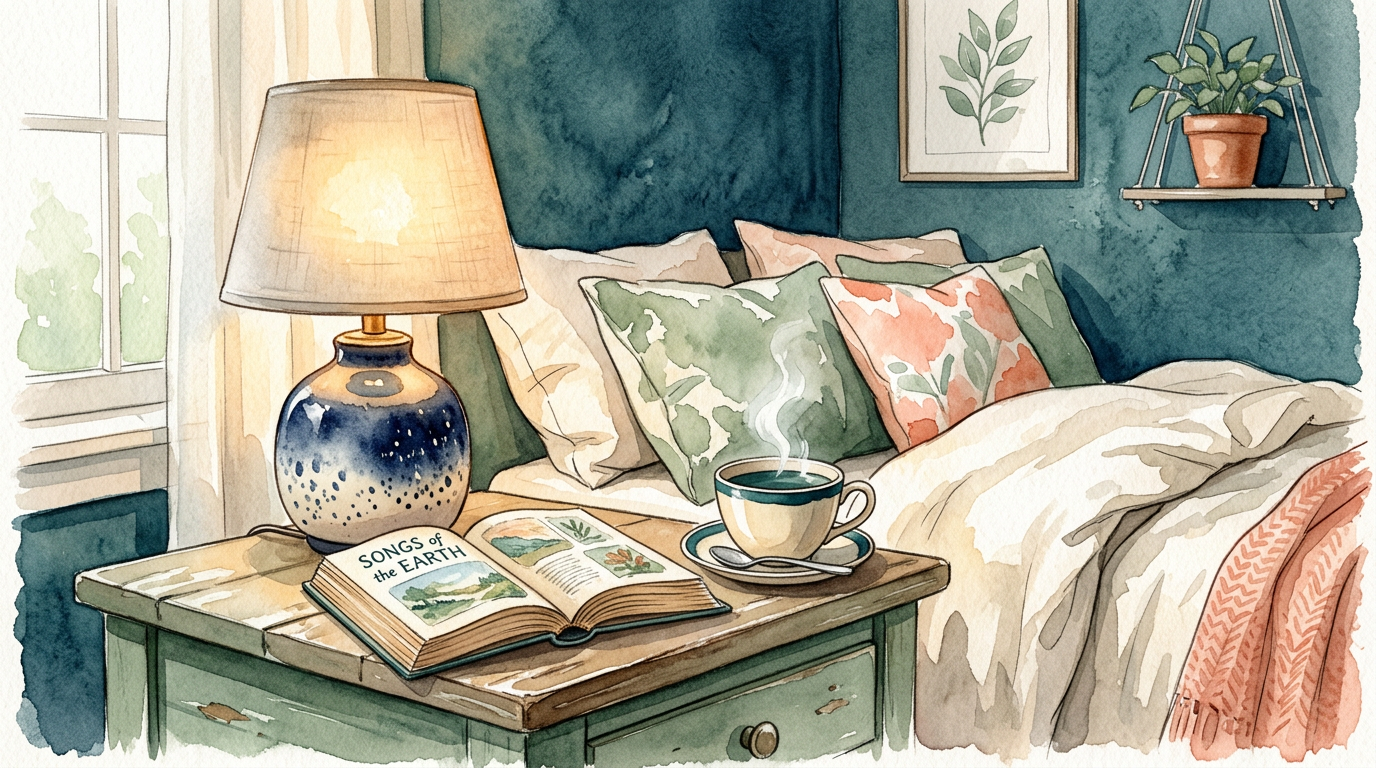
[[IMAGE:fig1|A serene and cozy bedroom at dusk with soft, warm light from a bedside lamp. A physical book and a steaming mug of herbal tea sit on a simple wooden nightstand.|A minimalist, cozy bedroom at dusk. The main source of light is a single, warm-toned lamp on a nightstand. On the nightstand, an open paperback book rests next to a ceramic mug releasing a gentle wisp of steam. The bed has soft, natural-toned linens. The overall feeling is one of peace, calm, and invitation to rest.]]
The Science of the Wind-Down: Why 90 Minutes?
The key to falling asleep faster and achieving deeper sleep lies in working with your body’s natural rhythms, not against them. Your sleep is primarily governed by two systems: sleep pressure (the longer you’re awake, the sleepier you get) and your circadian rhythm (your internal 24-hour clock). This internal clock is highly sensitive to environmental cues, especially light, temperature, and stress. When it gets dark, your brain’s pineal gland begins producing melatonin, the "hormone of darkness," which makes you feel sleepy. However, modern life is filled with things that disrupt this process: the bright blue light from our screens, late-afternoon caffeine, and the lingering stress from a busy day, which keeps our cortisol (the "stress hormone") levels elevated.
So, why 90 minutes? A 90-minute routine provides a dedicated buffer zone to consciously transition away from these sleep-disrupting stimuli. It allows enough time for:
- Hormonal Shift: Giving your body the cues (dim light, warmth followed by cooling) it needs to suppress cortisol and ramp up melatonin production. ✨
- Psychological Disengagement: Creating mental distance from the day's responsibilities and stressors, allowing your mind to slow down.
- Physiological Relaxation: Lowering your heart rate, dropping your core body temperature, and relaxing your muscles, all of which are precursors to sleep.
Interestingly, 90 minutes is also the average length of a full human sleep cycle. By aligning your wind-down period with this natural biological rhythm, you create a powerful, resonant ritual that your body and brain can learn to recognize as the definitive start of the sleep process.
Your 90-Minute Wind-Down Checklist
Think of this checklist not as a rigid set of rules, but as a menu of evidence-based options. Your goal is to create a personal ritual that feels nurturing and sustainable for you. The structure is broken into three 30-minute phases, moving from practical tasks to sensory soothing to deep mental calm.
Phase 1: The Digital Sunset & Day's End (90-60 mins before bed)
This phase is about closing the loops of the day and beginning your separation from the digital world. The goal is to handle any lingering tasks so your mind doesn't snag on them later.
- Set your alarm for the morning. Get this practical task out of the way so you aren't thinking about it in bed.
- Plug in all devices...outside the bedroom. This removes the temptation to scroll and keeps disruptive light and notifications out of your sleep sanctuary.
- Write a "brain dump" list for tomorrow. Offload any nagging thoughts, to-dos, or worries onto a piece of paper. This act of externalizing them gives your mind permission to let go. 💡
- Do a quick 5-minute tidy. Straighten the living room cushions, wipe down the kitchen counter, or clear your desk. A tidy space promotes a calmer mind.
- Prepare what you need for the morning. Lay out your clothes, pack your gym bag, or prep your lunch. Future You will be grateful, and Present You can relax more deeply.
Phase 2: The Sensory Shift (60-30 mins before bed)
Now you shift your focus to the physical environment and your body. The aim is to use your senses to signal that it's time for rest.
- Dim the lights. Lower the lights in your home or switch to warm-toned lamps. This is a primary cue for your brain to start producing melatonin.
- Lower the thermostat. Your core body temperature needs to drop to initiate sleep. A cool room (around 60-67°F or 15-19°C) facilitates this process.
- Take a warm bath or shower. The magic here isn't just the relaxing warmth. When you get out, the rapid cooling of your body mimics the natural temperature drop required for sleep, accelerating drowsiness. 💧
- Change into comfortable sleepwear. Choose soft, breathable fabrics like cotton or linen that won't make you overheat.
- Engage your sense of smell. Use an essential oil diffuser with lavender or chamomile, or spritz your pillow with a calming linen spray.
- Brew a cup of caffeine-free herbal tea. Chamomile, valerian root, passionflower, or a simple "sleepytime" blend can have mild sedative properties and create a comforting ritual. 🌿
Phase 3: The Mindful Descent (30-0 mins before bed)
This final phase happens in or near your bed and is all about gently quieting the mind.
- Read a physical book. Reading fiction is particularly effective as it engages your imagination and pulls you out of your own head. Avoid non-fiction that is stimulating or work-related.
- Practice gentle, restorative stretching. Focus on slow, mindful movements. A few simple cat-cow stretches, a forward fold, or lying with your legs up the wall can release physical tension. 🧘
- Listen to calming audio. This could be a guided meditation, a sleep story, a tranquil playlist of instrumental music, or even the sound of rain.
- Journal for gratitude. Shift your focus from what's wrong to what's right. Write down three specific things that went well today or that you're grateful for.
- Practice a breathing exercise. The 4-7-8 technique is excellent for activating the parasympathetic "rest and digest" nervous system. Inhale for 4 seconds, hold for 7, and exhale slowly for 8. Repeat 3-5 times.
- Perform a final body scan in bed. Once the lights are out, mentally scan your body from your toes to the top of your head, consciously softening and relaxing each muscle group. 🕊️
A Note for Easy Use: Feel free to copy this checklist into a notes app or print it out and place it on your nightstand as a gentle reminder while you build your new habit.
[[IMAGE:fig2|A close-up shot of a person's hands writing in a journal with a pen. Next to the journal, a steaming mug of tea sits on a wooden nightstand with soft lighting.|Overhead close-up of a person's hands holding a simple fountain pen and writing on the open page of a notebook. Next to the notebook is a ceramic mug with a wisp of steam rising. The scene is lit by a single warm, soft light source, creating a cozy and intimate atmosphere.]]
How to Use This Checklist: Making It Your Own
The most effective sleep routine is the one you’ll actually do. The checklist above is a comprehensive buffet, not a mandatory tasting menu. The goal is consistency, not perfection.
- Start Small: If 90 minutes feels overwhelming, start with 30. Choose just 3-4 activities that feel most appealing and achievable. Perhaps it’s just dimming the lights, brewing tea, and reading for 15 minutes. Once that becomes a habit, you can gradually expand your routine.
- Listen to Your Body: Pay attention to how different activities make you feel. Does a hot bath make you sleepy, or does it energize you? Does journaling calm your mind, or does it sometimes stir things up? Adjust accordingly. Maybe a "brain dump" is better in the early evening, while gratitude journaling is best right before bed.
- Be Flexible: Life happens. Some nights you'll get home late or have social commitments. Don't let an "all-or-nothing" mindset derail your efforts. On those nights, even a 10-minute routine of deep breathing and reading a single page of a book is far better than nothing. It maintains the habit and still sends a signal to your brain that sleep is coming.
The quality of your day is determined by the quality of your night. A wind-down routine isn't a luxury; it's the foundational practice for a well-rested, more resilient you.
Comparing Evening Activities: Sleep Boosters vs. Sleep Busters
Not all pre-bed activities are created equal. Here’s how some common choices stack up and why they impact your ability to fall asleep.
| Activity | Impact on Sleep | Scientific Reason |
|---|---|---|
| Scrolling Social Media | ❌ Negative | The combination of bright blue light suppresses melatonin, while the content (news, social comparison) can increase cortisol and emotional arousal. |
| Watching an Action Movie | ❌ Negative | The fast pace, loud sounds, and dramatic plot are designed to be stimulating, raising your heart rate and engaging your sympathetic (fight-or-flight) nervous system. |
| Reading a Physical Book | ✅ Positive | Reduces stress by up to 68%. It's a low-stimulation activity that allows the mind to disengage from real-world worries. The lack of blue light is key. |
| Gentle Stretching | ✅ Positive | Eases muscle tension and promotes mindfulness. When paired with deep breathing, it activates the parasympathetic (rest-and-digest) nervous system. 🧘 |
The Rhythm of Rest: Melatonin & Cortisol 📊
Your wind-down routine is essentially a conversation with your hormones. You're gently telling cortisol to quiet down and inviting melatonin to take center stage. An ideal evening hormonal shift looks something like this:
Evening Hours  | Cortisol (Stress) | Melatonin (Sleep)
---------------+-------------------+-------------------
7:00 PM        |  ███████           |  █
8:30 PM        |  █████             |  ███
10:00 PM       |  ███               |  ███████
11:30 PM       |  █                 |  ██████████
---------------+-------------------+-------------------
               (Decreasing)        (Increasing)
By dimming lights, managing stress, and creating calm, you ensure this natural, healthy transition happens every night.
Frequently Asked Questions
What if I don't have 90 minutes to spare?
That's completely fine. Any dedicated wind-down time is better than none. Start with just 30 minutes. Focus on the highest-impact activities for you: turning off screens, dimming the lights, and doing five minutes of deep breathing or reading. The key is to create a clear transition, no matter how short.
How can I control the environment if I live with family or roommates?
This is a common challenge. Focus on what you can control. You might not be able to dim all the lights in the house, but you can control your bedroom. Make it a screen-free, cool, dark sanctuary. Use an eye mask to block out light and earplugs or a white noise machine to block out sound. You can read with a warm-hued book light instead of a bright overhead light.
Will this routine work on the very first night?
It might, but it's more likely you'll see benefits build over time. Our brains and bodies thrive on routine. When you perform the same sequence of calming activities consistently, your body learns to associate them with sleep. After a week or two, you may find that simply starting your routine—like brewing your favorite herbal tea—is enough to make you feel sleepy. Be patient and compassionate with yourself. 🌱
When to See a Professional
While a structured wind-down routine can dramatically improve sleep for many people, it is not a cure-all for clinical sleep disorders. If you consistently struggle with falling or staying asleep, experience severe daytime fatigue, loud snoring, or believe your sleep problems are linked to anxiety or depression, it is important to consult a healthcare professional. They can help rule out underlying medical conditions like sleep apnea or chronic insomnia and guide you toward the most appropriate treatment.
For support in building your mindfulness and relaxation habits, consider exploring Araam. Our library of guided meditations, sleep stories, and calming soundscapes can be a perfect companion for your new 90-minute wind-down ritual, helping you quiet your mind and drift off to the deep, restorative sleep you deserve.