أصوات مهدئة
امزج عدة أصوات مع مؤقت نوم
مزيج ذكي بالذكاء الاصطناعي
اختر حالة مزاجية — سيصنع الذكاء الاصطناعي مزيجًا صوتيًا لك.
الترددات الثنائية
يتطلب سماعات رأسترددان متقاربان، واحد لكل أذن، ينشئان نبضًا يدركه الدماغ ويرتبط بحالات ذهنية مختلفة.
مؤقت النوم
اختر صوتًا أولاً
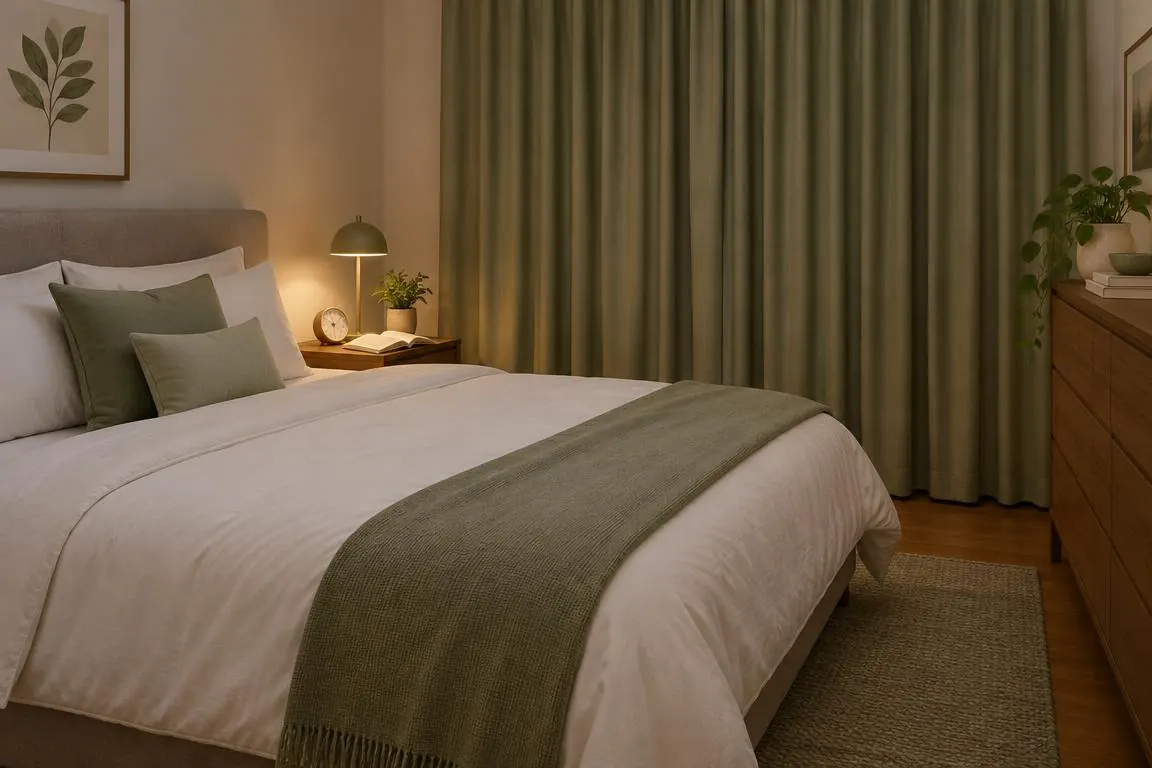
لماذا يساعد الصوت
يخفي رد فعل الانذعار
الصوت الثابت واسع النطاق يضيّق الفجوة بين الخلفية والضجيج المفاجئ، فلا يوقظك باب أو سيارة فجأة.
يبطئ التنفس
إيقاعات الأمواج والمطر تقارب ست أنفاس في الدقيقة؛ يوائم الناس تنفسهم معها دون وعي.
يحدد الحدود
نفس المزيج في نفس الساعة يصبح إشارة مشروطة بأن وقت التوقف عن العمل أو النوم قد حان.
يبقي التركيز رخيصًا
الصوت غير الكلامي يشغل جزء الانتباه الذي كان سيطارد المشتتات.
العلم باختصار
يعمل الصوت الخلفي المستمر غالبًا عبر الإخفاء: يرفع عتبة الضجيج بحيث لا تتجاوز الأصوات المتقطعة العتبة التي تثير اليقظة. تُظهر تجارب الضوضاء واسعة النطاق في بيئات مضطربة النوم وقتًا أقصر للنوم، وتجد دراسات مضبوطة على أصوات الطبيعة باستمرار توترًا مُبلَّغًا عنه أقل وتعافيًا أسرع للجهاز السمبثاوي مقارنة بضوضاء المدينة أو الصمت. الاختلافات بين ألوان الضوضاء طيفية غالبًا: الأبيض مسطح، الوردي ينخفض 3 ديسيبل لكل أوكتاف ويبدو أنعم، البني ينخفض 6 ديسيبل ويُسمع كهدير عميق.
كيف تبني مزيجًا
- 1
اختر طبقة أساس واحدة — مطر أو محيط أو ضوضاء بنية — واجعلها أعلى عنصر.
- 2
أضف لمسات لا تزيد عن اثنتين، مثل رعد بعيد أو أزيز خفيف، أضعف بكثير من الأساس.
- 3
اضبط الصوت فوق الضجيج الذي تخفيه بقليل؛ الأعلى ليس أفضل ويؤذي على مدى ساعات.
- 4
اختر مؤقتًا: 30–45 دقيقة لبدء النوم، أو الجلسة كاملة لعمل مركّز.
- 5
احفظ المزيج ليكون إشارة الغد مطابقة — التكرار هو ما يجعله إشارة.
ملاحظات عملية
- ✦أبقِ الاستماع الطويل قريبًا من 50 ديسيبل — بمستوى ثلاجة هادئة تقريبًا.
- ✦للنوم، فضّل سماعة خارجية على السدادات؛ ضغط الأذن الداخلي لثماني ساعات قد يهيّج القناة.
- ✦الضوضاء البنية تناسب الجيران منخفضي التردد (المرور، الخطوات)؛ الوردية تناسب الأصوات والتلفاز.
- ✦تجنب الكلمات واللحن أثناء الدراسة — كلاهما ينافس الذاكرة العاملة اللفظية.
- ✦إذا كان طنين الأذن هو سبب استماعك، مستوى أقل قليلًا من الطنين أفضل من إغراقه.
أي صوت لأي موقف
| الصوت | الأنسب لـ | ملاحظات |
|---|---|---|
| ضوضاء بنية | حجب المرور والباص | أعمق نغمة، الأقل إرهاقًا لفترات طويلة |
| ضوضاء وردية | الأصوات، التلفاز، ثرثرة المكتب | أنعم من البيضاء؛ شائعة في أبحاث النوم |
| ضوضاء بيضاء | إخفاء واسع، غرف المواليد | ساطعة؛ اجعلها هادئة وقصيرة |
| مطر | الاسترخاء، القراءة | غير منتظمة بما يكفي لتبقى ممتعة |
| أمواج المحيط | تنفس بطيء، تعافٍ من الهلع | إيقاع طبيعي 6 في الدقيقة |
| ثنائي الأذن / أزيز | فترات التركيز | استخدم سماعات الرأس؛ تخطَّه إن شعرت بالإزعاج |
التفضيل الشخصي يتفوق على النظرية. إن أزعجك صوت فلن يريحك مهما قالت التسمية.
أسئلة شائعة
هل النوم بصوت طوال الليل آمن؟+
بمستوى منخفض، نعم لمعظم الناس. أبقه حول 50 ديسيبل، واستخدم سماعة خارجية بدلًا من السدادات، واضبط مؤقتًا إن كنت تستيقظ بسهولة في النصف الثاني من الليل.
أبيض أم وردي أم بني — أيهما أفضل؟+
البني للتداخل منخفض التردد، الوردي للكلام والتلفاز، الأبيض للإخفاء الواسع. يجد معظم الناس البني والوردي أسهل في الجلسات الطويلة.
هل النبضات الثنائية فعّالة حقًا؟+
الأدلة متضاربة والتأثيرات صغيرة. هي دعامة تركيز ممتعة، لا علاج — وتحتاج سماعات رأس لتعمل أصلًا.
هل يمكنني مزج عدة أصوات؟+
نعم. ضع طبقة أساس مع لمسة أو اثنتين أهدأ، ثم احفظ المزيج لاستدعاء نفس الإشارة تمامًا غدًا.
هل يعمل دون اتصال؟+
بمجرد تشغيل صوت مرة، يخزّنه التطبيق مؤقتًا، فتستمر المزائج المحفوظة بالعمل دون اتصال.