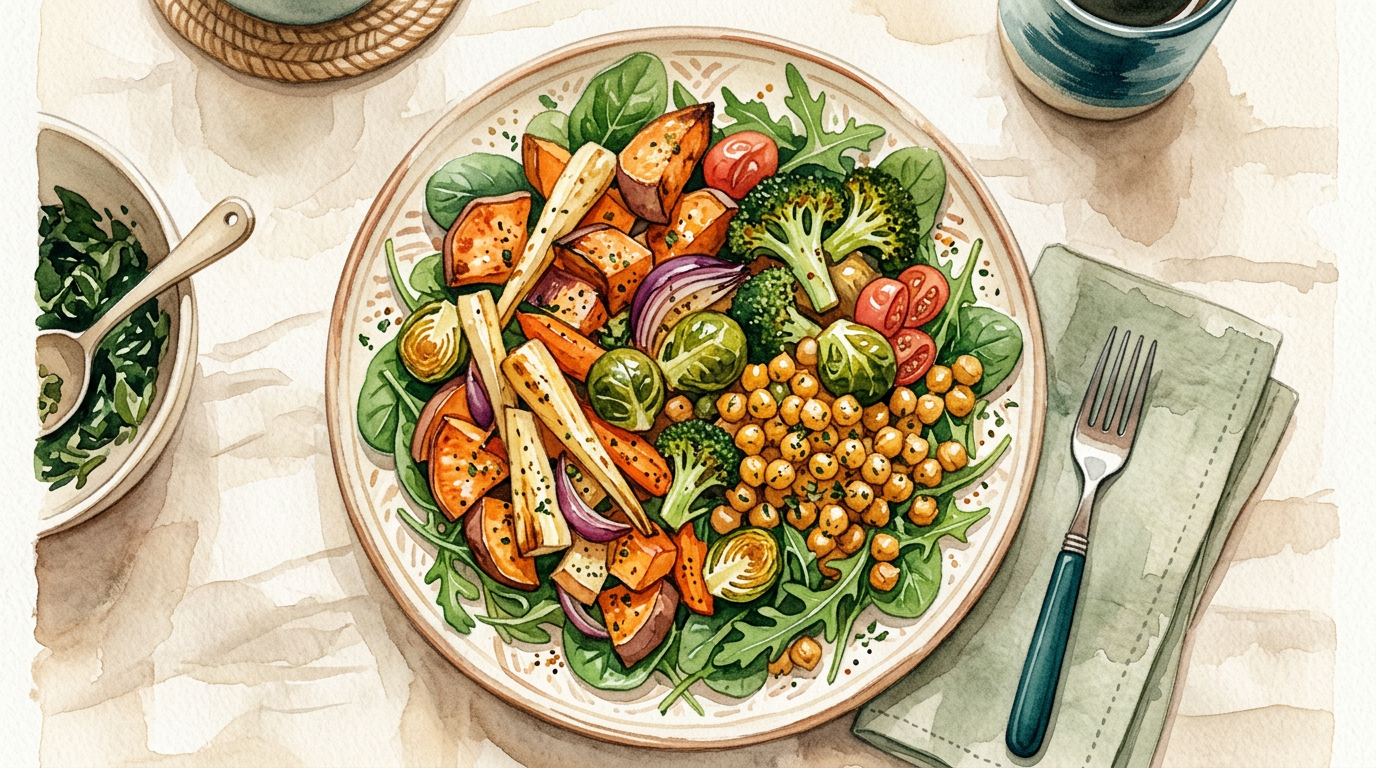
Plant-Based Eating and Mood: What the Evidence Actually Shows
Have you ever noticed how a heavy, greasy meal can leave you feeling sluggish and down, while a fresh, vibrant salad can somehow make you feel lighter and clearer? It’s not just in your head. The conn
Have you ever noticed how a heavy, greasy meal can leave you feeling sluggish and down, while a fresh, vibrant salad can somehow make you feel lighter and clearer? It’s not just in your head. The connection between what we eat and how we feel is becoming one of the most exciting frontiers in wellness science. As more people explore plant-based eating for its physical health and environmental benefits, a compelling new question has emerged: can shifting our plates toward plants also shift our mood for the better? The answer, it turns out, is deeply rooted in the complex and beautiful biology of our own bodies, from the sunshine on our skin to the trillions of microbes in our gut.
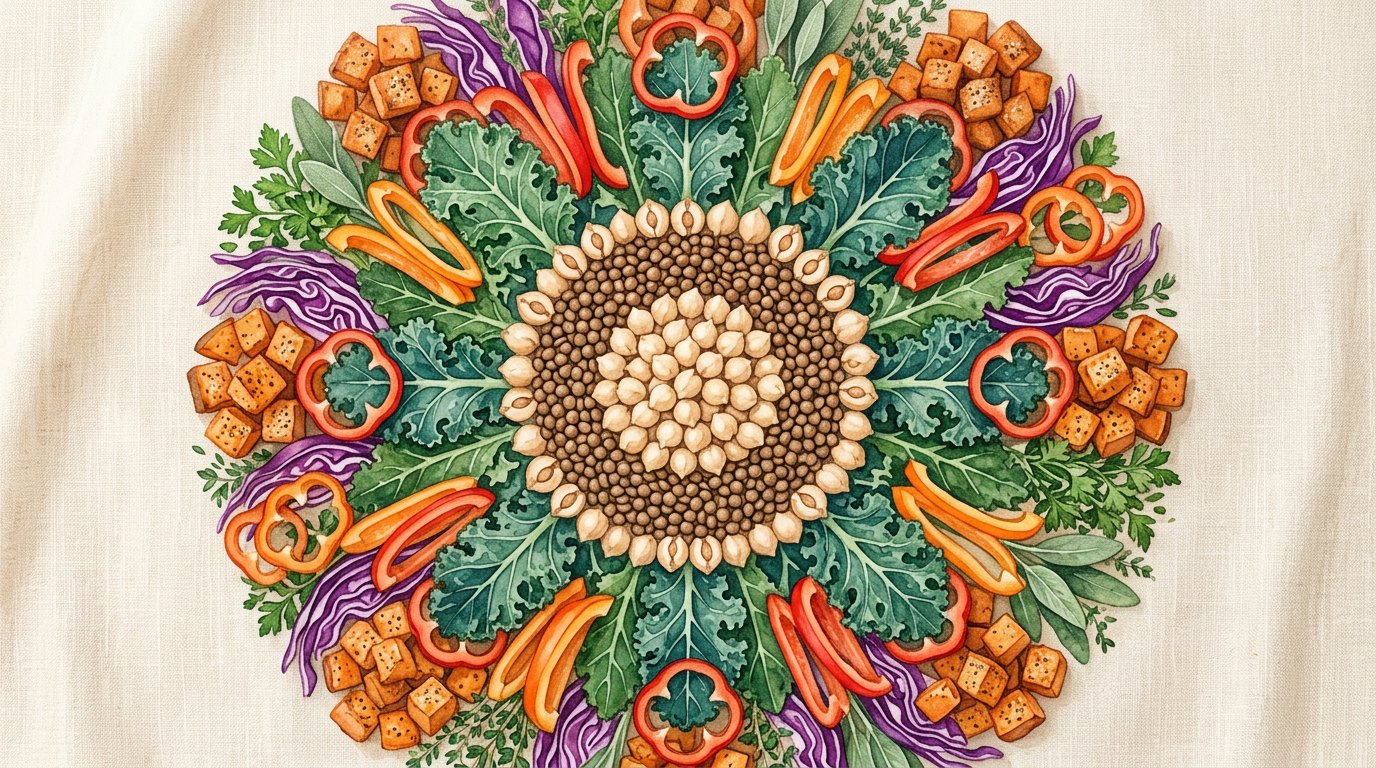
What Is Plant-Based Eating, Exactly?
Plant-based eating is a dietary pattern that emphasizes whole, minimally processed foods derived from plants, including fruits, vegetables, whole grains, legumes, nuts, and seeds. It's not necessarily about strict exclusion, but rather about intentional inclusion. Unlike some diets with rigid rules, plant-based eating exists on a flexible spectrum.
Understanding the different approaches can help you find what feels right for you:
- Vegan: This approach excludes all animal products, including meat, poultry, fish, dairy, eggs, and honey.
- Vegetarian: This approach excludes meat, poultry, and fish, but may include dairy (lacto-vegetarian), eggs (ovo-vegetarian), or both (lacto-ovo vegetarian).
- Flexitarian (or Plant-Forward): This is the most flexible approach. It prioritizes plant foods but occasionally includes small amounts of animal products. Many people find this is a sustainable and non-intimidating way to reap the benefits of plant-centric eating.
The common thread is a focus on building your meals around nutrient-dense plants. You don't have to adopt a strict label to start incorporating more mood-supportive plant foods into your life. Simply asking, "How can I add one more plant to this meal?" is a powerful first step. 🌱
The Gut-Brain Axis: How Your Diet Talks to Your Mind
The gut-brain axis is the constant, two-way communication highway between your gastrointestinal tract and your brain. Think of it as a biological superhighway where information travels back and forth, influencing everything from hunger signals to your emotional state. A startling fact that highlights this connection is that an estimated 95% of your body's serotonin—a key neurotransmitter for mood regulation, happiness, and well-being—is produced in your gut.
So, how does a plant-based diet play into this? The answer lies in your gut microbiome: the community of trillions of bacteria and other microorganisms living in your digestive system. A healthy, diverse microbiome is essential for good mental health, and these beneficial microbes have a favorite food: dietary fiber.
Animal products contain zero fiber. The Standard American Diet, typically high in processed foods and animal products, can starve our beneficial gut bacteria. A diet rich in a wide variety of plants, however, does the opposite. It provides an abundance of different types of fiber, which act as prebiotics.
Prebiotics and Probiotics: Feeding Your Inner Garden 💧
To understand the microbiome's role, it helps to think of your gut as a garden. Probiotics are the "seeds" (the beneficial bacteria themselves), and prebiotics are the "fertilizer" (the food that helps those good seeds grow and flourish).
- Probiotics: These are live beneficial bacteria found in fermented foods. While some dairy products like yogurt and kefir are well-known sources, there are fantastic plant-based options too.
- Sauerkraut (unpasteurized)
- Kimchi
- Miso
- Tempeh
- Kombucha
- Water kefir
- Prebiotics: This is where plants are the undisputed champions. Prebiotic fiber passes through your system undigested until it reaches the colon, where your gut bacteria ferment it. This process produces short-chain fatty acids (SCFAs) like butyrate, which have been shown to reduce inflammation, strengthen the gut lining, and even influence brain function and behavior.
- Onions, garlic, and leeks
- Asparagus
- Bananas (especially slightly green ones)
- Oats
- Legumes (beans, lentils, chickpeas)
- Jerusalem artichokes
By consistently eating a variety of fiber-rich plants, you're essentially cultivating a resilient inner garden that produces compounds to support a calm and stable mood.
"The gut microbiome is a key regulator of brain function and behavior. The foods we eat directly shape the composition of our gut bacteria, and in doing so, they can have a profound impact on our mental health by modulating neurotransmitter production, inflammation, and stress response."
Key Nutrients for Mood: Where Plants Shine (and Where to Be Mindful)
While the big-picture effect on the microbiome is crucial, specific micronutrients also play a starring role in mental well-being. A well-planned plant-based diet can be a powerhouse for some of these nutrients, while for others, it requires a little extra attention.
Omega-3 Fatty Acids: More Than Just Fish
Omega-3s are essential fatty acids, meaning our bodies can't make them and we must get them from our diet. They are critical components of brain cell membranes and have powerful anti-inflammatory effects. The two most studied forms for mood are EPA (eicosapentaenoic acid) and DHA (docosahexaenoic acid), commonly found in fatty fish.
Plants offer a different type of omega-3 called ALA (alpha-linolenic acid). Your body can convert ALA into EPA and DHA, but this conversion process is often inefficient. Therefore, it's vital for those on a plant-based diet to consume ample sources of ALA and consider a direct source of EPA/DHA.
- Top Plant Sources of ALA: Flaxseeds (ground), chia seeds, hemp seeds, walnuts, and edamame. Try adding a tablespoon of ground flax to your morning oatmeal or smoothie.
- Direct EPA/DHA Source: For a reliable dose, many people on plant-based diets turn to algal oil supplements. Algae is where fish get their omega-3s in the first place, so this is a potent, sustainable, and direct plant-based source. 🌿
Vitamin D: The "Sunshine Vitamin" and Your Diet
Vitamin D deficiency is incredibly common across all dietary patterns and has been consistently linked in studies to a higher risk of depression and low mood. Our bodies produce vitamin D when our skin is exposed to sunlight, so it's less a dietary issue and more a lifestyle one for many.
However, diet can help bridge the gap, especially in winter or for those with limited sun exposure.
- Plant-Based Sources: Very few foods naturally contain vitamin D, but many plant-based products are fortified with it. Check the labels on:
- Plant milks (almond, soy, oat)
- Fortified cereals
- Fortified orange juice
- Some mushrooms (if they've been exposed to UV light)
Given the difficulty of getting enough from food alone, it's wise to have your levels checked by a doctor, who may recommend a supplement.
B Vitamins and Iron: The Energy-Mood Connection
Certain B vitamins are cofactors in producing neurotransmitters like serotonin and dopamine. A deficiency can lead to fatigue, irritability, and brain fog, all of which can mimic or worsen symptoms of depression.
- Folate (Vitamin B9): Abundant in leafy greens (like spinach and kale), lentils, beans, and asparagus. The word "folate" even comes from "foliage."
- Vitamin B12: This is the one nutrient that is not found reliably in plant foods. B12 is produced by bacteria in the soil and water. While animals get it from their environment (or supplements in their feed), modern sanitized produce doesn't contain it. A B12 deficiency is serious and can cause irreversible neurological damage. Anyone on a strict plant-based diet must supplement with B12 or consume B12-fortified foods. Good fortified sources include nutritional yeast (which has a cheesy, nutty flavor), plant milks, and breakfast cereals.
- Iron: Low iron levels can cause anemia, leading to extreme fatigue and low mood. While plant-based (non-heme) iron isn't absorbed as easily as animal-based (heme) iron, you can get plenty by pairing iron-rich foods with a source of vitamin C, which dramatically boosts absorption. Think lentils with a tomato sauce, or a spinach salad with bell peppers and a lemon dressing.✨
Plant-Based vs. Standard Diets for Mood: A Nutrient Comparison
How does a whole-food, plant-based diet stack up against a Standard American Diet (SAD) when it comes to mood-relevant nutrients? Here’s a quick comparison.
| Nutrient/Compound | Typical Plant-Based Source | Typical SAD Source | Mood Connection |
|---|---|---|---|
| Dietary Fiber | Oats, beans, lentils, broccoli, apples, berries | Low; refined grains, maybe a small side of vegetables | Feeds beneficial gut bacteria, reduces inflammation, supports serotonin production. 🕊️ |
| Phytonutrients | Berries (anthocyanins), kale (carotenoids), turmeric (curcumin) | Minimal; ketchup, potato chips | Powerful antioxidants and anti-inflammatories that protect brain cells from stress. |
| Healthy Fats (Omega-3) | Flax, chia, walnuts (ALA); Algal oil (EPA/DHA) | Fatty fish (EPA/DHA); mostly inflammatory omega-6 from processed oils | Essential for brain structure and function; anti-inflammatory. |
| Vitamin B12 | Fortified foods & supplements ONLY | Meat, fish, dairy, eggs | Crucial for nerve function and energy production. A deficiency can cause mood disturbances and fatigue. |
| Iron (Non-Heme) | Lentils, spinach, tofu, fortified cereals | Meat (Heme iron) | Essential for oxygen transport and energy; deficiency leads to fatigue and low mood. |
This table highlights that while a plant-based diet excels in providing fiber and phytonutrients, conscious planning is required for nutrients like B12 and, to some extent, omega-3s and iron.
The Inflammation Factor: Cooling Your System from the Inside Out
Chronic, low-grade inflammation is now recognized as a significant physiological factor in depression. Think of it as a quiet fire smoldering in your body, disrupting cellular processes and contributing to a feeling of malaise and low mood. A diet high in sugar, refined carbohydrates, and unhealthy fats—the cornerstones of many processed foods—is known to be pro-inflammatory.
In contrast, a diet centered around whole plant foods is naturally anti-inflammatory. Plants are packed with thousands of a-compounds called phytonutrients, which are the plant's natural defense system. When we eat them, we borrow their protective power.
- Polyphenols: Found in berries, dark chocolate, tea, and coffee.
- Carotenoids: Give carrots, sweet potatoes, and kale their vibrant colors.
- Curcumin: The active compound in turmeric, a potent anti-inflammatory spice.
- Gingerols: The active compound in ginger, known for its soothing properties.
Incorporating a rainbow of colorful plants into your meals ensures you're getting a broad spectrum of these protective compounds, helping to quell inflammation and support a healthier brain environment. 🧘
Putting It on Your Plate: A Simple Plant-Forward Weekly Idea Board
Getting started doesn't have to be complicated. Here are some simple, delicious ideas for a week of plant-forward eating. Mix and match, and don't be afraid to start with just one new meal a week.
Meal Ideas:
- Monday: Oatmeal with berries, walnuts, and chia seeds for breakfast; Large salad with chickpeas, mixed veggies, and a lemon-tahini dressing for lunch.
- Tuesday: Tofu scramble with spinach and nutritional yeast for breakfast; Leftover salad for lunch.
- Wednesday: Smoothie with kale, banana, plant-based protein powder, and almond milk for breakfast; Hearty lentil soup with a side of whole-grain bread for lunch.
- Thursday: Whole-grain toast with avocado and "everything bagel" seasoning for breakfast; Leftover lentil soup for lunch.
- Friday: Plant-based yogurt with granola and peaches for breakfast; Black bean burgers on whole-wheat buns with a side of sweet potato fries for lunch.
Dinner Rotations:
- Lentil or chickpea curry with brown rice.
- Whole-wheat pasta with a vegetable-packed tomato sauce and white beans.
- Sheet-pan dinner with roasted tofu, broccoli, bell peppers, and onion.
- Big burrito bowls with quinoa, black beans, corn salsa, avocado, and leafy greens.
A helpful way to visualize your plate is with a simple composition chart. Aim for this general balance in most meals:
Your Plant-Forward Plate 📊
+--------------------------------+
|       1/2 Vegetables &         |
|             Fruits             |
|        (Non-starchy)           |
|                                |
+----------------+---------------+
|  1/4 Protein   |  1/4 Complex  |
| (Beans, Tofu,  |   Carbs       |
|   Lentils)     | (Quinoa, Oats)|
+----------------+---------------+
This simple model ensures you're getting a good balance of fiber, protein, and slow-release energy to keep your blood sugar—and your mood—stable throughout the day.
Frequently Asked Questions (FAQs)
Do I have to go 100% vegan to see mood benefits?
Absolutely not. Research suggests that the benefits come from what you add to your diet, not just what you remove. A "plant-forward" or flexitarian approach, where you significantly increase your intake of fruits, vegetables, legumes, and whole grains while reducing processed foods and red meat, can have a powerful positive impact on your gut microbiome, inflammation levels, and overall mood.
Will I get enough protein for my brain to function well?
Yes! This is a common concern, but it's very manageable. Your brain and body need amino acids (the building blocks of protein) to create neurotransmitters and maintain energy. Plant-based diets offer a wealth of protein. Excellent sources include lentils, chickpeas, black beans, tofu, tempeh, edamame, quinoa, seeds, nuts, and even whole grains. The key is to eat a variety of these foods throughout the day to ensure you're getting all the essential amino acids.
I started eating more plants but feel bloated and gassy. What's wrong?
This is a very common experience and usually temporary. If you've been eating a diet low in fiber, suddenly increasing your intake can be a shock to your digestive system. Think of it as your gut microbiome rapidly shifting and adjusting. The best way to manage this is to start slow. Introduce one new high-fiber food every few days, drink plenty of water to help the fiber move through your system, and try cooked vegetables, which are often easier to digest than raw ones. The bloating should subside within a couple of weeks as your body adapts. 💡
When to See a Professional
While diet can be a powerful tool for supporting mental well-being, it is not a replacement for professional medical or psychological care. Food is one part of a holistic approach to mental health that also includes therapy, community, movement, and sometimes medication.
If you are experiencing persistent low mood, anxiety, or other symptoms of a mental health condition, please speak with a doctor or a licensed mental health professional. If you're considering a significant dietary change, especially if you have an existing health condition, consulting with a registered dietitian can help you create a plan that is safe, sustainable, and tailored to your unique needs.
At Araam, we believe in accessible, compassionate support for your mental health journey. Our tools can help you track your mood, practice mindfulness, and build healthy habits, complementing the positive changes you make on your plate.